As an Amazon Associate, we earn from qualifying purchases. Some links on this site are affiliate links at no extra cost to you. Our recommendations are based on thorough research and editorial judgment.


What Is A Buddy Box” System For Training?”

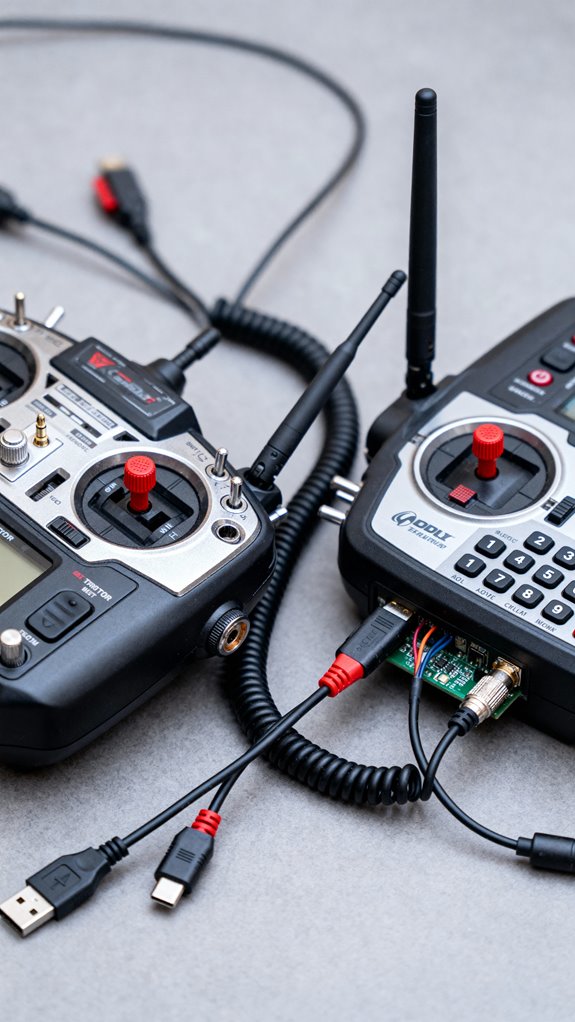
The Buddy Box System is an innovative training tool for novice R/C pilots, connecting two radio transmitters for heightened safety. It allows instructors to maintain control while students learn, promoting confidence through immediate feedback. The system consists of a master transmitter for instructors and a slave transmitter for students, typically linked via a 3.5 mm stereo trainer cable. This dual control approach minimizes mistakes during flights. Explore more details about its benefits and features for a thorough understanding of its impact.
Key Takeaways
- The Buddy Box System links two R/C transmitters, enabling instructors to control the aircraft while students learn, enhancing safety during training.
- It requires a master transmitter for the instructor and a slave transmitter for the student, with proper connection and channel mapping.
- Universal compatibility exists among major manufacturers like Spektrum, Futaba, and JR, allowing for easy inter-brand training.
- The system fosters confidence in novice pilots through immediate instructor intervention and real-time feedback during flight sessions.
- Using a Buddy Box promotes time efficiency by preventing mistakes from escalating and optimizing multi-student training management.
Definition and Purpose of the Buddy Box System
You may be interested

10 Essential Tips For Your First RC Plane Flight
October 25, 2025


Are Profile Planes Good For Learning 3D?
October 25, 2025
What Is A Buddy Box” System For Training?
Definition and Purpose of the Buddy Box System
The Buddy Box System, primarily designed for training novice R/C pilots, is an innovative approach that enhances safety and learning efficiency during the flight training process. This system links two radio transmitters, allowing an instructor to control the aircraft while the student learns, supporting their growth in a safe setting.
Key Features:
- Structure: Involves a master (instructor) and a student transmitter.
- Operation: Control transfers easily via a switch on the master transmitter.
Benefits:
- Safety: Instills confidence; instructors can quickly regain control if needed.
- Efficiency: Minimizes frustration as students learn without fear of crashing. Additionally, the system promotes personalized training experiences by allowing instructors to adjust control as needed.
The importance of validation in system development guarantees that beginner pilots feel supported and empowered throughout their training journey.
Technical Setup of Buddy Box Training
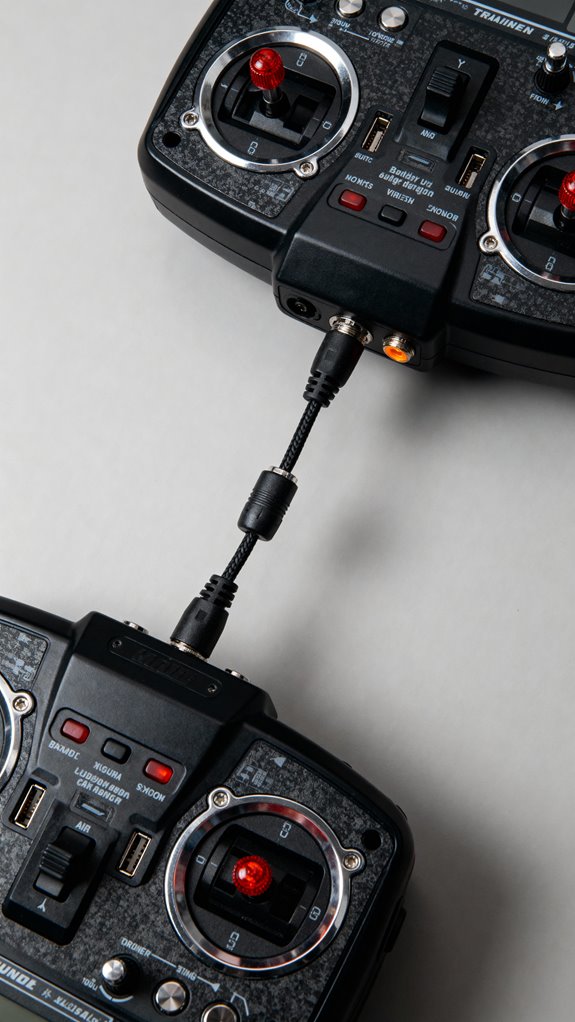
Configuring a Buddy Box Training system involves precision and attention to detail to assure a seamless learning experience for novice pilots.
Recommended Products

This cable is compatible with FlySky FS-i6 FS-i6x. Please confirm if it matches your model before purchasing.

Want to use your FlySky remote controller transmitter radio with a flight simulator? Well, you'll need the FlySky SM100 cable USB dongle
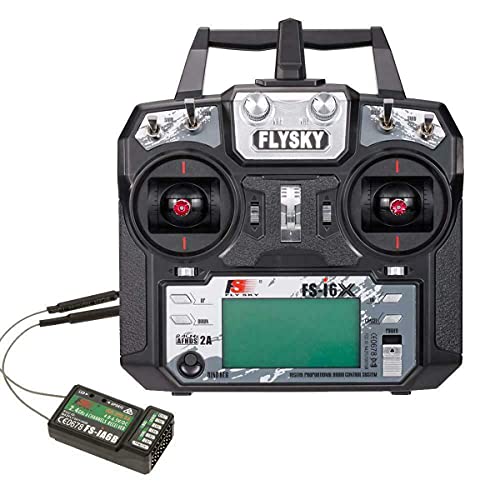
Please note: Flysky FS-i6X is default 6CH with FS-iA6B Receiver. If you have 10 channels receiver FS-iA10B, that you can open to 10 channels.
Hardware Requirements
- Two compatible RC transmitters are needed: one as “master” (instructor) and the other as “slave” (student).
- A physical connection typically uses a 3.5 mm stereo trainer cable, linking the trainer ports.
Software Configuration
- The student transmitter should be set to a basic model without complex programming.
- The instructor’s transmitter must have advanced settings and flight modes activated.
Signal Transfer
- Verify that both transmitters are powered on and bound to their models.
- Proper channel mapping is essential for effective signal transfer and operation during training, assuring safety and responsiveness throughout the session. Additionally, a natural alternative for pest control can provide insights into other areas where precise configurations are required for optimal results.
Operational Mechanics of Control Transfer

Control transfer in the Buddy Box training system plays a pivotal role in fostering a safe and effective learning environment for new pilots. This process is governed by an ergonomic switch, allowing instructors to control signal flow easily. The master transmitter serves as the primary control source.
- Instant Control: Pulling the switch gives the student control; releasing it reverts control to the instructor immediately.
- Safety Protocols: The design guarantees quick, intuitive switching for emergencies.
Power synchronization is critical; the student transmitter functions without independent power, relying on the master via a cable. Assuring consistent control parameters, such as servo settings, prevents unexpected movements when transferring control, further enhancing safety and confidence, allowing students to learn without unnecessary distractions. Additionally, having safety features in training systems is essential to ensure a secure environment for learners.
Compatibility Among Different Manufacturers
Maneuvering compatibility among different R/C manufacturers is essential for effective training using the Buddy Box system. Brand collaboration plays a vital role, with six major manufacturers—Spektrum, Futaba, JR, Hitec, Sanwa/Airtronics, and KO Propo—supporting universal buddy boxing.
Key considerations include:
- Connector Types: Two types of DIN connectors exist; both transmitters must match for cable compatibility.
- Frequency Independence: Transmitters can work together without needing to operate on the same frequency.
- Wireless Solutions: Newer wireless systems enable cross-brand compatibility, allowing control connections without cumbersome cables.
Such training adaptability creates opportunities for collaboration among enthusiasts, enhancing their learning experiences while ensuring students safely gain skills. Always verify connector compatibility before starting to avoid any complications during training. Additionally, using customizable modes can enhance the training experience by tailoring control settings to individual needs.
Benefits of Using a Buddy Box for Training

The Buddy Box system offers a wide array of advantages for training aspiring R/C pilots.
Enhanced Safety
With immediate control transfer capabilities, instructors can swiftly prevent mishaps during student errors. This design guarantees safety and supervision throughout fragile flight phases.
Improved Learning Experience
Students enjoy hands-on experience with instant instructor feedback, which boosts confidence and skill retention. The system allows gradual control levels, leading to quicker mastery of complex maneuvers.
Increased Efficiency
A dual transmitter setup reduces downtime caused by crashes. Instructors can effectively monitor multiple students and shift seamlessly between simulator and actual flight.
Enhanced Confidence
Students feel secure knowing their instructor can regain control at any moment, while instructors can focus better on teaching. This positive environment fosters active engagement and a willingness to practice advanced training techniques, ultimately encouraging student autonomy. Additionally, consistent use of the Buddy Box system can lead to improved training outcomes, similar to the recommended frequency for light therapy devices.
Innovations in Buddy Box Technology
As advancements in technology continue to reshape the R/C training landscape, innovations in Buddy Box systems are increasingly redefining how instructors and students engage in flight training.
- Enhanced Compatibility: Modern Buddy Box systems support cross-brand connectivity, resolving incompatibility issues with cable connectors, thereby promoting flexibility.
- Adaptive Control: Configurable control transfer switches allow instructors to selectively enable specific channels for students, ensuring safer training environments.
- Integration with FPV: Coupling Buddy Boxes with FPV goggles offers real-time visual feedback, improving monitoring and enhancing training effectiveness.
- Training Enhancements: New software-driven modes allow instructors to adjust the complexity of controls available to students.
These innovations foster a more connected learning experience, encouraging growth and collaboration among R/C enthusiasts. Furthermore, the incorporation of customizable intensity levels in training tools can enhance user comfort and adaptability during practice sessions.
Wireless Buddy Box Systems
Wireless Buddy Box systems represent a significant advancement in the domain of R/C flight training, moving beyond traditional methods to offer an untethered training experience. These systems allow two transmitters to connect without cables, using specific control protocols like Spektrum DSMX. The student’s transmitter communicates wirelessly with the instructor’s master transmitter, ensuring both flexibility and safety during flight navigation.
Recommended Products

Anti-interference - Radiolink AT9S Pro&AT10II with the technology of DSSS&FHSS hybrid dual spread spectrum and T8FB&T8S with the same FHSS, not only increase the control distance and anti-interference ability but also ensures multiplayer competing at the same time and reduces mutual interference.
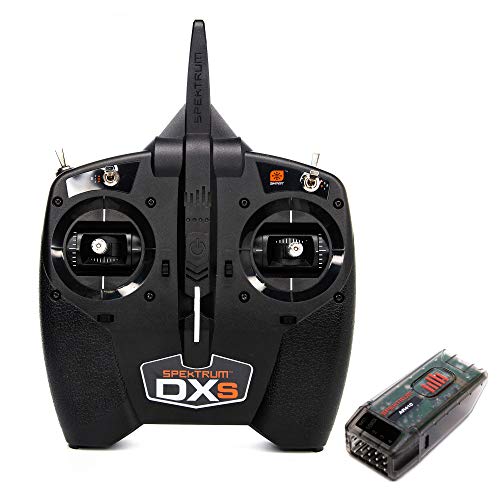
Supports Spektrum Smart Technology for Smart ESC and Smart LiPo battery telemetry

Supports Spektrum Smart Technology for Smart ESC and Smart LiPo battery telemetry
Key Features:
- Wireless Communication: Eliminates risks of damage from cable entanglements, enhancing movement freedom.
- Control Transfer: Managed via a switch, allowing the instructor immediate regaining of control if needed.
- Compatibility: Requires radios that support wireless trainer modes for seamless operation.
Advantages of Wireless Control Transfers
In today’s rapidly evolving landscape of R/C flight training, the advantages of control transfers become increasingly evident.
Enhanced Mobility
Wireless control transfers eliminate cumbersome cables, allowing for unrestricted movement during training. Trainees benefit from the ability to navigate obstacles freely, leading to improved real-time guidance.
Increased Safety
These systems incorporate advanced technologies to guarantee communication reliability, mitigating interference while enhancing safety features like automatic shutdowns.
Convenience and Efficiency
With no manual connections required, shifts between instructor and trainee roles become seamless, reducing setup time and wear on equipment.
Control Flexibility
Wireless systems support varied training scenarios by enabling simultaneous operation of multiple devices. This adaptability fosters a richer training experience, allowing for customized setups that enhance overall learning.
The Role of Compatibility in Training Effectiveness
Compatibility plays an essential role in the effectiveness of R/C flight training, influencing both the instructor’s and trainee’s experiences.
- Control Transfer: Effective compatibility guarantees that control transfer occurs smoothly, minimizing control latency. This reliability is vital for learner safety and instructor interventions.
- Technical Integration: Mixing different brands can lead to communication issues, causing technical malfunctions. Compatibility between equipment reduces frustrations and enhances focus on skill development.
- Safety Considerations: Reliable systems allow instructors to override controls instantly, preventing potential accidents. Incompatibility may lead to unsafe situations and increase the risk of crashes.
Enhancing Student Confidence Through Dual Control
How can the dual control system empower trainee pilots during their learning journey? This approach enhances confidence building through instructor support, creating a safety net during flight training. With immediate instructor intervention, trainees experience reduced anxiety, knowing their instructor can instantly reclaim control if necessary.
Key Features:
- Visible Control Transfer: The master transmitter switch visibly reassures students, fostering a sense of safety.
- Real-Time Feedback: Students benefit from hands-on experience and immediate correction, preventing overwhelming pressure.
- Incremental Responsibility: Graduated challenges allow learners to build competence progressively.
These elements work together, ensuring a supportive environment where students can practice confidently, making mistakes without life-threatening consequences. The dual control system builds not just skills, but trust in personal abilities.
Time Efficiency in Pilot Training Sessions
What factors contribute to time efficiency in pilot training sessions? The buddy box system introduces several time-saving techniques essential for optimizing training sessions.
- Reduced Flight Hours: By allowing instructors to guide flights in real-time, students need considerably fewer solo flight hours, achieving proficiency 20-30% faster.
- Minimized Downtime: Immediate instructor intervention prevents mistakes from escalating, enhancing training session flow without unnecessary interruptions.
- Optimized Instructor Resources: With the ability to manage multiple trainees simultaneously, instructors can maximize their effectiveness, further reducing overall training time.
Together, these advancements guarantee that each training hour is productive, focusing efforts on skill refinement rather than basic control familiarization. This structured approach leads to quicker course completions, lower operational costs, and a stronger sense of community among aspiring pilots.
Safety Features of Buddy Box Systems
Effective pilot training hinges not only on time efficiency but also on the safety features integrated within the buddy box system.
Redundant Control Transfer: This mechanism allows instructors to quickly assume control using a spring-loaded switch, ensuring rapid recovery from mistakes.
Flight Envelope Protection: Technologies like AS3X stabilize flight, limiting control surface deflection in beginner modes. Self-leveling features help the plane return to level flight, enhancing safety.
Physical Safety Practices: Training often occurs in controlled environments with safety protocols, ensuring physical distances from hazards. A defined “safe zone” reduces collision risks.
Compatibility Safeguards: Adhering to universal DIN connector types prevents unsafe setups. Together, these safety features provide a solid foundation for a thriving learning community in R/C flight training.
Recommended Products

Compatible with Traxxas TRX-4 SCX10 90027 SCX10 90046 D90 1/10 rc crawler car or other brand rc car. Made of hard plastic,durable and light, which won't add extra burden on...
Future Trends in R/C Flight Training Systems
As advancements in technology reshape the landscape of R/C flight training, one must consider how these innovations will enhance the learning experience for both novice and experienced pilots.
AI Integration
- Expect autopilot and collision-avoidance systems to transform training by 2026.
- Autonomous navigation and real-time object recognition will increase realism.
Immersive Technology
- VR/AR-powered simulators offer 360-degree cockpit experiences, minimizing the need for physical flights.
- Augmented reality overlays support real-time understanding of controls and instruments.
Sustainability
– Electric and hybrid RC aircraft reduce carbon footprints, aligning with eco-conscious training practices.
The combination of AI and immersive technology promises a future where R/C training becomes more personalized, engaging, and accessible, fostering a community of skilled and environmentally aware pilots.
Frequently Asked Questions
Can I Use a Buddy Box With Different R/C Aircraft Models?
Using a buddy box with varied R/C aircraft models is indeed possible, but compatibility considerations must be addressed for different model types. Careful configuration and adjustments guarantee effective training and safety, fostering a sense of belonging in the hobby.
How Long Does Setup Typically Take for a Buddy Box System?
Setup duration for a buddy box system typically ranges from 5 to 20 minutes, depending on system complexity and user experience. Novices may require additional time, while experienced users usually complete it more swiftly.
What Is the Average Cost of a Buddy Box System?
The average price of a buddy box system can vary dramatically, often ranging from $150 to over $600, depending on system features and brand prestige, inviting enthusiasts into an exhilarating world of aerial connection and learning.
Is There a Weight Limit for R/C Aircraft Used With Buddy Boxes?
There are no specific weight restrictions for R/C aircraft used with buddy boxes. Aircraft compatibility primarily depends on the model’s design and recommended limits, ensuring safe operation and a positive experience for both instructors and students.
Can Beginners Learn Aerobatic Maneuvers Using a Buddy Box System?
Absolutely, beginners can learn aerobatic maneuvers using a buddy box system, ironically boosting their confidence while ensuring safety. This paradoxical embrace of risk and support transforms apprehension into exhilaration, uniting new pilots in their shared journey.