As an Amazon Associate, we earn from qualifying purchases. Some links on this site are affiliate links at no extra cost to you. Our recommendations are based on thorough research and editorial judgment.

How To Fly A Coordinated Turn

Flying a coordinated turn involves understanding key principles and employing essential control inputs. First, use the turn coordinator instrument for real-time feedback on turn rate and roll. Apply aileron to adjust the bank angle, rudder to counter adverse yaw, and elevator to manage altitude. Timing of control inputs is vital. Avoid common errors like improper rudder use and fixation on visual references. Mastering these techniques leads to smooth, safe turns, enhancing your overall flying experience. More insights await.
Key Takeaways
- Begin by visually clearing the area to ensure safety before performing a coordinated turn.
- Utilize ailerons to control the bank angle while applying rudder to counteract adverse yaw.
- Maintain steady elevator pressure to compensate for altitude variations during the turn.
- Monitor the turn coordinator to maintain a standard rate of turn and verify coordination.
- Adjust rudder pressure smoothly during roll-in and rollout for seamless entry and exit from the turn.
Understanding the Principles of Coordinated Turns
You may be interested


Understanding the principles of coordinated turns is essential for every pilot aiming to improve flight safety and efficiency. A coordinated turn guarantees that the aircraft maintains lateral stability while executing a turn. This involves balancing the vertical lift against weight and utilizing coordinated yaw to eliminate side slip.
Key points to remember include:
- As bank angle increases, horizontal lift also rises, requiring careful back elevator pressure.
- Coordinated turns effectively eliminate net side forces, preventing unwanted lateral acceleration.
- Adequate rudder input during turns counters adverse yaw, keeping the plane aligned with its path. Additionally, understanding the importance of safety mechanisms in various applications can enhance overall operational effectiveness.
The Role of the Turn Coordinator Instrument

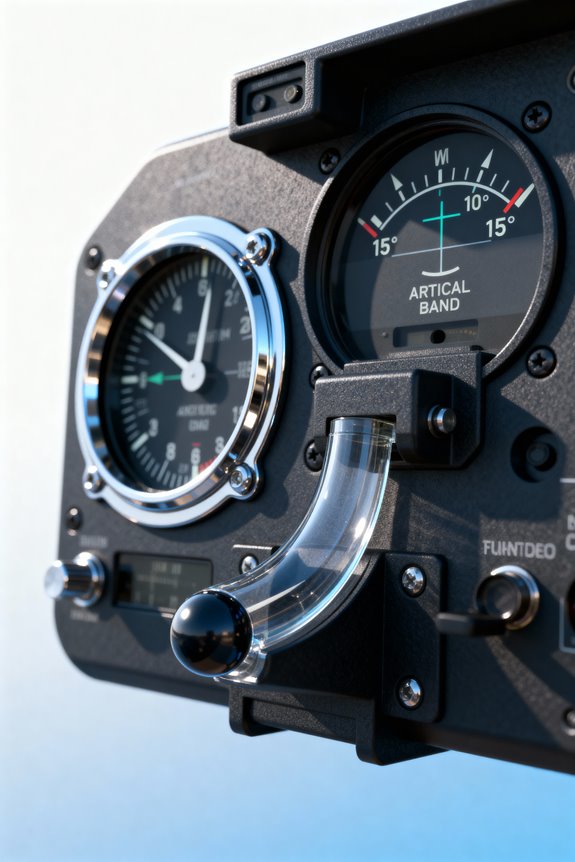
The Turn Coordinator Instrument plays a vital role in guaranteeing that pilots execute coordinated turns safely and effectively. This essential instrument features a gyroscopic mechanism that provides real-time feedback on rate of turn and roll. It indicates uncoordinated flight conditions, such as slipping or skidding, with a miniature airplane symbol and an inclinometer that signals required rudder inputs.
Key benefits include:
- Enhanced Safety: Helps avoid unsafe turns that affect performance and comfort.
- Performance Tracking: Assists in maintaining a standard-rate turn, essential for flight procedures.
- Versatility: Functions as a vital aid during Instrument Flight Rules (IFR) operations and partial panel scenarios.
Pilots rely on the turn coordinator to guarantee accurate turn execution, especially in non-visual conditions. Additionally, the instrument’s function is crucial for ensuring effective and safe use of the aircraft’s control surfaces during maneuvers.
Essential Control Inputs for Coordinated Turns

Executing a coordinated turn requires precise control inputs that harmonize the aircraft’s flight dynamics.
Recommended Products

【Pre-paired, ready to use】Pre-paired and ready to use out of the box for full duplex communications.The moment you receive your CAME-NANO Action Communicator,you can effortlessly engage in seamless conversations without any setup or pairing hassles.Whether you're a professional needing instant communication or a family member staying connected effortlessly, the CAME-NANO's out-of-the-box usability guarantees immediate and reliable full duplex communication.
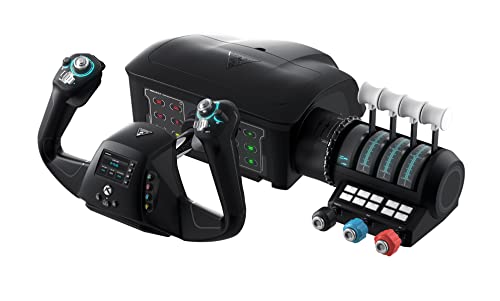
Universal, all-in-one design including throttle quadrant, trim wheel & yoke

OFFICIAL XBOX CONSOLE INTEGRATION - Access your favorite social features, switch seamlessly between your game and the console dashboard, and navigate menus effortlessly using dedicated Guide, View, and Menu buttons designed specifically for Xbox Series X|S, so you never have to reach for a separate controller during intense flight simulator sessions.
Aileron Usage
Ailerons adjust the bank angle and direct the lift vector for turns. Proper input guarantees smooth shifts, preventing excessive pressure that can lead to adverse yaw.
Rudder Application
Rudder input counters any yaw from aileron usage, keeping the nose aligned with the turn. It’s essential to apply rudder simultaneously during the roll-in and roll-out, particularly in steeper bank angles.
Elevator Management
Although not the focus, maintaining altitude requires careful elevator use to counteract weight during turns. Additionally, effective heating functionality helps relax muscles and enhance overall well-being, which is beneficial for pilots during long flights.
Visual and Instrument References During Turns

External References:
- Ground landmarks serve as crucial visual markers, aiding in maintaining a steady turn radius.
- Visual scanning between the nose and wings helps assess orientation and bank angle relative to the horizon.
Instrument Specifications:
- The turn coordinator’s miniature airplane silhouette indicates turn direction and rate.
- The inclinometer (“black ball”) signals coordination, ensuring that pilots can adjust their inputs effectively. Additionally, maintaining consistent usage of visual and instrument references is vital for achieving optimal flight performance.
The Physics Behind Coordinated Turns

Understanding the physics behind coordinated turns is crucial for pilots aiming to achieve smooth and efficient flight maneuvers.
Lift and Load Factor****
In a coordinated turn, the horizontal lift component balances the centrifugal force. As bank angles increase, more lift is needed, raising the load factor on the aircraft.
Aerodynamic Balance
The tilt of the lift vector divides into vertical and horizontal components, maintaining altitude while guaranteeing passengers feel a downward force without sliding sideways.
Rudder and Aileron Dynamics
Simultaneous use of ailerons and rudder is critical. This coordination combats adverse yaw, keeping the aircraft aligned properly during the turn. Proper safety features help ensure that pilots can manage these dynamics effectively.
These principles guarantee safety, reduce drag, and enhance overall efficiency, offering a rewarding flying experience as pilots master the art of coordinated turns.
Common Errors in Coordinated Turns
Common errors in coordinated turns can greatly impact safety and performance, making awareness of these pitfalls essential for pilots. Recognizing the following common mistakes can enhance a pilot’s flying experience:
- Failure to Clear the Area: Not visually scanning for traffic increases collision risks. Good cockpit communication with ATC is crucial.
- Improper Control Coordination: Excessive or insufficient rudder application can lead to skidding or slipping, compromising stability.
- Pitch Control Mistakes: Inconsistent pitch inputs may cause altitude variations during turns, distracting from maintaining bank angle.
- Fixation on Limited Visual References: Relying only on the airplane’s nose hinders attitude awareness, making accurate turns difficult.
- Asymmetrical Proficiency: Favoring one turning direction can create imbalances, leading to flat turns.
Additionally, pilots should prioritize understanding the importance of muscle tension relief to stay relaxed and focused during flight operations. Understanding these turning techniques improves safety and cultivates a supportive aviation community.
Correcting Skidding and Slipping Issues
Correcting skidding and slipping issues requires immediate attention to guarantee safe and efficient flight operations. Skidding occurs due to excessive rudder, pushing the aircraft outward, while slipping is caused by insufficient rudder input, pulling the aircraft inward.
Correcting Skids:
- Reduce rudder pressure in the turn direction to counteract skidding causes.
- Smoothly apply opposite rudder to bring the ball back to center.
Correcting Slips:
- Increase rudder pressure in the turn direction to prevent slipping effects.
- Decrease bank angle if needed to maintain balance.
Utilizing the turn coordinator’s ball provides critical feedback. Keeping it centered indicates a coordinated turn. Quick adjustments to rudder inputs enhance coordination, ensuring the aircraft remains stable and on course, fostering a sense of belonging among pilots committed to safety.
Recommended Products

FLY LIKE A REAL PILOT – Bring the thrill of a real airplane simulator into your home. This officially-licensed Boeing yoke and quadrant is inspired by the iconic Boeing 787 airliner (1:1 scale replica) and transforms your PC or Xbox setup into a true flight simulator cockpit. Perfect for flight sim enthusiasts and aspiring pilots alike.

Fully painted white with orange Navy RC-45J (SNB-5P) navigation and photo reconnaissance trainer trim scheme

Authentic Simulation Experience: The FMS 1500mm Maule rc airplane faithfully reproduces the low-speed handling and short take-off and landing (STOL) capabilities of the real Maule aircraft. Crafted from lightweight and durable EPO foam and equipped with functional flaps, it can take off within just three meters, providing you with a true-to-life flying experience.
Timing Your Control Inputs for Successful Turns
Successfully executing a coordinated turn hinges on mastering the timing of control inputs. A pilot must implement effective timing techniques, seamlessly synchronizing aileron and rudder inputs.
- Initial Roll-In: Start with gradual control inputs to prevent adverse yaw. Applying rudder pressure early helps align the nose with the turn direction.
- Smooth Shift: Move from straight flight to bank angle smoothly, ensuring the desired bank is achieved before significant heading changes.
- Adjustments: Manage control sensitivity with slight adjustments for residual aileron pressure after achieving the bank.
Early and gradual inputs lead to a consistent, stable turn profile, reducing the need for corrections later on. This approach fosters confidence in flying, promoting a sense of belonging within the aviation community.
Maintaining Coordination During Roll-in and Rollout
Maintaining coordination during roll-in and rollout is essential for guaranteeing a smooth changeover in flight. Pilots achieve this by employing effective roll-in techniques. To counteract adverse yaw, simultaneous aileron and rudder inputs are necessary. The rudder should be applied firmly as the roll initiates, with the pressure increasing with the bank angle.
During rollout, the same principle applies. Pilots should use left aileron and left rudder together when altering out of a right turn. A gradual reduction of the bank angle, combined with careful rudder application, guarantees seamless coordination.
Additionally, using flight instruments like the inclinometer can help verify that the aircraft remains in coordinated flight, contributing to a more comfortable flying experience and improved performance overall.
Frequently Asked Questions
What Are the Benefits of Coordinated Turns?
Coordinated turns revolutionize flight by enhancing safety improvements and crew comfort. They guarantee balanced aerodynamics, reduce drag, and create a serene experience, thereby forging connections among passengers and pilots while elevating the joy of flying together.
How Do Environmental Conditions Affect Coordinated Turns?
Environmental conditions greatly affect coordinated turns; turbulence effects can destabilize aircraft control, while wind resistance impacts lift and maneuverability. Pilots must recognize these factors to guarantee safe and precise handling during varying atmospheric situations.
Can Autopilots Perform Coordinated Turns Effectively?
Autopilots can effectively perform coordinated turns by utilizing precise autopilot settings to enhance turn performance. This technology reduces pilot workload, ensuring smoother flight and improving overall safety while providing a more comfortable experience for passengers.
What Is the Difference Between Coordinated and Uncoordinated Turns?
Coordinated turns glide smoothly, while uncoordinated effects jolt passengers with dissonant turn dynamics. This harmony fosters comfort and confidence, but imbalance provokes discomfort, a stark reminder of the bond between pilot and aircraft in flight.
How Does a Coordinated Turn Impact Fuel Efficiency?
A coordinated turn considerably enhances fuel consumption efficiency by optimizing flight performance. This alignment reduces drag and maintains smooth airflow, ultimately leading to less engine power required and improved fuel economy, benefiting both pilots and the environment.