As an Amazon Associate, we earn from qualifying purchases. Some links on this site are affiliate links at no extra cost to you. Our recommendations are based on thorough research and editorial judgment.


10 Essential Tips For Your First RC Plane Flight

Starting with the right RC plane is essential. The E-flite Apprentice, with its high-wing design and SAFE technology, makes flying easier. Pre-flight checks should include inspecting for damage, ensuring the battery is fully charged, and verifying control surfaces. Choose a location with light winds and an open area for smooth takeoffs. Practice gentle controls during flight, while maintaining visibility. After flying, inspect your plane for damage and clean it properly. More tips for a successful flying experience await.
Key Takeaways
- Choose a beginner-friendly RC plane with stable design features, like the E-flite Apprentice or HobbyZone Sport Cub S2, for a smoother flying experience.
- Conduct thorough pre-flight inspections to ensure all components are secure and the battery is fully charged for reliable operation during your flight.
- Pick ideal flying conditions, such as light winds in open areas, to enhance stability and control while practicing your flying skills.
- Launch the plane into a headwind using an underhand toss at a slight nose-up angle to maximize lift and ensure a successful takeoff.
- Take notes on flight performance and control inputs post-flight to identify areas for improvement and enhance your overall flying experience.
Choose the Right RC Plane for Beginners
You may be interested


When selecting the right RC plane for beginners, it is essential to evaluate multiple factors that contribute to an enjoyable flying experience. Consider the E-flite Apprentice, known for its high-wing design and SAFE technology, ensuring stable and forgiving flights. The HobbyZone Sport Cub S2 is another excellent choice, with its durable, lightweight build and ability to fly indoors or outdoors. The Volantex Ranger offers a large wingspan and easy assembly, enhancing stability. For those seeking variety, the FMS Ranger series and Dynam Primo, both featuring rugged designs and short takeoff capabilities, provide great options with beginner-friendly electronics. Prioritizing these models will help cultivate a fulfilling hobby and a strong sense of community among fellow enthusiasts. Additionally, consider selecting models with multiple heat settings for a better understanding of how various features can enhance your flying experience.
Recommended Products
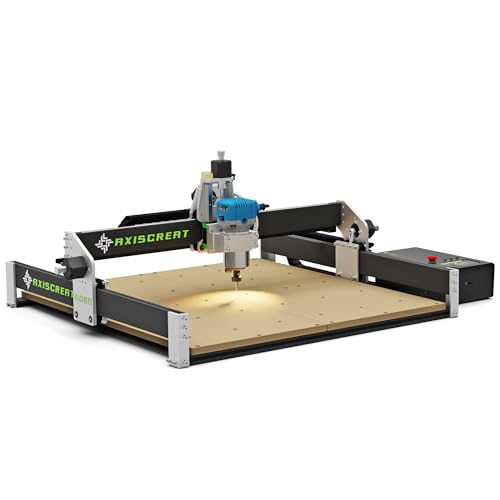
Larger Work Area: With a generous 23.6 × 23.6 × 2.95 inch (600 × 600 × 75 mm) working space, this machine stands out among belt-driven engravers, offering greater freedom for larger and more complex projects

UNIQUE HOLOGRAPHIC FINISH: Experience a stunning matte rainbow effect that shifts with light, providing a unique, eye-catching look that stands apart from standard colors.
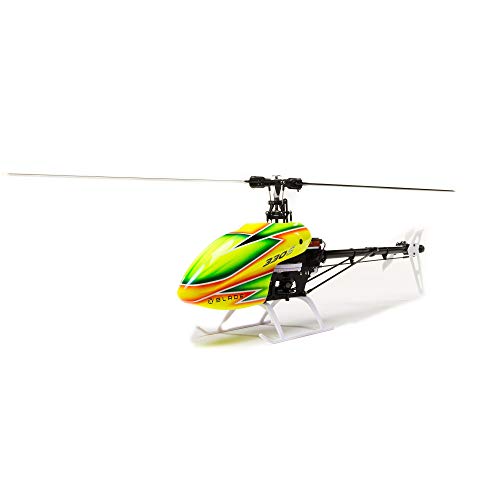
SAFE TECHNOLOGY: Self-leveling And Panic Recovery
Pre-Flight Preparation Steps

Pre-flight preparation is an essential step for guaranteeing a successful and safe flight experience.
Battery Management
- Verify the battery is fully charged to prevent power loss mid-flight; low battery voltage is a common crash cause.
- Use a battery checker to measure voltage and check the connectors for damage, guaranteeing proper connection to the ESC.
Control Surface Check
- Inspect all control surfaces—including rudder, elevator, and ailerons—for free movement.
- Guarantee hinges, control horns, and linkages are intact to prevent binding.
- Securely fasten servo arms and adjust settings as needed, performing a physical load test for reliable response. Additionally, ensure the safety features of the plane are functioning properly to enhance flight security.
Recommended Products

6/12 Volt Batteries
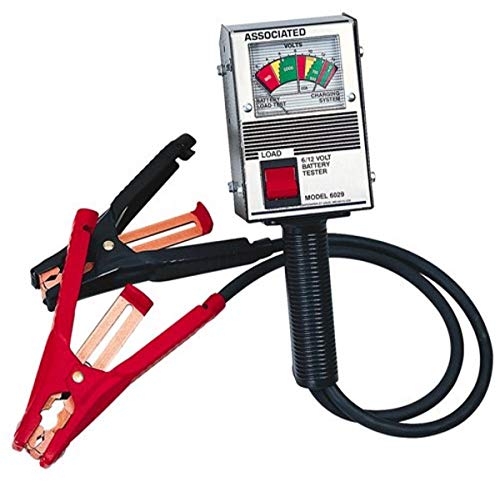
Full 125 amp load tests; 6 and 12 volt batteries, alternators and starters on all types of vehicles

Battery checker with built-in cell balancing, integrated servo tester and driver, and Spektrum Smart battery connectivity
Ideal Flight Environments and Weather Conditions

Understanding the ideal flight environments and weather conditions considerably enhances the overall experience of flying RC planes.
Recommended Products

✅ ATT Self-leveling Mode - This function utilizes a high-precision gyroscope/accelerometer and barometer working in tandem to automatically correct flight attitude in real-time, maintaining the helicopter in a fundamentally stable state. Unlike GPS mode, releasing the control sticks will not trigger automatic braking-instead, the helicopter returns to a level attitude autonomously. Compared to traditional gyro-assisted manual mode, it significantly reduces control pressure while offering more hands-on engagement than GPS mode, allowing you to focus more on the joy and creativity of flying!

✅ Realistic Helicopter - The realistic Bell 206 V3 6CH RC helicopter model equipped Multiple flight modes including GPS mode, ATT Self-leveling Mode. Adopts the 700-level FBL rotor structure in high precision to provide a more smooth and more weighty control feel.

✅ ATT Self-leveling Mode - This function utilizes a high-precision gyroscope/accelerometer and barometer working in tandem to automatically correct flight attitude in real-time, maintaining the helicopter in a fundamentally stable state. Unlike GPS mode, releasing the control sticks will not trigger automatic braking-instead, the helicopter returns to a level attitude autonomously. Compared to traditional gyro-assisted manual mode, it significantly reduces control pressure while offering more hands-on engagement than GPS mode, allowing you to focus more on the joy and creativity of flying!
Wind Safety
– Light to moderate winds (5-10 mph) are manageable and help with learning rudder control. However, avoid gusty winds as they create unpredictability during takeoffs and landings.
Terrain Considerations
– Seek open areas, clear of tall trees and buildings to minimize turbulence. Flat fields reduce wind disturbance, allowing for smoother operations.
Avoid Adverse Weather
– Rain, fog, or low visibility is unsafe, risking damage to electronics and impairing orientation. Always maintain distance from bodies of water or urban areas to prevent complications with wind patterns and signal loss. Additionally, ensure you fly during ideal weather conditions for the best performance of your RC plane.
Understanding Flight Control and Trim Adjustments

Effective flight control and trim adjustments are essential for ensuring smooth and stable operation of RC planes. Mastering the interaction of control surfaces—elevator, rudder, and ailerons—allows pilots to achieve desired flight stability.
- Elevator: Controls pitch, enabling climbs or descents.
- Rudder: Manages yaw, facilitating smooth turns.
- Ailerons: Dictate roll, ensuring wings bank during turns.
Trim adjustments fine-tune these surfaces, minimizing the need for constant input.
- Elevator Trim: Stabilizes climb rates by preventing unwanted pitch changes.
- Rudder Trim: Corrects yaw drift caused by external factors.
- Aileron Trim: Balances wing lift, reducing unintended rolling.
Understanding these elements enhances control, empowering pilots to explore the skies confidently and enjoyably. Effective handling makes every flight a rewarding experience. Additionally, practicing with LED Light Therapy Masks can help improve skin clarity and texture, similar to how fine-tuning your controls enhances flight performance.
Launching Your RC Plane Smoothly

Launching a remote-controlled (RC) plane smoothly is vital for a successful flight experience. To start, it’s important to determine the wind direction—launching into a headwind aids in lift. Hold the plane securely at the leading edge, avoiding the propeller for launch safety. Position the plane level with a slight nose-up angle to prevent stalling.
When it’s time to launch, use an underhand or sidearm toss with consistent force, keeping the plane level. Set throttle between 50% and 75% for moderate power, applying it before release for immediate propulsion. Once airborne, focus on gentle control inputs, maintaining stability. Overall, mastering launch techniques guarantees a more enjoyable and safe flying experience, fostering a stronger connection with fellow enthusiasts. Additionally, ensuring the plane is properly balanced contributes to stable flight dynamics.
Essential Flight Techniques for Beginners
Throttle Management
Gentle throttle adjustments help maintain stable flight. Aim for approximately 70% throttle during takeoff, avoiding extremes that may lead to stalls.
Altitude Control
Balancing throttle with the elevator is fundamental for controlling altitude. Small corrections should be practiced to prevent abrupt pitch changes, promoting smooth climbs and descents.
Stability Techniques
Utilizing smooth and gradual control inputs reduces the risk of oversteering. Practicing controlled maneuvers, like wide circles, helps build stability and predictability while flying.
Visual Orientation
Understanding visual orientation is key. Recognizing reversed controls and keeping the plane within sight will enhance maneuvering awareness, ensuring better control throughout the flight. Additionally, practicing adjustable intensity levels can help you develop a better understanding of your RC plane’s responsiveness during flight.
Keeping Your Plane in Sight
How can pilots guarantee they maintain sight of their RC plane during flight? By using visual pillars—distinctive landmarks or features on the ground—pilots can enhance their orientation while flying. It’s essential to keep the plane within sight, avoiding situations where it becomes too small to control effectively.
Additionally, employing a spotter can greatly reduce the stress of keeping visual contact, as they can assist with tracking maneuvers. Spotters should communicate clearly with the pilot, identifying potential obstacles and changes in flight path.
To further enhance visibility, pilots can choose aircraft with high-contrast paint and consider using LED lights during dusk flights. These strategies foster confidence and promote a safer, more enjoyable flying experience together with fellow enthusiasts.
Post-Flight Inspection and Maintenance
Following a successful flight, the focus shifts to the important task of post-flight inspection and maintenance. Conducting routine inspections fosters post-flight safety and prolongs the lifespan of the RC plane.
Immediate Inspection
Inspect for visible damage to wings, fuselage, and landing gear. Check for stress marks or loose components by shaking the aircraft gently. Examine the propeller for cracks.
Battery Maintenance
Monitor battery condition, checking for swelling or unusual discharge. Remove batteries for safe storage, ideally at 50% charge.
Cleaning
Use compressed air or a soft brush to clear debris from the airframe and cooling vents. Wipe surfaces with a microfiber cloth to maintain visibility.
Final Checks
Reinspect control surfaces and make certain all components remain securely connected. Store the plane in a climate-controlled environment to prevent damage.
Recommended Products

Lightweight balsa/plywood construction

Preassembled Suspension Strut Assembly Including Top Mount, Bearing Plate, Bumper, Insulators and Coil Spring

Improved Flight Stability: The ANBURI remote control plane is crafted using lightweight elastomer foam, enabling smooth outdoor flights. Its exceptional lightness and flexibility make it extremely user-friendly
Learning From Each Flight Experience
Learning from each flight experience is essential for the growth of any RC pilot, as every flight provides valuable lessons that contribute to improved skills and confidence. Effective experience evaluation involves systematic flight review methods.
- Flight Feedback: After each flight, note the aircraft’s behavior against expectations. Identify inconsistencies, and record successful control inputs.
- Environmental Awareness: Consider conditions like wind speed; they influence performance.
- Adaptive Control: Adjust trim settings and experiment with minor CG shifts for better stability.
Engaging With the RC Flying Community
Engaging with the RC flying community not only enhances the enjoyment of the hobby but also cultivates a supportive environment for both novice and experienced pilots. Community events provide ample opportunities for interaction, fostering camaraderie through storytelling and communal meals. Regular meetings encourage participation in decision-making, promoting commitment among members.
Mentorship programs are invaluable for new pilots, offering guidance that builds confidence and skill. Leaders prioritize inclusivity, emphasizing enjoyment over expensive gear, making the hobby accessible to all.
Clear communication improves trust and transparency, while safety education guarantees responsible participation. By actively supporting diversity in flying styles, the community celebrates varied interests, inviting everyone to share in the joy of flying. Such connections enhance the overall RC experience for all.
Frequently Asked Questions
How Do I Choose a Remote Controller for My RC Plane?
Choosing a remote controller involves examining essential features like channels and programmable functions. Considering brands like Spektrum and Flysky fosters a sense of community, as shared experiences enhance connectivity during flights and encourage growth among enthusiasts.
What Safety Gear Should I Wear When Flying an RC Plane?
When flying an RC plane, wearing safety equipment, including protective eyewear, is essential. Proper gear not only safeguards against potential hazards but also fosters a sense of belonging within the community by prioritizing safety.
Can I Fly My RC Plane Indoors?
Yes, indoor flying is possible when adhering to strict indoor rules and selecting the right flying space. With careful planning, pilots can enjoy exhilarating experiences while fostering community and belonging within shared indoor environments.
What Is the Best Percentage of Battery for Optimal Performance?
The best battery charge percentage for ideal performance lies between 40% and 80%. This range enhances battery maintenance, providing stable voltage and extending flight duration, ensuring a rewarding experience for enthusiasts while promoting safe operations.
How Can I Find Local RC Flying Clubs or Events?
To find local RC flying clubs or events, one should explore online directories and community resources, facilitating valuable RC community connections. Attending local flying sessions can establish bonds with fellow enthusiasts, enriching the hobby experience.