As an Amazon Associate, we earn from qualifying purchases. Some links on this site are affiliate links at no extra cost to you. Our recommendations are based on thorough research and editorial judgment.

Is A High-Wing Plane Easier To Fly?

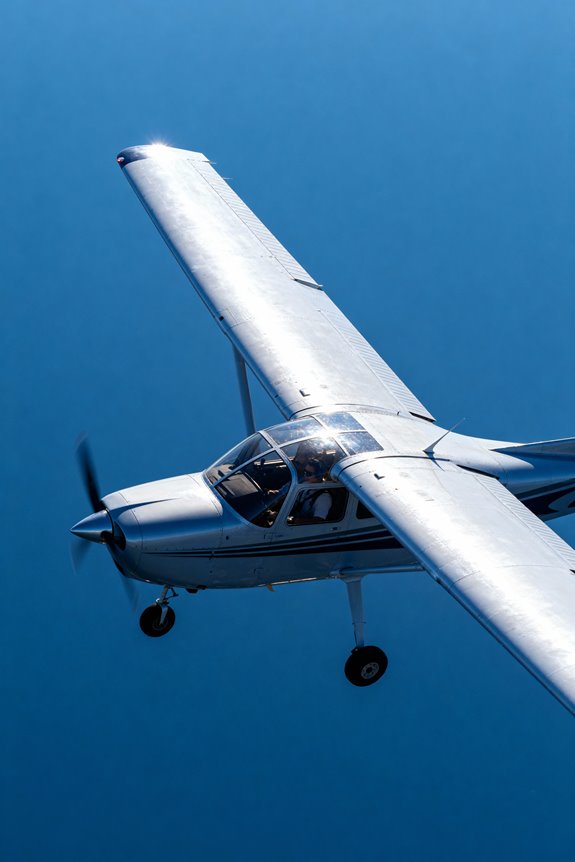
High-wing aircraft are generally easier to fly than their low-wing counterparts. Their center of gravity sits below the wings, leading to enhanced stability and predictable handling. This design reduces pilot workload, especially during critical phases like takeoff and landing. High-wing planes also offer improved visibility, helping pilots maintain better situational awareness. This combination of stability, gentle control responses, and enhanced ground visibility is particularly beneficial for novice pilots. There’s more to discover about the unique advantages of high-wing designs.
Key Takeaways
- High-wing aircraft offer superior lateral stability, making them easier for pilots to maintain level flight.
- They provide unobstructed downward visibility, enhancing ground navigation and situational awareness for novice pilots.
- The self-righting tendencies of high-wing planes reduce the risk of spiraling during instrument flight, simplifying pilot control.
- Gentle responses to control inputs in high-wing designs make them more forgiving for inexperienced pilots.
- Elevated wings improve stability during taxiing, minimizing risks of accidents and boosting confidence for learners.
Stability and Handling Characteristics of High-Wing Aircraft
You may be interested
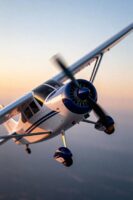

The stability and handling characteristics of high-wing aircraft make them a popular choice among pilots, especially those who prioritize ease of operation. The unique design features a center of gravity positioned below the wings, creating a pendulum effect that enhances lateral stability. This self-righting tendency aids in reducing the risk of spirals during instrument flight, making flying safer and less taxing on pilots.
Additionally, dihedral stability works synergistically with high-wing configurations. When rolling, lower wings gain increased lift through differential forces, smoothing the return to level flight. These characteristics, while boosting overall flight stability, can lead to heavier aileron response during maneuvers. Nonetheless, for many pilots, the predictable handling of high-wing aircraft fosters confidence and encourages a more enjoyable flying experience. Furthermore, the ergonomic design of high-wing aircraft contributes to pilot comfort and control during flight.
Visibility and Situational Awareness in Flight

High-wing aircraft offer significant advantages in visibility and situational awareness, contributing to a safer flying experience.
Ground Visibility
- Elevated wings enhance the downward view, improving ground visibility, especially during takeoff and landing.
- Larger windows allow for a panoramic perspective, making it easier to spot navigational landmarks and obstacles.
Obstacle Awareness
- High-wing designs provide better visibility of obstacles near the airport, allowing for precise ground navigation.
- Enhanced awareness of weather conditions and other air traffic during flight phases further improves overall safety. Additionally, having customizable heat levels in certain 3-in-1 back massagers can provide targeted relief after a long day of flying.
These features make high-wing aircraft highly regarded, particularly for training, surveying, and patrol tasks. The unobstructed views promote a stable visual frame of reference, essential for novice pilots honing their skills while building confidence in their situational awareness.
Aerodynamic Performance Comparisons

Aerodynamic performance plays a pivotal role in understanding the differences between high-wing and low-wing aircraft.
- Drag Characteristics: High-wing aircraft often face higher profile drag due to structural complexities, such as wing struts and landing gear attachments. In contrast, low-wing planes benefit from lower profile and interference drag, achieving greater aerodynamic efficiency and better fuel usage.
- Overall Design: While low-wing configurations generally enhance cruise performance, it is crucial to note that the entire aircraft design impacts real-world efficiency more than wing position alone.
- Nuanced Benefits: Some insights suggest high-wing designs may experience lower interference drag under specific conditions. Understanding these aerodynamic characteristics helps pilots make informed choices, aligning their preferences with aircraft performance for enhanced flying experiences. Moreover, the choice of aircraft can also impact overall user comfort, as certain designs may facilitate ease of operation and accessibility for pilots.
Takeoff and Landing Dynamics

Takeoff and landing dynamics are critical phases of flight where the design of the aircraft greatly influences performance and safety.
Ground Effect
- Low-wing aircraft benefit from ground effect, experiencing it sooner and for longer durations, translating to shorter ground rolls and easier obstacle clearance.
- Conversely, high-wing aircraft have less notable ground effect, often resulting in longer ground rolls during takeoff.
Stall Characteristics
- High-wing designs tend to exhibit stronger stall characteristics, with noticeable pre-stall buffer sensations enhancing pilot awareness during approach.
- Low-wing aircraft provide smoother stall handling but may introduce unpredictability when flying slowly, necessitating careful control during landings.
These design features underline the varied dynamics of takeoff and landing, fundamentally shaping the pilot’s experience in each aircraft type. Additionally, understanding stall characteristics can help pilots better navigate these critical phases of flight.
Advantages for Training and Pilot Development

In many flight training programs, high-wing aircraft are frequently chosen for their numerous advantages in developing new pilots. These aircraft provide inherent stability, easing the pilot workload during flight, which enhances pilot confidence.
Advantages in Training Environments:
- Stability and Handling: High-wing designs offer gentle responses to control inputs, making them forgiving for novices. This helps students focus on core maneuvers.
- Visibility: With unobstructed downward views, high-wing planes improve situational awareness, essential for navigation and traffic avoidance.
- Ground Operations: Their elevated wings offer excellent stability during taxiing, reducing the risk of accidents and enhancing comfort.
These features collectively foster a sense of belonging within aviation, empowering trainees and supporting their journey into advanced flying. Ultimately, high-wing aircraft are fundamental in nurturing skilled, confident pilots. Additionally, the emphasis on safety features in aircraft design ensures that new pilots can develop their skills in a secure environment.
Frequently Asked Questions
Do High-Wing Planes Require Specific Pilot Certifications?
High-wing planes don’t require specific pilot certifications; their training focuses on broader aviation skills. While high wing advantages enhance visibility and stability, pilot training emphasizes the overall aircraft performance rather than wing configuration alone.
How Does a High-Wing Design Affect Weather Handling?
A high-wing design enhances weather stability, aiding in managing turbulence and gusts. However, increased wing loading can challenge pilots during crosswinds, necessitating careful handling approaches to maintain control and guarantee safe operations in adverse weather conditions.
Are High-Wing Planes More Prone to Turbulence?
High-wing planes are indeed more prone to turbulence effects, often leading to increased passenger discomfort. While they offer stability in flight, the trade-off manifests in a heightened sensitivity to gusts during critical phases of operation.
What Are the Maintenance Costs for High-Wing Aircraft?
Maintenance costs for high-wing aircraft typically include expenses related to maintenance schedules and repair costs, considerably influenced by aging components and operational conditions, which collectively drive up overall upkeep expenditures throughout the aircraft’s lifecycle.
Can High-Wing Planes Accommodate More Cargo Than Low-Wing Versions?
High-wing planes excel in cargo capacity and design efficiency, often providing more usable interior volume due to their structural configuration. This combination attracts operators seeking versatile solutions for transporting substantial and varied cargo sizes effectively.