As an Amazon Associate, we earn from qualifying purchases. Some links on this site are affiliate links at no extra cost to you. Our recommendations are based on thorough research and editorial judgment.


RC Airplane FAQs: How Long Does It Take To Learn To Fly?

To learn to fly an RC airplane, beginners typically require 8 to 12 hours of dual instruction with an instructor. Additionally, around 50 practice flights are necessary for proficiency. Many achieve solo status within 4 to 6 days by dedicating 2 hours daily to practice. Mastery of takeoff and landing techniques is essential, along with consistent practice to foster confidence. Simulators aid in training, providing a risk-free environment. For those keen to excel, more insights await ahead.
Key Takeaways
- Beginners typically require 8 to 12 hours of dual instruction before feeling ready to fly solo.
- Achieving proficiency usually involves 50 flights of about 10 minutes each for practice.
- Solo status can be attained within 4 to 6 days with consistent daily training.
- Using flight simulators can significantly accelerate learning and reduce the required training hours.
- Regular practice is essential to prevent skill decay, with two to three sessions per week being optimal.
Training Duration for Beginners
You may be interested

When beginning their journey into the world of RC flying, many newcomers wonder about the time it takes to achieve solo flying proficiency. Typically, achieving flight readiness requires about 8 to 12 hours of dual instruction, translating to approximately 50 flights of about 10 minutes each. Most beginners can qualify for solo status within 4 to 6 days, assuming they practice for 2 hours daily. Instructional methods play a crucial role in this progress, with simulators providing a risk-free environment that accelerates learning. At the same time, practicing key maneuvers—like level flight and take-offs—builds essential skills. This combination of focused practice and supportive environments fosters confidence, inviting new pilots into the vibrant RC flying community. Additionally, consistent practice is crucial for achieving optimal results over time, similar to how consistent usage enhances the effectiveness of red light therapy devices.
Recommended Products

Unique and optimized airframe design improves low speed handling and slow speed performance, making it possible to learn to fly radio-controlled (RC) airplanes successfully with a jet

Works with popular Windows PC flight simulators: X-Plane11, X-Plane12, Microsoft’s FS2020/FS2024.

Official Trainer of the Academy of Model Aeronautics (AMA) and many clubs worldwide
Optimal Instruction Frequency

Ideal instruction frequency is an important factor in mastering RC flying skills effectively. To maintain learning momentum, it is recommended that beginners participate in two to three instruction sessions per week. This instructional balance prevents skill decay that can occur with sessions spaced too far apart. Regular practice helps students adapt to controls and flight dynamics more rapidly.
However, it’s vital to avoid overly frequent sessions that may lead to fatigue and diminished focus. Short, consistent lessons build confidence steadily, fostering an environment where students feel supported. Sticking with the same instructor for about 75% of lessons enhances communication and accelerates progress, creating a sense of belonging in the RC flying community. Furthermore, incorporating customizable intensity levels into practice sessions can help students focus on specific skills and improve their overall flying experience.
Essential Skills for New Pilots

Mastering the art of RC flying involves a variety of skills that every new pilot must develop to guarantee safe and enjoyable experiences in the air.
Essential Maneuvers
- Pilots must master takeoff and landing techniques by utilizing throttle control and rudder alignments for smooth shifts.
- Coordinated use of ailerons, elevator, and rudder is vital for executing turns and maintaining stability.
Developing Spatial Awareness
- Understanding an aircraft’s position requires keen spatial awareness.
- New pilots should practice varied flight distances and directions to enhance their ability to visualize flight paths. Additionally, consistent practice of basic maneuvers contributes to effective pain relief for muscle recovery, similar to how athletes utilize massage guns for relaxation after exercise.
Together, these skills create a solid foundation. Consistency in basic maneuvers like gentle climbs and turns fosters confidence, making pilots feel part of a supportive flying community, enthusiastic to explore new heights in their hobby.
Recommended Products

The easiest to buy, assemble and fly flat foamy model yet – capable of slow cruising, sport flying, basic and all-out 3D aerobatics

SUITABLE FOR BEGINNERS AND EXPERTS: equipped with Xpilot gyro stabilizer system, with 3 level flight control assist (Beginner level with full assist/ Intermediate with partial assist/ Expert for manual control) , this rc planes is ideal for pilots of all levels. Beginners can gradually gain confidence, while experts can show off their skills right out of the gate
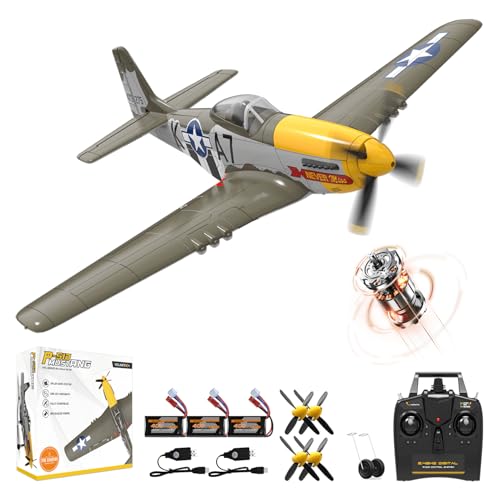
Upgraded Brushless Motor with More Refined Design Details: Compared to the previous P-51D RC plane,the new version features a high-performance brushless motor,delivering enhanced power and efficiency. The receiver board is now equipped with an SBUS interface (allowing external connectivity to your Futaba transmitter).Additional upgrades include a spring-loaded landing gear,a rear-wheel steering clutch,and a maintenance port. Visually,enhanced detailing elements—such as simulated instrument panel,3D pilot figure and propeller—have been incorporated to provide a more authentic flying experience
The Role of Simulators in Training
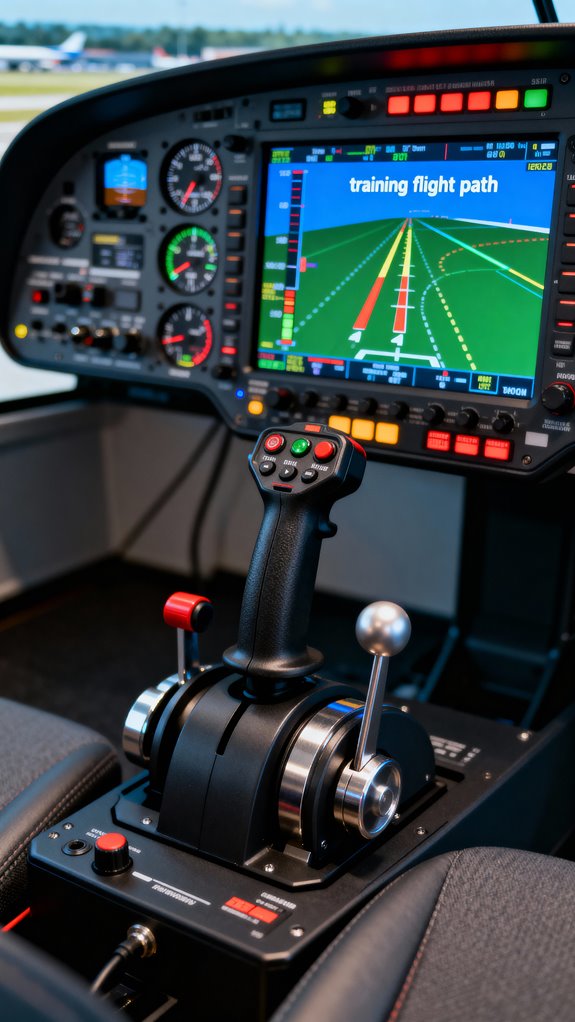
Simulators revolutionize training for aspiring RC pilots by providing a safe, cost-effective environment in which to practice essential flying skills. The simulator benefits include drastically reducing the hours needed for proficiency. Trainees often improve faster with simulator training, especially when feedback is incorporated. Additionally, this method allows users to experience non-invasive solutions that parallel real-time flying conditions without the risk of damaging equipment.
Key Features:
- Safety: Practice complex maneuvers without risking lives or equipment.
- Cost-Effectiveness: Cut fuel and maintenance costs by up to 90%.
- Realistic Experience: Dynamic simulators closely mimic real aircraft performance.
Impact of Feedback:
- Real-time feedback accelerates skill acquisition, helping pilots correct mistakes early.
- Improved retention of skills translates effectively to actual flights.
Incorporating simulator training fosters both community and competency among RC flying enthusiasts.
Recommended Products

Enhanced Camera for Travel Shots - Air 3S's 1" CMOS primary camera delivers breathtaking shots with enriched detail in low-light scenarios like sunsets and nightscapes.

Bundle Includes: Honeycomb Aeronautical Charlie Rudder Pedals, Bravo Throttle Quadrant, and Alpha Flight Controls Yoke and Switch Panel
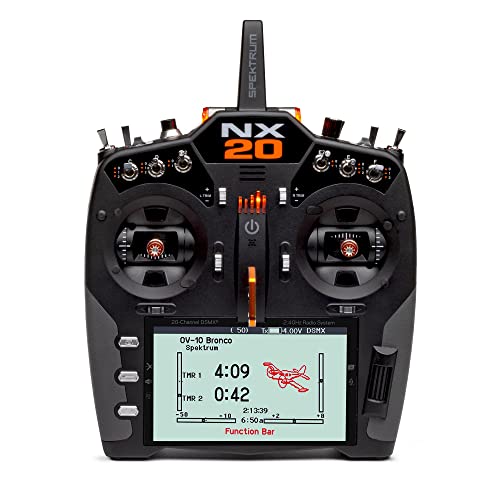
Backlit 5”, 800x480 display screen with multiple color palette choices and user customizable colors
Key Takeoff Techniques

Takeoff Alignment
Positioning the plane on the runway centerline is vital. Using landmarks or counting helps maintain consistent alignment during the takeoff roll. Takeoff into the wind enhances control and lift.
Rudder Control
Implementing rudder inputs early is key for preventing ground loops. Maintain constant minor corrections to keep the aircraft tracking straight. Avoid drifting off centerline to reduce ground accident risks.
Throttle and Elevator****
Apply throttle smoothly and maintain back pressure on the elevator to aid lift-off. Increase throttle progressively, moving seamlessly from ground roll to flight. These coordinated actions foster confidence and competence as learners progress. Additionally, practicing consistent techniques can lead to improved visible results in flight skills over time.
Recommended Products
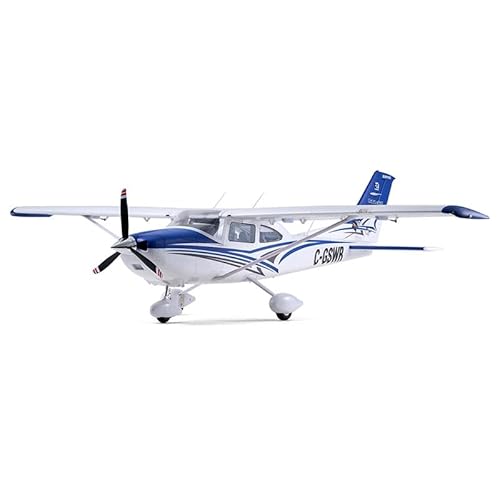
Faithfully Reproduced Scale Details Experience the authentic look and feel of the 1500mm Cessna 182. Every scale feature, from the iconic airframe silhouette to the meticulously crafted cockpit details, has been faithfully reproduced to provide aviation enthusiasts with a stunningly realistic model for the skies.

An officially-licensed* replica of the world’s fastest and highest-flying manned aircraft that offers a flying experience unlike any other model
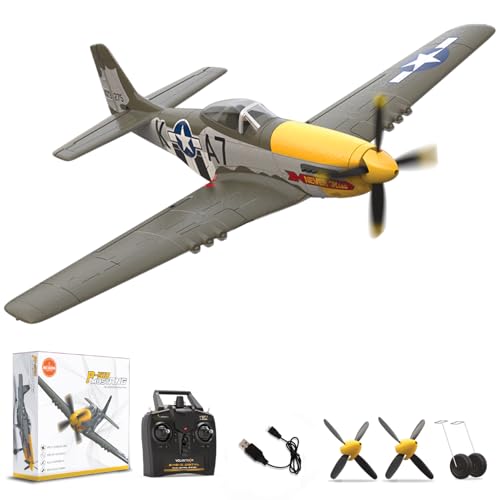
Perfect for All Skill Levels: Featuring the advanced Xpilot gyro stabilizer system and three levels of flight control assistance, this RC plane caters to both beginners and experts. Whether you're just starting out (with full assist for an easy, stable flight), progressing to intermediate skills (with partial assist for more control), or a seasoned pro (with full manual control for ultimate freedom), this plane ensures an exciting experience at every stage. Perfect for building confidence, mastering new skills, or showcasing your expertise from the start!
Milestones for Solo Certification
Achieving solo certification in RC aviation is a significant milestone for aspiring pilots, signifying their readiness to operate independently. This certification process typically involves completing rigorous solo flight requirements, including knowledge assessments and flight training.
Knowledge Test:
- Must pass a test on FAA regulations and local airspace rules.
- Instructor reviews incorrect answers before solo endorsement.
Pre-Solo Training:
- Tailored instruction in flying skills, focusing on take-offs and landings.
- Utilize trainer aircraft for practice, ensuring safety and skill development.
Structured Flight Sessions:
- Consists of multiple flights over days, each lasting 8-10 minutes.
- Goals include safely recovering from errors and enhancing situational awareness.
Successfully achieving solo certification reveals advanced flying opportunities and strengthens a pilot’s confidence in their abilities. Additionally, many pilots find that their training experiences parallel the benefits of targeted relief for muscle pain, enhancing their overall performance and well-being.
Frequently Asked Questions
What Type of RC Airplane Is Best for Beginners?
For beginners, electric gliders and high-wing trainer models are ideal. Their stability, ease of control, and forgiving flight characteristics foster confidence, making it enjoyable for newcomers to embrace the excitement of RC flying without overwhelming challenges.
How Do Weather Conditions Affect Flying Lessons?
The weather can make or break flying lessons. Wind impact complicates control while temperature effects can hinder performance; ideal conditions foster a supportive learning environment, helping beginners navigate challenges and feel connected in their journey.
Are There Age Restrictions for Learning to Fly RC Planes?
Age limits for learning to fly RC planes vary, with many youth programs recommending starting around age 8. Maturity and interest play significant roles, encouraging a supportive environment to foster exploration and skill development.
What Safety Gear Should I Use While Flying?
When flying RC airplanes, using safety goggles enhances vision protection, while sturdy crash protection gear safeguards against potential injuries. Adopting proper safety equipment fosters a sense of belonging within the flying community, ensuring everyone’s enjoyable experiences.
How Much Does Training Typically Cost for Beginners?
Training expenses for beginners typically range from AED 675 to AED 2,400, covering various courses and resources. Accessible beginner resources include structured coaching, simulators, and membership fees, all fostering a supportive community for aspiring pilots.