As an Amazon Associate, we earn from qualifying purchases. Some links on this site are affiliate links at no extra cost to you. Our recommendations are based on thorough research and editorial judgment.


How To Do A Rolling Harrier

To perform a rolling harrier, pilots must master several key aspects. First, guarantee proficiency in basic harrier maneuvers. Control inputs are essential; start with up elevator for lift, and shift to down elevator while inverted. Use throttle “blips” to maintain altitude and synchronize with rudder inputs for stability. Practice in calm conditions to improve precision. Developing spatial awareness and understanding throttle management considerably enhances performance. By focusing on these elements, pilots can progress to more advanced aerial maneuvers effectively.
Key Takeaways
- Establish basic harrier proficiency before attempting the rolling harrier maneuver, focusing on control inputs and aircraft balance.
- Begin with a high angle of attack (around 45 degrees) and use coordinated elevator and rudder inputs for stability.
- Manage throttle carefully, making small adjustments to maintain altitude and avoid abrupt lift changes during the maneuver.
- Execute precise timing with rudder and elevator inputs to prevent unwanted yaw and altitude fluctuation while rolling.
- Practice frequently under calm conditions to enhance spatial awareness and control over complex inputs for consistent performance.
Understanding the Rolling Harrier Maneuver
You may be interested


10 Essential Tips For Your First RC Plane Flight
November 12, 2025

The Rolling Harrier maneuver is a fascinating display of aerial acrobatics, drawing attention for its complexity and visual appeal. This advanced technique showcases the interplay of aerodynamic principles and stall behavior, as pilots maintain a high angle of attack while gracefully rolling around the aircraft’s longitudinal axis.
Key points to understand include:
- High Angle of Attack: The aircraft operates at 30-60 degrees, typically around 45 degrees, maintaining a stalled condition.
- Coordinated Control Inputs: Pilots alternate between elevator and rudder inputs, essential for attitude and path control during the maneuver.
- Throttle Management: A medium to low throttle setting balances thrust and stall conditions, allowing for smooth changes.
Mastering the Rolling Harrier opens a thrilling domain of aerial possibilities, fostering a deeper connection to flight. Additionally, understanding speed settings helps pilots adjust their approach and enhance maneuverability during complex aerial techniques.
Prerequisites for Success

- Mastery of Basic Harrier: Before attempting the rolling harrier, proficiency in hovering is vital.
- Responsive Aircraft Setup: Confirm the aircraft has effective control surfaces and is well-balanced for slow-speed maneuvers.
- Safety Protocols: Adhering to safety protocols, such as practicing at altitude and in calm conditions, enhances reliability. Additionally, ensuring your aircraft is equipped with safety features can further improve the overall stability during the maneuver.
With these prerequisites in place, pilots can focus on executing the maneuver smoothly and effectively.
Recommended Products

Easy control: LEAMBE Airplane has a simple operation mode which only needs to press the switch and pull the stick to easily control the aerobatics of the aircraft. It can take off after you assemble the wheels, and it is also convenient to carry. Best outdoor games and toys for you

XPILOT STABILIZATION SYSTEM EASY TO FLY: xpilot gyro stabilizer ultra stable self stabilization of gyro system. Powerful over-grade motor system allows easy controlling to do aerobatic flying. It's a great remote control planes for beginners, adults.

The XPILOT gyro stabilizer offers ultra-stable self-stabilization, making this RC plane incredibly easy to fly. With its powerful over-grade motor system, you can easily perform aerobatic maneuvers. This makes it a perfect choice for beginners and adults alike
Essential Control Inputs

Successful execution of a rolling harrier hinges on precise control inputs, essential for maintaining stability and orientation throughout the maneuver. Two critical elements are elevator coordination and rudder timing.
- Elevator Coordination: Begin with up elevator to keep a nose-up attitude during low speeds, evolving to down elevator as the aircraft becomes inverted. This gradual shift is crucial to maintaining a stable angle of attack and preventing a stall.
- Rudder Timing: Apply rudder opposite to the roll direction initially. As the aircraft passes the second knife-edge position, feed in rudder in the same direction to control yaw. Smooth coordination of these inputs helps stabilize the aircraft, allowing for a seamless rolling motion without unwanted yaw or altitude loss. Additionally, ensuring that your battery type is compatible with your equipment can enhance overall performance, especially in TENS units.
Recommended Products

The new A3 Pro V2 is a high-performance and functional 6-axis gyro and stabilizer designed for R/C airplanes. <br>This gyro can be used with nearly any size and type of R/C airplanes and it will make the flying even easier and comfortable

Stabilized Mode - Designed for beginners. This mode reduces the sensitivity of the aircraft by limiting control surface angles, eliminating rolls and yaw caused by operational errors, and maximizing flight safety. When switched to this mode, the aircraft can quickly level itself from any attitude when the pilot is not actively controlling it. Reflex stabilized mode is the most reliable "co-pilot" for beginner players.

Utilizes a high-speed 32-bit ARM processor onboard.
Mastering Throttle Management

Mastering throttle management is a key component in executing a rolling harrier effectively. Throttle responsiveness directly influences altitude stabilization, ensuring smooth, controlled movement through the maneuver.
- Continuous Adjustments: Pilots must make small, frequent throttle “blips” to hover near ideal altitude.
- Coordination with Controls: It’s essential to synchronize throttle changes with rudder and elevator inputs to maintain proper attitude.
- Timing Matters: Proper timing in throttle application helps mitigate lift fluctuations during the roll, enhancing maneuver precision.
Pilots should practice anticipating altitude shifts, gradually modifying throttle to prevent sudden drops or climbs. By mastering these aspects, pilots increase safety margins, reducing the risk of stalling or crashing during complex rolls. Embrace the challenge; effective throttle management leads to exhilarating flight experiences! Additionally, understanding customizable experiences can enhance overall performance during complex maneuvers.
Recommended Products

Excellent Anti-interference--DSSS&FHSS communication technology and 7dBi high gain antenna make AT10II transmitter with stable transmission signal and the control range is up to 2.5 miles(4km) in the air.

【FHSS 67 Channels Pseudo-random Hopping】Supports pseudo-random sequence frequency hopping with 67 channels, achieving superior anti-multipath interference and anti-same-band interference capabilities. The T8FB transmitter improves the stable control distance by 2.5 times compared to its predecessor, reaching up to 2km. When used with the R8XM receiver (sold separately), the control distance can be extended up to 4km.
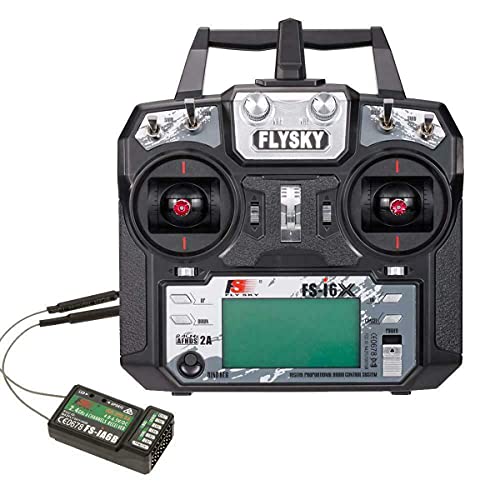
Please note: Flysky FS-i6X is default 6CH with FS-iA6B Receiver. If you have 10 channels receiver FS-iA10B, that you can open to 10 channels.
Practice Techniques for Beginners

Recommended Products
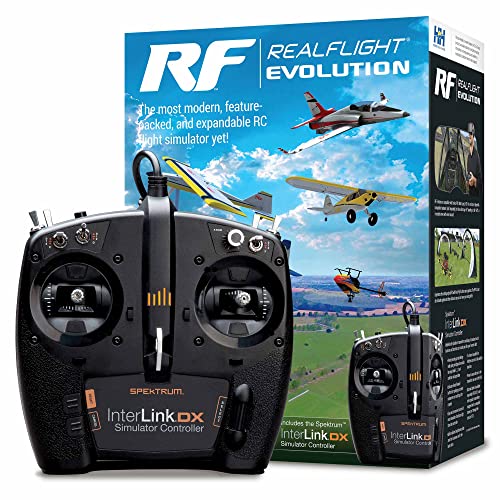
A fresh and modern user interface that’s even easier and more intuitive to use, virtually eliminating the need to use a mouse or keyboard with the InterLink DX controller
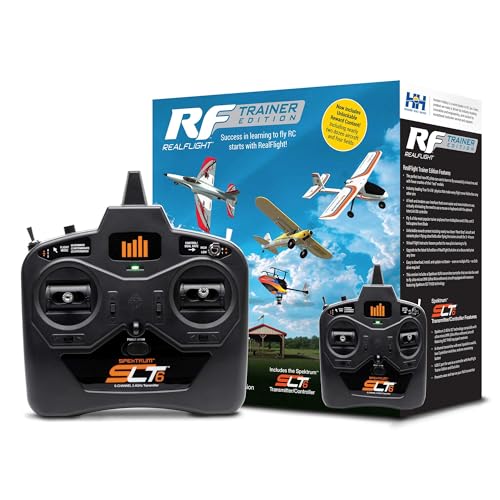
The perfect tool new RC pilots can use to learn to fly successfully in less time and with fewer crashes of their “real” models

A fresh and modern user interface that’s even easier and more intuitive to use, virtually eliminating the need to use a mouse or keyboard with the InterLink DX controller
Practice Techniques for Beginners
Introducing effective practice techniques for beginners is essential in developing the skills needed to perform a rolling harrier. Here are key strategies to avoid common beginner mistakes:
Proficiency in Basics
– Master basic harrier maneuvers before diving into rolling harriers, as strong foundational skills lead to smoother flights.
Continuous Rolling
– Practice slow to medium-speed rolls. Focus on coordinated rudder and elevator inputs for a consistent attitude.
Controlled Conditions
– Begin from a high altitude to mitigate risks during practice. Manage throttle to balance lift, especially at higher angles of attack.
Consistent Practice Frequency
– Regular practice is vital. Consistency builds muscle memory, helping avoid beginner mistakes and enhancing control. Additionally, utilizing multiple heat settings on your heating pad can aid in muscle relaxation after flying sessions.
Embracing these techniques fosters a sense of belonging in the flying community and paves the way for greater adventures in aerial maneuvers.
Refining Your Technique
As refining technique is essential for executing a rolling harrier effectively, practitioners should focus on precise control of their inputs. Attention to detail plays a vital role, as follows:
- Precise Input Coordination: Maintain a constant angle of attack using elevator and rudder controls. Dynamic adjustments guarantee smooth shifts between quarter rolls, enhancing stability.
- Throttle Management: Modulate throttle to keep altitude steady, particularly near the ground. This counteracts altitude loss and helps maintain control during the maneuver.
- Practice Roll Direction: Consistently choose a preferred direction for rolling. This strengthens muscle memory, promoting a more harmonious rolling experience. Regular practice and user-friendly designs can further enhance your performance and comfort during maneuvers.
Overcoming Common Challenges
When tackling the rolling harrier, pilots often encounter a variety of challenges that can hinder their progress.
Recommended Products

The perfect tool new RC pilots can use to learn to fly successfully in less time and with fewer crashes of their “real” models
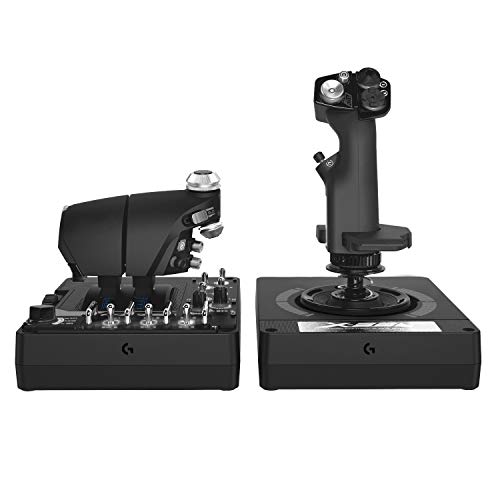
Military-grade Space and Flight Sim Precision. Customizable options including all the control surface options required to achieve the exact level of performance that aspiring combat pilots demand.System Requirements : Windows 11,10,8.1,7, 2x USB 2.0 Port
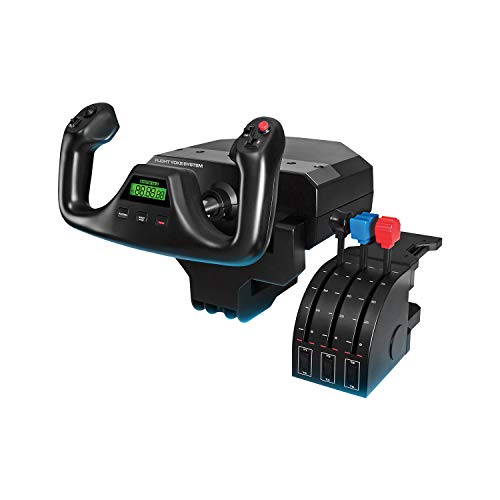
Realistic yoke controls offer an ideal setup for new pilots and help experienced pilots build muscle memory. In the Box : Flight Yoke with 5.9 ft (1.8m) USB Connector Cable, Flight Throttle Quadrant with 4.92 ft (1.5m), PS/2 Connector Cable, 2 Desk Clamps
Managing Throttle Control
– Precise throttle modulation keeps altitude steady. Adjusting sensitivity is essential since lower throttle settings require delicate handling to avoid sudden drops.
Coordinating Inputs
– A balance between rudder and elevator is imperative. Pilots need to apply rudder opposite the roll for stability, ensuring smooth execution.
Maintaining Consistent Roll
– A consistent roll rate prevents wobble. Smooth stick movements help maintain a clean maneuver.
Developing Visual Tracking
– Loss of visual orientation is common. Pilots should focus on tracking the aircraft’s nose and control surfaces to anticipate responses.
Developing Spatial Awareness
Spatial awareness is essential for pilots attempting to master complex maneuvers like the rolling harrier. Developing this awareness requires effective sensory integration, drawing from multiple systems to enhance performance.
Key Systems:
- Visual System: Though primary, it can mislead, necessitating instrument reliance.
- Vestibular System: Balances perception of motion, but is prone to illusions.
- Proprioception: Provides feedback from muscles, useful when visual cues fade.
- Tactile Feedback: Devices like tactile stimulators deliver continuous orientation cues.
Training Approaches:
- Simulators: expose pilots to disorientation safely.
- Scenario-Based Training: emphasizes real-time recognition and recovery from disorientation.
Pilot proficiency hinges on recognizing spatial cues and relying on instruments, leading to sharper decision-making and better situational awareness.
Progressing to Advanced Maneuvers
Progressing to advanced maneuvers signifies a vital phase in a pilot’s training, as it opens avenues to more complex aerial techniques, including the rolling harrier.
Key Concepts
- Mastering Throttle and Rudder: Constantly modulate throttle for altitude and nose control. Fine adjustments in rudder movements are essential for maintaining flight stability.
- Stepwise Exécution: Initiate stable harrier flight before attempting rolls. Master four-point rolls, integrating rudder and slight elevator changes for timing and coordination.
- Awareness and Control: Monitor the aircraft’s nose position throughout the roll. A mental model of the flight path helps anticipate control needs.
Tips for Consistent Performance
Consistently performing a rolling harrier requires a combination of precise control inputs and thoughtful management of aircraft dynamics.
Mastering Control Inputs
- Prioritize Rudder: Significant rudder input stabilizes yaw during the harrier phase. This is vital for maintaining the desired nose angle.
- Elevator Management: After stabilizing with rudder, adjust elevator inputs to maintain a high angle of attack.
Smooth Throttle Coordination
– Monitor Throttle: Continuous adjustments are fundamental for maintaining altitude and compensating for airspeed changes.
Input Timing
– Develop Cadence: Link rudder and elevator inputs seamlessly for smooth maneuvers. Small corrections are preferable to avoid losing control during rolls.
Control Surface Settings
– Rate and Expo Adjustments: Fine-tune control surface rates to prevent twitchy behavior, gradually increasing rates as skills improve for reliable performance.
Frequently Asked Questions
What Is the Ideal Aircraft Type for Performing a Rolling Harrier?
The ideal aircraft for performing a rolling harrier features excellent flight dynamics, such as low wing loading and responsive control surfaces. Models designed for 3D aerobatics with lightweight construction enhance stability and maneuverability during this advanced technique.
How Does Weather Affect Rolling Harrier Performance?
Weather considerably impacts rolling harrier performance; wind variations create control challenges while temperature effects alter lift and drag dynamics. Pilots must adapt strategies to guarantee maneuver stability amid these fluctuating conditions, fostering a sense of community among aviators.
Can I Perform a Rolling Harrier With Different Wing Configurations?
Yes, one can perform a rolling harrier with various wing configurations. However, wing stability and aerodynamic efficiency greatly influence performance, requiring adaptations in control inputs and practice to master the maneuver effectively in differing setups.
What Safety Measures Should I Take While Practicing Rolling Harriers?
Safety measures during rolling harriers include thorough pre-flight checks of equipment and emergency procedures. Practitioners should prioritize a secure environment, proper rigging, and attentive monitoring of their body’s signals for a safe, enjoyable experience.
Are There Competitions for Rolling Harrier Performances?
In the modern arena of aviation enthusiasts, rolling harrier competitions feature prominently, with performance evaluation focusing on precision and creativity. These events foster camaraderie among pilots, showcasing their skills within broader aerobatic contests, engaging audiences remarkably.