As an Amazon Associate, we earn from qualifying purchases. Some links on this site are affiliate links at no extra cost to you. Our recommendations are based on thorough research and editorial judgment.


What Is The Difference Between RTF, BNF, PNF, And ARF?

RTF, BNF, PNF, and ARF drones cater to different user needs and skill levels. RTF models come fully assembled for immediate use, perfect for beginners. BNF kits are ready to fly but require a compatible transmitter, appealing to intermediates. PNF models need users to install their own receiver and battery, balancing simplicity and customization. ARF options require extensive assembly, ideal for advanced hobbyists seeking personalization. For more about each type and benefits, exploring further offers valuable insights.
Key Takeaways
- RTF (Ready-to-Fly) drones come fully assembled and include all necessary equipment, ideal for beginners with no assembly required.
- BNF (Bind-N-Fly) drones are also assembled but exclude the transmitter and battery, targeting intermediate users with existing compatible gear.
- PNF (Plug-and-Play) drones require users to install their own receiver and battery, offering a balance between easy setup and customization.
- ARF (Almost Ready to Fly) drones need significant assembly and technical know-how, catering to advanced hobbyists seeking extensive control over their build.
- The cost and value vary, with RTF being pricier due to assembly, while BNF and ARF options allow for budget-friendly customization.
Understanding RTF Drones
You may be interested


10 Best Drones With Return-To-Home Feature for Hassle-Free Flying
November 21, 2025

Understanding RTF drones opens up a world of possibilities for aspiring pilots and drone enthusiasts. RTF, or Ready-to-Fly drones, come fully assembled, perfect for beginners. These kits include essential components such as the drone, radio transmitter, receiver, battery, and charger, allowing immediate use. For many, the allure of RTF drone technologies lies in their simplicity and ease of access.
Key Features
- No Assembly Required: Straightforward setup minimizes technical concerns.
- User-Friendly: Ideal for novices interested in flying without delays.
- Basic Components: While the quality is entry-level, it satisfies budget-conscious users.
Benefits
RTF user experiences often highlight the ease and excitement of immediate flight, fostering a sense of community among new pilots. Additionally, the safety features like auto shut-off in various electronic devices, including drones, ensure a secure flying experience for beginners.
Exploring BNF Kits

For those looking to enhance their drone flying experience, BNF (Bind-N-Fly) kits present an appealing option. These kits come fully assembled, featuring motors, ESCs, and flight controllers, but they do not include a transmitter, battery, or charger. Users must verify transmitter compatibility with the pre-installed receiver for successful binding.
Key Features:
- Ease of Use: BNF drone assembly is complete, allowing quicker flights for pilots.
- Customization: Flexible control setups are possible, as users can select their preferred transmitters.
- Cost Savings: BNF kits avoid redundancy by excluding items already owned, such as FPV gear. Additionally, peppermint oil can be a natural way to repel pests while flying drones outdoors, enhancing the overall experience.
With options like the iFlight Nazgul Evoque and HGLRC Sector30, BNF kits cater especially to intermediate users seeking tailored experiences in the drone community.
Recommended Products

★Stable - 4mm carbon fiber frame arms and shock absorber cottons.

Lightweight and Durable: A combination of carbon fiber and aluminum ensures a lightweight yet robust structure for your camera equipment. Designed for clear video output without propellers obstructing the view, enhancing the aesthetic quality of your aerial footage.
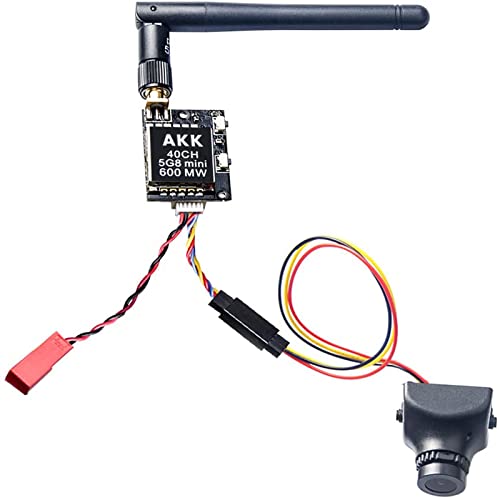
A RTF FPV System for beginners, Suitable for all quadcopters and drones
The Basics of PNF/PNP Models

While many drone enthusiasts may start with Ready-to-Fly (RTF) models, PNP (Plug-and-Play) aircraft serve as a versatile alternative, appealing particularly to those with some previous experience. PNP models arrive nearly fully assembled, featuring factory-installed motors, servos, and electronic speed controllers, which considerably reduces assembly time.
Key Features:
- Users only need to install their own receiver and battery, along with minor tasks like attaching the propeller.
- PNP assembly benefits include less wiring and soldering, promoting PNP user flexibility in component choice.
This option is perfect for intermediate hobbyists wanting customization without the full assembly of kits. PNP models balance convenience and control, making them an excellent step towards more advanced piloting. Additionally, their design often incorporates ergonomic features that enhance user experience and comfort during flight.
Recommended Products

Twin 40mm EDF power system with dual 20A ESCs featuring reverse thrust for strong and responsive performance

Scale outline and great presence in the air

Updated! It comes standard with a sprung nose landing gear which delivers better shock-absorbing effect
Delving Into ARF Aircraft

ARF aircraft, short for “Almost Ready to Fly,” represent a popular option for hobbyists looking to bridge the gap between full kits and RTF models. These aircraft come mostly pre-built, featuring major components like the fuselage and wings. Assembly typically involves installing the power system and radio electronics, providing a satisfying build experience without complete construction from scratch.
Key Features:
- Assembly Techniques: Requires about 10 to 20 hours for completing setups, making it less time-consuming than traditional kits.
- Customization Options: Hobbyists can choose their preferred electronics, enhancing personalization and performance.
With ARF models, enthusiasts appreciate a solid blend of pre-built convenience and the ability to implement personal touches, fostering a vibrant community of RC hobbyists. Additionally, many hobbyists find that incorporating advanced technology into their builds can significantly enhance performance and enjoyment.
Recommended Products
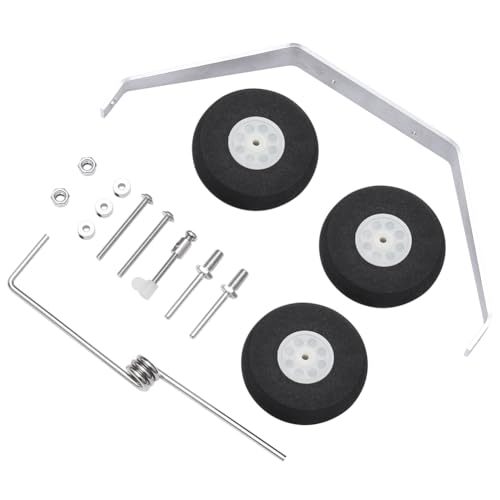
Replacement For RC Airplane Cessna 182


Complete DIY RC Plane Kit: Includes A2212 brushless motor, 30A ESC speed controller, SG90 servo, compatible propellers, XT60 connector, Z-wire, motor mount, rudder angle, and connector protectors for building a fixed-wing RC airplane
Assembly Requirements Across Models

Understanding assembly requirements is key when choosing between different types of remote-controlled (RC) aircraft models. Each type presents distinct assembly timelines and features that cater to varying user experiences.
- RTF (Ready-To-Fly): Requires minimal effort; everything is pre-assembled, allowing for immediate flight after a quick setup, often taking less than two hours.
- BNF (Bind-N-Fly): Offers moderate effort, needing a compatible transmitter and approximately 1-2 hours for binding and minor assembly.
- PNF (Plug-N-Play): Demands more effort, requiring pre-installed motors and servos, as users must provide their own receiver and transmitter.
- ARF (Almost Ready-To-Fly): Involves the highest effort, lacking essential components and requiring extensive assembly, ideal for experienced hobbyists. Correct application is essential to avoid misuse or over-application of these models.
Using these comparison criteria helps enthusiasts select models aligned with their assembly preferences.
Included Components Comparison
Included components play an essential role in deciding which type of remote-controlled (RC) aircraft is the right fit for an enthusiast’s needs. Here’s a comparison of kit components across four categories:
- RTF (Ready-to-Fly): Complete sets including drone, transmitter, battery, and charger are perfect for beginners. Assembling is minimal, facilitating immediate use.
- BNF (Bind-N-Fly): Pre-assembled drones need a compatible transmitter and battery, allowing users some flexibility. Assembly considerations mainly include binding the receiver.
- PNP (Plug-N-Play): Users must supply the radio system and battery, but most components are assembled, fostering individuality through choice.
- ARF (Almost-Ready-to-Fly): Requires significant user assembly, offering deep customization. Ideal for experienced flyers seeking control over their aircraft’s setup.
In addition, the importance of user-friendly designs in various products can enhance overall satisfaction and ease of use.
Each category caters to different enthusiast levels, shaping the unique flying experience.
Recommended Products

Easy control: LEAMBE Airplane has a simple operation mode which only needs to press the switch and pull the stick to easily control the aerobatics of the aircraft. It can take off after you assemble the wheels, and it is also convenient to carry. Best outdoor games and toys for you.

FLIGHT STABILITY AND EASY TO FIY: The P51 Mustang remote-controlled aircraft is made of lightweight elastomer foam and can fly in outdoors. Enough light and high flexibility material make the RC plane easy to fly.

Compact, electric foam RC plane with SAFE technology is perfect as a trainer airplane for beginners and fun for experts alike
Customization Levels in Each Category
Remote-controlled (RC) aircraft enthusiasts have different preferences when it comes to customization levels in their flying experiences.
RTF (Ready-To-Fly)
- Offers the least customization, fully assembled with fixed components.
- Ideal for beginners seeking immediate flight, with minor setting adjustments.
BNF (Bind-N-Fly)
- Pre-assembled but requires a separate radio controller.
- Allows some customization in user-selected transmitters, with limited internal modifications.
PNP (Plug-N-Play)
- Ships without key radio components, enabling high flexibility.
- Users can upgrade hardware and customize firmware based on specific receiver choices.
ARF (Almost-Ready-to-Fly)
- Provides significant customization options, suited for experienced builders.
- Allows extensive hardware selection and tuning, appealing to those who thrive on hands-on experiences.
Each category meets different user preferences, aligning with varying levels of expertise and customization desires.
Target Users for Each Type
Choosing the right type of remote-controlled aircraft often depends on the user’s skill level and desired involvement.
Recommended Products
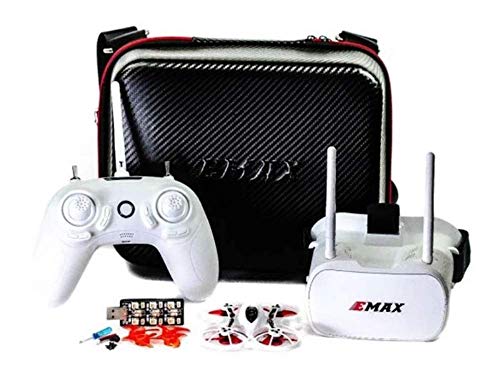
Kit in cludes FPV goggles, Controller and Tinyhawk drone, all ready to fly!
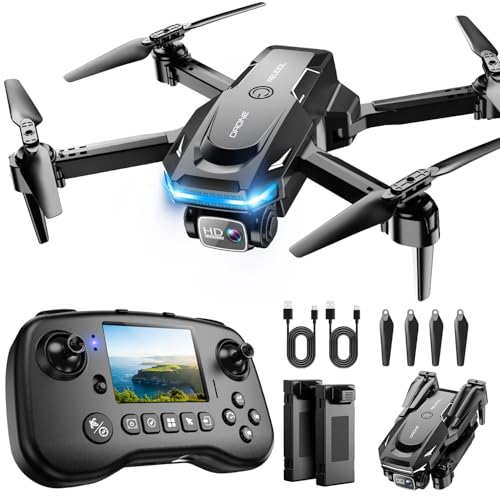
The PK01 drone's remote comes with a super handy built-in screen—no phone needed—so you can watch live HD footage and check flight stats right in your hands. (An SD card is required to save images and videos, not included) Powered by tough brushless motors, this little flyer is strong, smooth, and built to last. With one-key takeoff/landing, headless mode, and even 360° flips, you’ll look like a pro in no time. Ready for takeoff?🤩
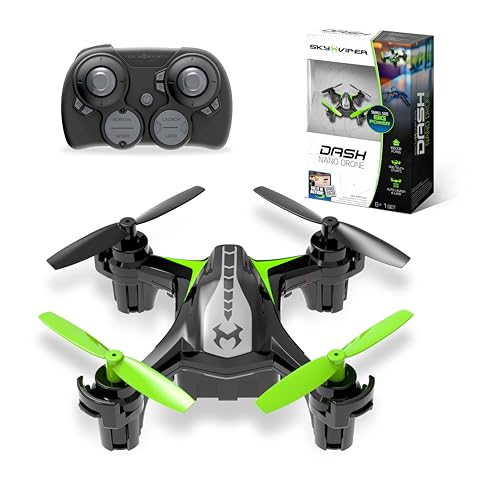
Fast, safe indoor flying – Tuned for fast flying in tight spaces, no open sky required
RTF User Profiles
RTF drones cater to novices and casual flyers, providing fully assembled models for immediate enjoyment. They are ideal for parents gifting to children or newcomers.
BNF User Preferences
BNF drones serve intermediate users who own transmitters, allowing pilots to bind quickly without total assembly. They appeal to those seeking customization without the hassle.
PNF User Needs
PNF models target those who wish to “plug and play,” combining basic setup with some technical involvement.
ARF Assembly Techniques
ARF drones attract advanced hobbyists ready for complete assembly, offering maximum customization and performance tailored to their preferences.
Pros and Cons of RTF Drones
RTF drones offer a convenient option for users looking to commence their flying journey with minimal hassle.
RTF Drone Advantages
- Ease of Use: Ready to fly straight out of the box, they require no assembly. Users can immediately enjoy the excitement of flying.
- Complete Packages: Typically include all necessary components—drone, transmitter, battery, and sometimes FPV goggles.
- Reliability: Professionally assembled and tested, reducing the risk of assembly faults, hence ensuring safer flights.
RTF Drone Limitations
- Cost Factors: Generally more expensive than DIY options, and experienced pilots might find less long-term value.
- Customization: Limited options for upgrades or advanced features, which may restrict progression as skills develop.
Advantages and Disadvantages of ARF Kits
ARF kits present a different approach for drone enthusiasts seeking a balance between cost and customization.
Cost Efficiency
- Generally less expensive than RTF or BNF drones, ARF kits allow for tailored budget allocation, focusing spending on quality components.
- Users must purchase additional items like transmitters and batteries, adding complexity and potential costs.
User Customization
- ARF kits offer unparalleled freedom in selecting electronic parts, from flight controllers to motors, enabling personalization.
- This customization requires technical know-how and can lead to exhilarating learning experiences but may frustrate beginners.
Maintenance and Repairs
- Building ARF kits fosters technical skills, simplifying repairs and upgrades.
- Users gain insights making future enhancements more accessible, while potential mismatches in components could lead to setbacks.
Choosing the Right Type Based on Skill Level
How can drone enthusiasts select the right type of aircraft to match their skill level? The choice between RTF, BNF, PNF, and ARF hinges on experience.
- RTF benefits beginners with everything included. It’s simple to use, promoting immediate flight, perfect for those just starting their journey.
- BNF flexibility caters to intermediate users, requiring only a compatible transmitter, offering a balance of ease and control.
- PNF customization enables pilots seeking quick setups, with core components in place but room for personal enhancements.
- ARF challenges those with advanced skills, demanding significant assembly and a chance for complete customization.
Selecting the right type nurtures skill development, fostering a sense of belonging within the vibrant drone community.
Frequently Asked Questions
Can I Upgrade Components in RTF Models?
Upgrading components in RTF models is possible, but often limited. While minor enhancements can improve performance, significant upgrades may require advanced skills, leading many enthusiasts to seek models that offer greater flexibility for customization and performance enhancement.
What Tools Are Needed for ARF Assembly?
In the workshop, ARF assembly tools transform raw materials into soaring creations. With precise cutting instruments, sturdy fasteners, and reliable adhesives, enthusiasts embrace ARF construction techniques, crafting their dreams while fostering a shared passion for flight.
Are BNF and PNF Kits Interchangeable in Use?
BNF and PNP kits are not directly interchangeable due to BNF compatibility limitations. However, PNP advantages include customization, allowing users to select specific components, enhancing their experience and encouraging personal engagement in the assembly process.
How Long Does It Take to Assemble ARF Drones?
ARF drone assembly typically requires about 55 minutes, focusing on frame construction and autopilot setup. However, thorough drone setup involving detailed wiring and calibration can extend this time considerably, appealing to builders who enjoy intricate projects.
What Safety Gear Is Recommended for Flying These Models?
Recommended safety equipment for flying includes helmets, goggles, gloves, and protective clothing. Adhering to flying regulations guarantees a safe environment, fostering a sense of belonging and responsibility among enthusiasts, thereby enhancing the overall flying experience.