As an Amazon Associate, we earn from qualifying purchases. Some links on this site are affiliate links at no extra cost to you. Our recommendations are based on thorough research and editorial judgment.


RC Airplane FAQs: What Is The Range Of An RC Plane?

The range of an RC plane typically depends on several factors, such as the frequency used and environmental conditions. For example, 2.4 GHz systems can reach several hundred meters to 1-2 km. Low-frequency bands, like 433 MHz, may achieve several kilometers. Factors like obstacles, legal restrictions, and pilot skill also play an essential role. Enthusiasts interested in maximizing their range can uncover effective strategies and advanced techniques that enhance performance in various flying conditions.
Key Takeaways
- RC planes typically operate within a range of several hundred meters to 1-2 kilometers using the 2.4 GHz band under ideal conditions.
- Low frequency bands like 433 MHz and 900 MHz can achieve even longer ranges, potentially several kilometers.
- Obstacles, environmental conditions, and visual line-of-sight significantly impact the effective control range of RC planes.
- RC planes over 0.55 lbs must be FAA registered, affecting compliance and operational limits for pilots.
- Advanced technologies, such as UHF radio systems and autonomous navigation, enhance range performance and reliability during flights.
Typical Control Range of RC Planes
You may be interested


When considering the control range of RC airplanes, enthusiasts often pay attention to the frequency band utilized, as it significantly influences the operational distance.
Typical Ranges by Frequency Band:
- 2.4 GHz Band: Commonly used, offering a range of several hundred meters up to about 1-2 km under ideal conditions.
- Low Frequency Bands (433 MHz, 900 MHz): Enable longer ranges, sometimes reaching several kilometers.
Key Influencing Factors:
- Control Signal Quality: Effective range can be decreased by obstacles such as buildings or trees.
- Environmental Conditions: Weather impacts radio wave propagation, affecting clarity and distance.
Enthusiasts must remember that maintaining visual line-of-sight remains critical, enhancing safety during flight, regardless of maximum transmitter capabilities. Additionally, understanding your power and speed options can help improve the overall control experience of your RC plane.
Recommended Products
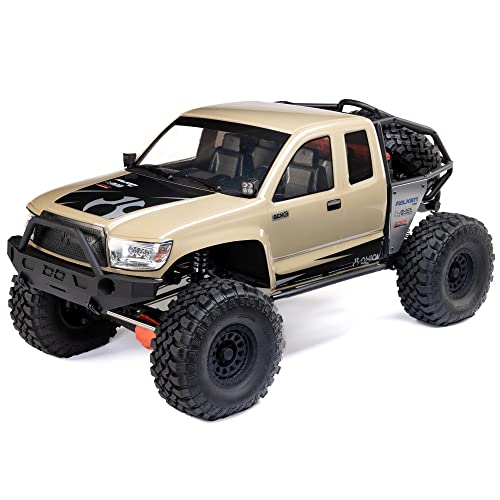
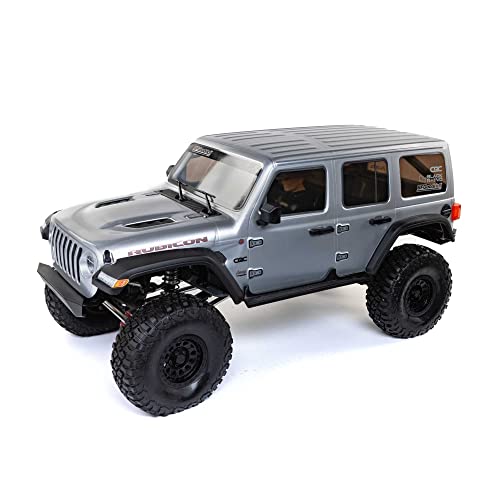
The first ever Axial 1/6 scale chassis design based on the proven SCX10 III

The ultimate ARRMA 1/5 scale ready-to-run Stunt Truck
Legal and Safety Constraints on Flying Range

Understanding the legal and safety constraints on flying range is essential for all RC airplane enthusiasts. Compliance guarantees a safe and enjoyable experience.
Legal Registrations
- RC planes over 0.55 lbs must be registered with the FAA, costing $5.
- Registration is valid for three years and must be presented upon request.
Safety Regulations
- Pilots must avoid manned aircraft, respecting all operational boundaries.
- Flying is prohibited over people and requires operators to remain sober.
Flight Location Restrictions
- Avoid flying near sensitive sites, like airports and prisons.
- Local laws dictate acceptable flying zones, emphasizing respect for private property.
- Adhering to safety regulations not only ensures compliance but also enhances the overall flying experience.
Extreme Long-Range Flight Examples

How far can an RC airplane truly fly? Some remarkable accomplishments showcase the potential of these aircraft.
- Record-Breaking Flights: One standout flight lasted 10 hours and 45 minutes, covering 340 miles with a 50,000 mAh battery pack. The Phoenix 2400 model, equipped with specialized electronics, achieved this endurance without external power aids, setting a new standard for electric RC airplanes.
- Autonomous Missions: Another impressive feat included a waypoint mission that reached 15.7 km in 45 minutes using a custom flying wing. This flight relied on precise GPS and INAV navigation for flawless autonomous control, marking a milestone in hobbyist aviation.
These examples highlight the advanced technology enabling extreme long-range capabilities in RC flying, sparking interest across the community. Additionally, the importance of consistent usage in achieving optimal performance can also be seen in both RC planes and red light therapy devices.
Recommended Products

🥇【WHY CHOOSE US?】Every product we offer is sourced directly from Autel’s factory and is 100~% or.i.ginal. Autel EVO 2 Dual 640T Enterprise V3 sold here is not only covered by Autel Store’s af.ter-sa.les service, but also includes a US.-based war.ra.nty for timely and dedicated su.p.port.💝This bundle is backed by 30 Days REP~LACEMENT or F.U.LL R~E.FUND, 12 Months f-r.e.e from defects services. Any issues, please co.nt.act📩 AutelStoreOnline @ outlook . com📩

What's in this combo: Mavic Pro [US Version], 2 Extra batteries, 2 Extra propellers, 1 charging hub, 1 car charger, 1 battery to power bank adaptor and a shoulder bag

Based on the design of the extremely popular Turbo Timber 1.5m models but in a larger size with even sportier performance and capabilities
Long-Range FPV Flight Techniques

Long-range FPV flight techniques have revolutionized the way enthusiasts explore the skies with their aircraft. To promote range expansion, pilots can start with sub-250g micro long-range FPV drones. These lightweight drones provide safety during learning, with flight times up to 30 minutes using Li-ion batteries.
Guaranteeing effective line of sight (LOS) is essential, so evaluating the flying site helps minimize signal loss. Utilizing UHF radio systems, like TBS Crossfire, enhances signal penetration and range. Additionally, elevating antennas and using directional configurations guarantees strong connectivity.
Autonomous flight systems can considerably boost pilot confidence by managing complex navigation tasks. With the right techniques, pilots can safely embrace longer flights and broaden their horizons, creating unforgettable experiences in the sky. Incorporating long-lasting power from quality batteries ensures reliability during extended flight sessions.
Factors That Influence Range Performance

Range performance of RC airplanes is influenced by several interconnected factors that collectively determine how far and effectively a model can fly.
Key Influencers
- Power Efficiency: The propulsion system’s power consumption varies with propeller size, affecting overall thrust and efficiency.
- Weight and Wing Loading: A lighter aircraft with optimized wing loading improves climb and cruise efficiency, enhancing travel distance.
- Aerodynamics: Streamlined designs reduce drag, directly impacting range potential; efficient shapes optimize thrust-to-drag ratios.
- Environmental Variables: Factors like altitude and temperature can decrease engine performance, limiting range. Additionally, understanding safety features in RC plane design can further ensure reliable operation during extended flights.
Understanding these performance metrics helps enthusiasts optimize their RC airplanes for maximum range, ensuring enjoyable and effective flights in various conditions. By striking a balance among these elements, pilots can elevate their flying experiences markedly.
Practical Range Guidelines for Pilots
When pilots engage in flying their RC airplanes, it is essential to adhere to practical range guidelines that guarantee both safety and enjoyment. Understanding range performance is critical; pilots should generally limit their flights to a visual line-of-sight of 1–2 miles. This helps maintain control while avoiding obstacles and guarantees compliance with regulations.
Key pilot techniques for ideal range include:
- Using landmarks: Establish fixed visual points to gauge distance and position accurately.
- Consistent approach patterns: Landing from the same angle aids spatial awareness.
- Pre-flight checks: Conduct thorough range checks to confirm reliable transmitter and receiver communication. Additionally, maintaining consistent use of your equipment can enhance performance and reliability during flights.
Recommended Products

[Exclusive Battleship Grey AW Edition] The Aviation World (AW) Battleship Grey edition features a premium CNC-machined metal shell with a sophisticated matte finish. Inspired by modern naval and aviation aesthetics, this low-profile yet powerful color choice offers an anti-glare surface and a professional, "heavy-duty" feel that resonates with elite RC pilots.

Built-in TD-ISRM RS Dual-Band Internal RF Module – 900M/2.4G Dual Band TD Mode – Dual 2.4G TW Mode – ACCESS 2.4G & ACCESS R9 Modes – 2.4G ACCST D16 Mode Further Improvements for Form Factor Design Super Low-Latency and Long-Range Control with Telemetry Upgraded Robust Antenna Handle

The easiest to fly and best handling high-performance airliner EDF (Electric Ducted Fan) jet model yet
Frequently Asked Questions
Can I Use My Smartphone as a Controller for RC Planes?
Yes, individuals can use their smartphones as controllers for RC planes, provided the device supports compatible controller apps. This integration allows for enhanced control features, enabling enthusiasts to experience a modern approach to piloting their aircraft.
What Types of RC Planes Offer the Best Range?
Electric gliders typically provide excellent range enhancements due to their aerodynamic designs and efficient power usage. Enthusiasts often favor these models for long-distance flights, enjoying impressive control ranges and enduring flight times that foster a strong community connection.
How Can I Improve My RC Plane’s Range Effectively?
To enhance an RC plane’s range, individuals should consider transmitter upgrades and antenna modifications. These improvements facilitate better signal strength and stability, fostering a greater sense of community among hobbyists enthusiastic to explore new aerial possibilities.
What Are the Common Causes of Signal Loss During Flights?
Signal loss during flights can be dramatically exacerbated by antenna interference from nearby electronics and power lines, alongside battery issues like low voltage or poor connections, which collectively disrupt communication between the transmitter and the RC plane.
Do I Need a License to Fly RC Planes in My Area?
A license may not be necessary for recreational RC plane flying, but awareness of regulations and local laws is essential. Joining a flying club can support compliance and foster community connections among enthusiasts.


