As an Amazon Associate, we earn from qualifying purchases. Some links on this site are affiliate links at no extra cost to you. Our recommendations are based on thorough research and editorial judgment.


Beginner’s Guide To RC Airplane Terminology

A beginner’s guide to RC airplane terminology equips enthusiasts with essential knowledge. Key components include the fuselage for electronics, wings for lift, and control surfaces like ailerons and elevators for maneuverability. Understanding terms like Kv rating for motor selection and LiPo batteries for power can enhance performance. Safety protocols, such as performing pre-flight inspections and maintaining line-of-sight, are crucial. By mastering these terms, novice pilots can confidently navigate their RC flying journey while discovering more details along the way.
Key Takeaways
- Fuselage: The main body of the airplane that houses electronics; material choices like balsa wood or carbon fiber impact performance.
- Kv Rating: Indicates how fast a motor spins per volt; crucial for selecting the right motor for your RC airplane.
- Control Surfaces: Components like elevators, ailerons, and rudders are vital for maneuvering and controlling the aircraft’s pitch, roll, and yaw.
- LiPo Batteries: These batteries provide high energy density; understanding their capacity and C-rating is essential for maximizing flight time and performance.
- Common Flight Operations Terms: Familiarize yourself with terms like control range, throttle, and line of sight (LOS) to enhance your flying experience.
Essential Components of RC Airplanes
You may be interested


The world of remote control (RC) airplanes is fascinating and filled with crucial components that contribute to their performance and control. Central to each aircraft is the fuselage, which houses critical electronics and is made from fuselage materials like balsa wood or carbon fiber, impacting aerodynamics considerably.
Additionally, wings are designed to provide lift, while tail surfaces guarantee stability.
Control linkages, comprising pushrods and control horns, play an essential role by transferring servo movement to control surfaces, enabling precise adjustments in roll, pitch, and yaw. Furthermore, understanding the importance of ergonomic design can enhance the overall experience of flying, as it ensures comfort and control during operation.
When assembled with care, these components guarantee an engaging flying experience, allowing enthusiasts to feel connected to the skies, fostering a sense of community among RC pilots and hobbyists alike.
Recommended Products

Bell UH-1N Huey glass fiber scale fuselage in premium quality and finish.

The most capable, versatile and easiest to fly scale trainer based on the iconic Carbon Cub from CubCrafters

Scale replica of the Smartest, Safest, Most Innovative general aviation aircraft available in the world today
Understanding Power and Battery Terms

Power and battery terms play a pivotal role in understanding how RC airplanes operate and achieve peak performance.
Power Ratings
- Kv Rating: This indicates how fast a motor spins per volt, vital for selecting the right motor for your plane.
- Continuous and Peak Current: These ratings inform users of how much current the ESC can handle safely, preventing potential damage.
Battery Types
- LiPo Batteries: Popular choices due to their high energy density; typically labeled by cell count like 3S (11.1V).
- Capacity and C-Rating: The capacity in mAh dictates flight time, while the C-rating reflects the max continuous discharge, significant for ensuring your plane flies smoothly. TENS units, for example, provide various pain relief options that can be beneficial for muscle recovery after flying sessions.
Understanding these specifications helps create a well-performing airplane tailored for memorable flights.
Recommended Products

Unique and ground-breaking design capable of slow and scale-like flying, sport flying AND aggressive 3D aerobatics

An innovative blend of futuristic looks and high performance to deliver a unique helicopter flying experience

GPS Precision & Beginner-Friendly Controls The E2 is equipped with advanced GPS positioning that allows hands-free hovering, altitude hold, and fixed-point stability
Flight Mechanics and Axes Explained

Understanding flight mechanics and the corresponding axes is essential for anyone learning to navigate RC airplanes effectively. This knowledge enhances the pilot’s ability to master flight dynamics while applying aerodynamic principles.
Flight Axes:
- Pitch Axis: Adjusts the nose up or down using elevators.
- Roll Axis: Tilts the plane’s wings up/down via ailerons.
- Yaw Axis: Rotates the nose left or right with the rudder.
Each of these axes corresponds to specific transmitter stick movements for precise control.
Control Surfaces:
- Elevators: Manage altitude.
- Ailerons: Facilitate rolling turns.
- Rudder: Guides directional changes.
Coordinating these movements allows for smooth, controlled maneuvers in three-dimensional space, making flying not just an activity, but an adventure shared among enthusiasts. Additionally, understanding light therapy options can help pilots maintain focus and reduce fatigue during long flying sessions.
Types and Configurations of RC Airplanes

Diverse types and configurations of RC airplanes cater to various skill levels and flying styles, making the hobby accessible and exciting for enthusiasts.
RC Airplane Types
- Trainer Airplanes: Designed for beginners, featuring high-wing configurations for stability. Ideal first planes, powered by electric or glow plug engines.
- Sport Airplanes: Mid or low-wing for improved aerobatics; suitable for advanced training.
- Aerobatic Airplanes: Require experience, with mid-wing designs for aggressive maneuvering.
- Scale Planes: Replicate real planes, often needing more skill to maneuver.
- Jets and Pylon Racers: Fast models for racing, demanding advanced skills.
Configuration Choices
- High-wing: Offers stability, ideal for trainers.
- Mid-wing: Balances agility and stability, common in sport models.
- Low-wing: More maneuverable, favored in aerobatics.
Additionally, understanding the safety features of RC airplanes can greatly enhance the overall flying experience and prevent accidents.
Recommended Products

✅ ATT Self-leveling Mode - This function utilizes a high-precision gyroscope/accelerometer and barometer working in tandem to automatically correct flight attitude in real-time, maintaining the helicopter in a fundamentally stable state. Unlike GPS mode, releasing the control sticks will not trigger automatic braking-instead, the helicopter returns to a level attitude autonomously. Compared to traditional gyro-assisted manual mode, it significantly reduces control pressure while offering more hands-on engagement than GPS mode, allowing you to focus more on the joy and creativity of flying!

✅ Realistic Helicopter - The realistic Bell 206 V3 6CH RC helicopter model equipped Multiple flight modes including GPS mode, ATT Self-leveling Mode. Adopts the 700-level FBL rotor structure in high precision to provide a more smooth and more weighty control feel.

✅ ATT Self-leveling Mode - This function utilizes a high-precision gyroscope/accelerometer and barometer working in tandem to automatically correct flight attitude in real-time, maintaining the helicopter in a fundamentally stable state. Unlike GPS mode, releasing the control sticks will not trigger automatic braking-instead, the helicopter returns to a level attitude autonomously. Compared to traditional gyro-assisted manual mode, it significantly reduces control pressure while offering more hands-on engagement than GPS mode, allowing you to focus more on the joy and creativity of flying!
Common Terms in RC Flight Operation

RC flight operation involves a variety of terms that every pilot should become familiar with to enhance their flying experience and safety. Understanding these terms creates a sense of belonging within the RC community.
- Control Range: The maximum distance between the transmitter and receiver, vital for maintaining control over the aircraft.
- Signal Interference: Disruptions that can occur from other electronic devices, impacting communication between the transmitter and receiver.
Other essential terms include throttle, which adjusts motor speed; and line of sight (LOS), which mandates visual contact with the aircraft for safety. Mastering these terms not only boosts skills but also fosters confidence, making each flight more enjoyable and successful. Additionally, understanding the importance of battery longevity can greatly affect the performance of your RC aircraft during extended flights.
Recommended Products

Fixed-wing drone that reaches speeds up to 50 mph

What's in this combo: Mavic Pro [US Version], 2 Extra batteries, 2 Extra propellers, 1 charging hub, 1 car charger, 1 battery to power bank adaptor and a shoulder bag

The easiest to fly and best handling high-performance airliner EDF (Electric Ducted Fan) jet model yet
Maneuvering and Stability Concepts
Maneuvering and stability concepts play a fundamental role in the operation of RC airplanes, building upon the foundational terminology of flight. Understanding stability metrics is crucial; stability refers to an aircraft’s ability to maintain or return to its flight attitude.
Key axes include:
- Longitudinal (Pitch): Controls the nose elevation.
- Lateral (Roll): Countered by wing design, like the dihedral angle, enhancing stability.
- Directional (Yaw): Managed during turns with the rudder.
Effective maneuvering techniques, such as throttle management, guarantee lift control and prevent stalling. Additionally, modern stabilization technologies provide automatic corrections, enhancing control during challenging moves. With these concepts, even beginners can enjoy a rewarding flying experience, feeling confident in the skies. Furthermore, understanding multiple modes and intensity levels in flight controls can improve overall maneuverability and responsiveness of the aircraft.
The Role of Control Surfaces
Control surfaces are essential components of any aircraft, playing a pivotal role in steering and stabilizing flight. Their design directly impacts aerodynamic efficiency, allowing for better control across all three flight axes: pitch, roll, and yaw.
Recommended Products

Authentic Simulation Experience: The FMS 1500mm Maule rc airplane faithfully reproduces the low-speed handling and short take-off and landing (STOL) capabilities of the real Maule aircraft. Crafted from lightweight and durable EPO foam and equipped with functional flaps, it can take off within just three meters, providing you with a true-to-life flying experience.
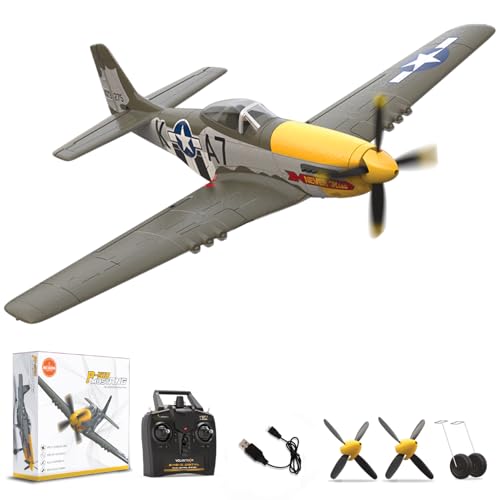
Perfect for All Skill Levels: Featuring the advanced Xpilot gyro stabilizer system and three levels of flight control assistance, this RC plane caters to both beginners and experts. Whether you're just starting out (with full assist for an easy, stable flight), progressing to intermediate skills (with partial assist for more control), or a seasoned pro (with full manual control for ultimate freedom), this plane ensures an exciting experience at every stage. Perfect for building confidence, mastering new skills, or showcasing your expertise from the start!

SUITABLE FOR BEGINNERS AND EXPERTS: equipped with Xpilot gyro stabilizer system, with 3 level flight control assist (Beginner level with full assist/ Intermediate with partial assist/ Expert for manual control) , this rc planes is ideal for pilots of all levels. Beginners can gradually gain confidence, while experts can show off their skills right out of the gate
Key Control Surfaces:
- Ailerons: Control roll by adjusting lift and drag on each wingtip, enabling left and right banking.
- Elevators: Manage pitch, raising or lowering the nose to affect climbing or diving attitudes.
- Rudder: Directs yaw, ensuring smooth horizontal turns.
- Flaps: Enhance lift and drag during slow flight or landing.
The effectiveness of these surfaces relies on size, shape, and their mechanical linkages, ensuring precise movements for stable and enjoyable flying experiences. Proper control surface design leads to more effective and responsive flight.
Safety Practices for Beginners
Guaranteeing a safe flying experience is paramount for beginners venturing into the world of remote-controlled airplanes. Adhering to essential safety practices can foster confidence and community enjoyment.
Pre-Flight Inspections
- Inspect the airplane for any visible damage or loose components.
- Verify that control surfaces function properly and check battery levels to prevent mid-flight failures.
- Conduct a range check on radio equipment to guarantee reliable signal reception.
Safe Locations
- Choose large, open areas devoid of people, pets, and obstacles like trees or buildings.
- Local RC airfields or club flying fields are ideal for support and safety.
- Always confirm if flying is allowed in selected spots, maintaining awareness of surroundings.
Frequently Asked Questions
What Tools Do I Need for Assembling an RC Airplane?
To assemble an RC airplane, one requires various screwdriver types for securing components, alongside adhesive options like hot glue and cyanoacrylate glue, ensuring a sturdy structure and fostering camaraderie among enthusiasts through shared experiences.
How Do I Troubleshoot Common RC Airplane Issues?
To troubleshoot common RC airplane issues, one must investigate engine problems and check for radio interference. Analyzing symptoms systematically, such as unusual noises or unresponsive controls, can help identify and resolve underlying faults effectively.
What Is the Best Beginner RC Airplane Model?
The best RC airplanes for beginners include the HobbyZone Sport Cub S2 and Volantex Ranger 757-3, both providing exceptional stability and user-friendly features in beginner kits, fostering confidence and a sense of accomplishment in new pilots.
How Do Weather Conditions Affect RC Flying?
Weather conditions considerably impact RC flying, with wind conditions challenging control and temperature effects influencing battery performance. Pilots must adeptly navigate these elements to guarantee a safe and enjoyable flying experience amidst nature’s whims.
Where Can I Find Local RC Flying Clubs?
Local RC flying clubs can be found through online directories, community events, and participating in hobby shops. These clubs provide a welcoming environment, fostering connection among enthusiasts and enhancing the overall flying experience.


