As an Amazon Associate, we earn from qualifying purchases. Some links on this site are affiliate links at no extra cost to you. Our recommendations are based on thorough research and editorial judgment.


How To Store LiPo Batteries Properly

Proper storage of LiPo batteries is essential for safety and performance. Store them in a cool, dry environment between 20°C and 25°C (68°F to 77°F) and at 40-60% charge (3.7–3.85V per cell) to guarantee stability. Use fireproof containers like metal ammo boxes or LiPo-safe bags to prevent risks. Regularly check for swelling or corrosion every 1-3 months. Managing these factors effectively extends battery life and prevents hazards. Continue on to discover more invaluable tips.
Key Takeaways
- Store LiPo batteries at 40-60% charge (3.7–3.85V per cell) for optimal chemical stability and reduced degradation risks.
- Keep batteries in a cool, dry environment between 20°C and 25°C (68°F to 77°F) away from heat sources and direct sunlight.
- Use fireproof storage containers, like LiPo-safe bags or metal ammo boxes, to mitigate fire risks during storage.
- Inspect batteries every 1 to 3 months for swelling, corrosion, or voltage drops, maintaining voltages between 3.8V and 4.0V per cell.
- Regularly cycle LiPo batteries by discharging them to 40-60% before storage, avoiding deep discharges for enhanced lifespan.
Importance of Proper Storage for LiPo Batteries
You may be interested

3D Plane FAQs: Why Do I Need So Much Power?
October 7, 2025

How To Flash Firmware On Your Flight Controller And ESCs
October 7, 2025

How To Set Up Dual Rates And Expo On Your Transmitter
October 7, 2025
Proper storage of LiPo batteries is essential, as neglecting this can lead to significant risks and losses. Many enthusiasts fall for storage misconceptions that can harm battery lifespan.
- Optimal Voltage: Batteries should be kept at 40-60% charge, approximately 3.7–3.85V per cell. This balance maintains chemical stability, extending the battery’s lifespan.
- Avoid Extremes: Storing fully charged or fully drained batteries increases degradation risks. Excessive voltage causes chemical breakdown, while low voltage leads to irreversible damage.
- Periodic Checks: Regular use or charge cycles every three months prevent voltage drops, ensuring the cells remain functional. Additionally, following proper cleaning methods can help maintain battery performance and safety over time.
Ideal Storage Environment

Creating an ideal storage environment for LiPo batteries is essential for maintaining their performance and longevity.
Temperature Control
- Store batteries between 20°C and 25°C (68°F to 77°F) to guarantee stability.
- Avoid heat sources and direct sunlight to prevent overheating, which can lead to thermal runaway.
Humidity and Ventilation Requirements
- Aim for ideal humidity levels below 50% to combat corrosion.
- Excess moisture can lead to electrolyte leakage, while too little humidity encourages rust.
Safety Measures
- Confirm proper ventilation to prevent hydrogen accumulation from off-gassed materials; consider fireproof storage solutions.
- Maintain a clean area, free from flammable materials, for enhanced safety. Additionally, proper ventilation is crucial for ensuring a safe storage environment.
Emphasizing these conditions fosters an environment that protects LiPo batteries, enhancing their lifespan and reliability.
Recommended Products

【Heavy-Duty Design】Our reinforced circular handle redefines durability. Seamlessly connected to the bag’s bottom in a continuous O-loop, it resists tearing and boosts load capacity 5-10x. Built to last, it offers standout strength and comfort.

🔥【Zeee LiPo Battery Bag Material】- 100% outside fireproof fabric, interlayer fabric with waterproof effect, and inner non-woven fabric with flame retardant, which effectively isolate air and improve the safety when charging. Heat insulation temperature up to 1000℉. Please note the bag can't prevent the fire if the temperature over 1000℉. In this situation, it is not 100% fireproof.

【Bag Material】- Liquid silicone fireproof cloth + non-woven cloth + glass fiber cloth, fireproof inside and outside the explosion-proof bag, the highest temperature resistance is 1000 degrees.
Recommended Storage Container Types

Finding the right storage container for LiPo batteries is a significant factor in preserving their lifespan and ensuring safety. Several options excel in container effectiveness and storage safety:
- Fireproof Storage Boxes: Designed from fire-resistant materials, they endure heat for up to 90 minutes, making them ideal for serious safety needs.
- Metal Ammo Boxes: Durable and reusable, these need minor modifications but offer great reliability for hobbyists.
- LiPo-Safe Fire Retardant Bags: Lightweight and economical, these bags help mitigate fire risks for smaller batteries.
- Commercial LiPo Safety Boxes: Featuring advanced insulation and safety vents, these are perfect for both charging and storage.
- DIY Solutions: Innovative hobbyists can create personalized containers, though these require careful construction and additional safety measures. Additionally, considering the benefits of electric heating pads can help in understanding the importance of safety features in storage solutions.
Recommended Products
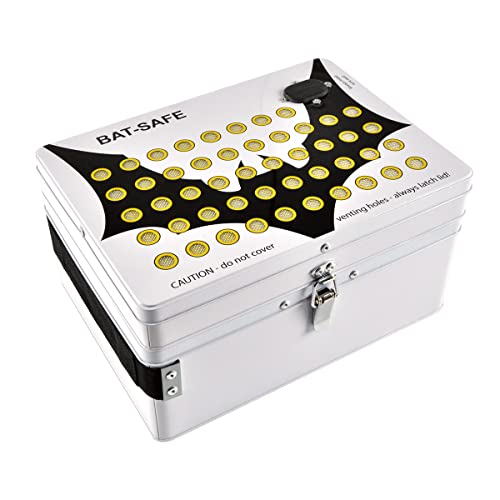
light weight only 4lbs

Tenergy large lipo zipper bag for charging and storing LiPO batteries, battery packs.

Lipo Bag Fireproof Material: The HOOVO LiPo Battery Bag is designed to withstand temperatures up to 1000°F (550°C), featuring a silicone-coated fiberglass outer layer reinforced with a heat-resistant barrier. The 600D inner layer integrates waterproofing and thermal insulation to ensure secure storage for lithium batteries. Note: If the temperature exceeds 1000°F, it is not 100% fireproof
Safe Distance From Flammable Materials

When storing LiPo batteries, maintaining a safe distance from flammable materials is vital for minimizing fire risks. Proper precautions enhance safe storage and mitigate fire hazards.
- Distance Recommendations: Maintain several feet between LiPo batteries and combustible items. This physical separation is critical in preventing ignitions.
- Storage Surfaces: Always place batteries on non-flammable surfaces such as concrete or metal. Avoid proximity to direct sunlight or heat sources.
- Ventilation: Confirm that storage areas are well-ventilated, keeping small openings for smoke evacuation.
- Avoid Combustibles: Refrain from storing batteries near flammable liquids, vapors, or materials that could escalate a fire’s intensity. Additionally, consider using automatic shut-off features to enhance safety during storage.
Maintaining Optimal Storage Charge Level

Maintaining an ideal storage charge level for LiPo batteries is essential for ensuring their longevity and performance. A suitable storage charge is about 40-60% of full capacity, translating to a voltage of around 3.8V per cell.
Why It Matters
- Cell Balancing: Utilizing chargers with a storage mode can help achieve the desired voltage while ensuring cells are balanced.
- Chemical Stability: Keeping batteries within the recommended voltage range minimizes chemical degradation, enhancing overall health. Additionally, battery type can affect performance and longevity, so it’s important to choose the right one for your needs.
Practical Tips
- Gently charge batteries below storage voltage or safely discharge those above it.
- Avoid rapid discharges, and let the battery rest coolly.
Understanding Voltage Limits for Storage
Understanding the voltage limits for storing LiPo batteries is essential for preserving their lifespan and performance. Ideal storage voltage lies between 3.7V and 3.85V per cell. Deviating from these voltage ranges can lead to severe degradation.
- Storage Thresholds: Below 3.2V risks permanent damage, while above 4.2V poses fire hazards.
- Battery Chemistry: Understanding your pack, like a 3S or 4S, determines total storage voltage.
- Cell Balancing: Confirm individual voltages are monitored for consistency.
Incorrect storage impacts performance, accelerating internal resistance. Regular voltage monitoring and the use of dedicated storage devices help maintain charge cycles while mitigating degradation factors. Adhering to these guidelines promotes safe storage and enhances overall battery lifespan, confirming your batteries remain reliable for future use. Additionally, employing techniques similar to light therapy options can further prolong battery health by ensuring optimal storage conditions.
Monitoring and Maintenance During Long-Term Storage
Regularly monitoring and maintaining LiPo batteries during long-term storage is essential for ensuring their performance and safety. Here are key practices to follow:
Recommended Products

【High Quality Material】- They are made of Triple-layer fireproof fiberglass fabric, supreme fire retardant fiberglass and PVC fiber outer layer, which enhance the fire resistance of the lipo battery charging bags and improve safety while charging.Stands up against fire and heat up to 3000℉.

Bag Material: Constructed from liquid silicone fireproof cloth, non-woven fabric, and glass fiber cloth, our Ovonic explosion-proof LiPo bag features internal fireproofing for enhanced safety.

Tenergy 2 pack 5.5x3.5x2inches lipo bags for charging and storing LiPO batteries and battery packs
Inspection Frequency
- Inspect batteries every 1 to 3 months to identify swelling, corrosion, or other damage.
- Use a multimeter to check voltage; aim for 3.8-4.0V per cell to maintain battery health.
Environmental Conditions
- Store in cool, dry areas, avoiding extreme temperatures and direct sunlight.
- Use fireproof containers to lower risks during unforeseen events.
Monitoring Tools
- Employ battery management systems (BMS) for real-time monitoring of charge and health.
- Regular data logging helps preemptively address issues, enhancing longevity.
Recommended Recharging Intervals
When it comes to optimizing the lifespan of LiPo batteries, establishing recommended recharging intervals is essential. Proper battery care can greatly enhance longevity and performance. Here are key guidelines based on usage frequency:
- Light to Moderate Use: Recharge at 50-70% capacity to avoid stress.
- Heavy Discharge: More frequent charging is necessary to prevent deep discharge.
- Infrequent Use: Cycle to storage voltage (~3.8V per cell) every few weeks.
- Fully Charged: Use or discharge batteries within the same day to prevent degradation.
Recommended Products

Safety Design: specially designed for the safe storage and transportation of lithium polymer batteries, the double zipper closure design ensures a tight seal, further enhancing safety

【Storage Charger and Discharger】VIFLY WhoopStor 3 is the first 1S LiPo charger with storage function. It includes both charging and discharging functions. Just select your target voltage, it will do it for you automatically.

【 HOOVO LiPo Battery Bag 】 : HOOVO LiPo Battery Bag is made of Triple-layer fireproof fiberglass fabric(supreme fireproof fiberglass&fire retardant no woven,coated with pvc fiber). Triple-layer guards enhances the fire resistance of the lipo battery charger bag, ensure your house or car safe! Withstand fire heat up to 1000 ℉(550 ℃). Note: If the temperature exceeds 1000 ℉, It is not 100% fireproof.
Safe Practices for Voltage Adjustment
Proper voltage adjustment is essential for maintaining the health and safety of LiPo batteries.
To guarantee safe practices, follow these key steps:
- Voltage Calibration: Always use a charger specifically designed for LiPo cells, keeping individual cell voltages between 3.0V and 4.2V.
- Monitor Conditions: Utilize a multimeter to check voltages before charging. Be vigilant for battery swelling, as this indicates potential hazards.
- Slow Recovery: If voltages drop below 2.5V per cell, employ a low current to safely increase the voltage before switching to a balance charge.
- Storage Guidelines: Aim to store batteries at approximately 3.8V to optimize lifespan, avoiding extremes that could lead to degradation.
Implementing these practices guarantees safer handling and sustained performance of your LiPo batteries.
Importance of Battery Usage Before Storage
Understanding the importance of using LiPo batteries before storing them is essential for anyone who relies on these power sources. Regular cycling is crucial to maintain battery health, as it helps bring the charge down to the recommended storage voltage of 3.8–3.85 volts per cell. This practice prevents over-voltage stress on cells and enhances shelf life.
When batteries are not used and left at high charge, they can suffer from increased self-discharge rates, leading to premature aging. Utilizing batteries frequently not only helps achieve a good voltage balance but also minimizes internal resistance build-up. By ensuring they are cycled before storage, users can effectively prolong battery longevity, thereby fostering a sense of belonging within the community of responsible LiPo battery users.
Effects of Depth of Discharge on Battery Life
The depth of discharge (DoD) greatly influences the life expectancy of LiPo batteries, making it essential for users to monitor how deeply they discharge their packs. Understanding the discharge impact on battery cycles can considerably enhance performance.
- Depth Cycles: LiPo batteries experience about 300 cycles at 100% DoD, while maintaining an 80% DoD increases this to 900 cycles. For peak longevity, a DoD of 10% can yield up to 15,000 cycles, highlighting the benefits of shallow discharges.
- Avoiding Deep Discharge: Keeping discharges above 20% state of charge prevents irreversible degradation. Regularly monitoring the DoD can maintain battery health and extend its usable life, ensuring a longer-lasting, reliable power source for all your needs.
Managing Temperature Effects on LiPo Batteries
While temperature might seem like an external factor, it plays an essential role in the performance and lifespan of LiPo batteries. Proper temperature monitoring is vital to safeguarding your battery investment.
High Temperatures
- Elevated heat accelerates chemical reactions, losing 6-10% capacity at 40°C.
- Increased internal resistance reduces power output, risking thermal runaway.
Low Temperatures
- Cold conditions diminish lithium ion activity, lowering performance.
- Short-term cold storage (0–5°C) can preserve capacity with minimal loss.
Optimal Storage
- Aim for 15°C to 25°C, reducing degradation and risks of swelling.
- Use thermal insulation to maintain this range, ensuring maximum battery lifespan.
These practices enhance battery longevity, allowing enthusiasts and casual users alike to enjoy their devices without worry.
Recognizing Signs of Battery Degradation
Recognizing signs of battery degradation is essential for maintaining the performance and safety of LiPo batteries. Observing visible and electrical performance indicators helps guarantee a longer battery lifespan. Key signs include:
- Physical Indicators: Puffiness, squishy cells, visible damage, and corrosion are red flags. Any unusual smells, like chemical odors, indicate potential risks and should prompt immediate action.
- Electrical Signs: Increased internal resistance over 20mΩ and imbalanced cell voltages indicate wear. Long charging times and voltage sag under load also reveal deteriorating performance.
- Thermal Symptoms: Excessive heat during charging or discharging, along with reduced flight times, signal capacity loss.
Discharging Techniques to Reach Storage Voltage
Discharging LiPo batteries to the appropriate storage voltage is a key step in prolonging their lifespan and guaranteeing safety. Efficiently managing discharge rates, typically set at 1C or lower, helps prevent overheating and potential damage.
Methodology for Discharging:
- LiPo Chargers: Use dedicated chargers with discharge features.
- Specifications: Set the cutoff voltage between 3.7V and 3.85V.
- Monitoring: Observe voltage and temperature throughout the process, stopping at the preset cutoff to avoid over-discharge.
These steps allow users to balance efficiency and safety effectively. After discharging, store batteries in cool, dry locations within fireproof containers to minimize risks. Keeping track of voltage during storage guarantees ideal health and performance for your batteries.
Recommended Products

Over charge voltage range: 4.25v±0.05v. Over discarge voltage range: 2.9v±0.05v. Max. working current 8A. Max peak current: 10A. Working current: 8.4V - 9V.

The BD250 is a powerful discharging device that allows the user to discharge a battery at up to 35 amps or 250 watts and also measures and compares the performance of batteries.

Built-in independent balancer & high precision charging, preventing overcharge and extending battery life.
General Safety Practices for Storing LiPo Batteries
Proper safety practices are essential when storing LiPo batteries to secure their longevity and minimize risks. Adhering to LiPo safety guidelines can considerably enhance battery lifespan.
Storage Environment Conditions
- Store batteries in a cool, dry place (20°C to 25°C) to prevent degradation.
- Keep batteries away from extreme temperatures and humidity.
Fire Safety Measures
- Utilize fireproof containers, avoiding flammable materials.
- Keep prepared fire extinguishing tools accessible.
Charge Level and Monitoring
- Store batteries at 40-60% charge, checking voltage regularly.
- Avoid swollen or damaged batteries.
Handling Guidelines
- Inspect for signs of deformation and disconnect after charging.
- Store batteries separately to prevent physical pressure.
These practices not only guarantee safety but also foster a community of responsible battery users.
Frequently Asked Questions
Can I Store Lipo Batteries in a Refrigerator?
Storing LiPo batteries in a refrigerator is inadvisable due to temperature effects and moisture concerns. Sudden temperature changes can lead to condensation, creating risks of corrosion and electrical shorts that compromise their safety and performance.
How Long Can I Leave Batteries in Storage Mode?
Batteries can remain in storage mode for up to six months, provided they are at 40–60% charge. Adhering to this storage duration can greatly enhance battery lifespan, nurturing a sense of responsibility and care among enthusiasts.
Is It Safe to Stack Multiple Batteries Together?
Stacking multiple batteries is not safe due to significant safety concerns. The risk of overheating, damage, and lack of ventilation increases. Proper separation and storage practices are essential to mitigate these hazards for battery enthusiasts.
Do I Need to Balance Charge Before Storage?
Yes, balance charging before storage is essential. It prevents voltage imbalance, ensuring battery longevity. Regular charging frequency, combined with balancing importance, fosters camaraderie among enthusiasts dedicated to ideal battery care and performance, enhancing their shared experiences.
What to Do if a Battery Swells During Storage?
If a swollen battery is discovered during storage, safety precautions must be taken. Stop using the device, disconnect the battery, and isolate it in a fireproof container away from flammable materials until proper disposal.

