As an Amazon Associate, we earn from qualifying purchases. Some links on this site are affiliate links at no extra cost to you. Our recommendations are based on thorough research and editorial judgment.


How To Record Cinematic FPV Footage

To record cinematic FPV footage, pilots must grasp essential flight movements, including pitch, roll, yaw, and throttle for precise control. Optimizing camera settings like shutter speed (double the frame rate), low ISO for clarity, and appropriate aperture supports high-quality visuals. Choosing lightweight carbon fiber drones, high-capacity LiPo batteries, and efficient brushless motors enhances maneuverability. Incorporating stabilization methods, like in-camera systems or post-production tools, guarantees smooth results. Mastering these elements will elevate cinematographic outcomes and reveal advanced techniques.
Key Takeaways
- Set your camera settings with a shutter speed of double your frame rate to achieve natural motion blur for cinematic quality.
- Utilize smooth and precise stick movements, coordinating pitch, roll, yaw, and throttle for fluid and stable aerial shots.
- Plan your flight paths and shot durations in advance, incorporating diverse angles and techniques to keep visual interest high.
- Employ composition strategies like the rule of thirds and leading lines to guide viewers’ attention and create engaging visuals.
- Incorporate sound design by syncing ambient noises and music to enhance the immersive experience of your footage.
You may be interested
Recommended Products

Hasselblad Main Camera - Mavic 3 Pro has a 4/3 CMOS sensor, 24mm format equivalent, f/2.8-f/11, 20 MP. The Hasselblad 4K drone camera supports shooting RAW photos with a dynamic range of up to 12.8 stops.

Imaging Above Everything - With a 4/3 CMOS Hasselblad Camera, the sensor provides a 12.8-stop dynamic range that retains more details in highlights and shadows, upgrading your work to a professional level..Max Flight Distance : 30 Km.Max Wind Speed Resistance : 12 m/s.Aircraft Operating Temperature : -10° to 40° C (14° to 104° F)

👍4K 60FPS High Frame-rate Camera: Create epic footage and wonderful underwater moments with V-EVO's upgraded camera system, achieving professional-class shots with ease and enhanced smoothness.
Understanding Essential FPV Movements
Understanding essential FPV movements is crucial for any drone pilot aiming to capture stunning cinematic footage. Mastering the control basics is the key to successful aerial cinematography.
- Pitch: Controls tilt, allowing for smooth dives or retreats.
- Roll: Moves the drone laterally, crucial for sweeping cinematic shots.
- Yaw: Rotates the drone about its vertical axis, helping change direction without lateral movement.
- Throttle: Adjusts altitude, controlling the drone’s ascent or descent.
Coordinating these essential moves allows pilots to craft complex trajectories while maintaining stable framing. By integrating pitch, roll, yaw, and throttle control, pilots can navigate their drones gracefully, ensuring a polished visual narrative that resonates with viewers, fostering a sense of connection with every scene captured. Additionally, understanding how ergonomic design in massagers can enhance comfort during long filming sessions can benefit pilots seeking prolonged use.
Recommended Products

AUTO CAST MAKES SEA FISHING SAFER AND EASIER; The fishing UAV has the most stable flight control system in the world. The flight control system used by Poseidon-480 PRO Ⅱ fishing drone is flight control IDF-9. This bait drone for sale plays a crucial role in ensuring the stability of flight control system of fishing UAV.
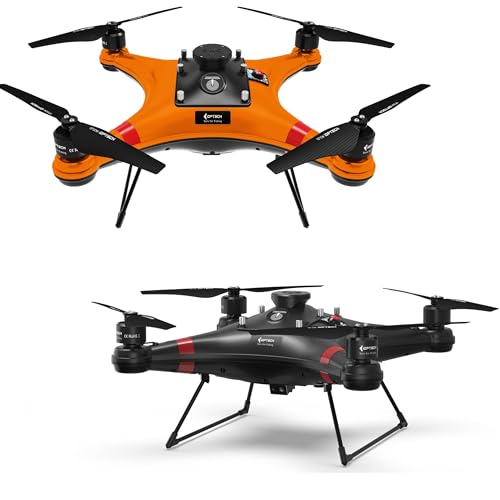
AUTO CAST MAKES SEA FISHING SAFER AND EASIER; The fishing UAV has the most stable flight control system in the world. The flight control system used by Poseidon-480 PRO Ⅱ fishing drone is flight control IDF-9. This bait drone for sale plays a crucial role in ensuring the stability of flight control system of fishing UAV.

True 360° Immersive Flight: Experience the Vision Goggles' massive 90° FOV, 66% wider than standard goggles*, with dual 1-inch Micro-OLEDs and Pancake optics that deliver uncompromised immersion. Its lightweight, 340g design with built-in diopter adjustment ensures a sharp, glasses-free view for every pilot.
Mastering Flight Techniques for Smooth Footage

Achieving smooth FPV footage requires pilots to master specific flight techniques that enhance stability and visual appeal.
Precise Stick Movements
Small, careful stick inputs lead to seamless footage, steering clear of jerky motions. Fluid movements reduce abrupt changes, providing a polished look.
Flight Path Planning
Strategically mapping out flight paths prevents unpredictable maneuvers, enabling smoother changes. Anticipating drone position rather than reacting guarantees graceful control during every shot.
Controlled Acceleration
Flying at a controlled pace, avoiding sharp turns, adds a cinematic touch. Embracing the “slow in, slow out” technique enhances changes, fostering visual harmony.
Spatial Techniques
Incorporating lateral movements creates depth, while dynamic flight paths add interest. Orbiting subjects smoothly allows for engaging perspectives that captivate the viewer. Through practice, pilots can elevate their footage to stunning new heights. Additionally, using tools like massage guns can aid in muscle recovery, enhancing a pilot’s endurance during long filming sessions.
Recommended Products

【Immersive Flight Experience】Feel the thrill of immersive flight provided by the DJI FPV Goggles V2 or DJI Goggles Integra and DJI FPV's super-wide 150° FOV for an ultra-smooth real-time view.

Ultra-Light, Palm-Sized Foldable Design - Compact and foldable, this palm-sized drone slips easily into a pocket and offers 42GB of internal storage for uninterrupted flying [7].

4K UHD CAMERA - Capture stunning ultra-clear 3840×2160 photos and smooth 4K videos with a 100° wide lens and 80° adjustable angle. The 2-axis gimbal with EIS ensures stable, shake-free footage, while panoramic shooting, time-lapse, and hand gesture selfie modes let you create professional content effortlessly.
Camera Settings for Optimal Cinematic Quality

What camera settings can make FPV footage truly cinematic? To accomplish this, focus on critical elements like shutter speed and ISO adjustments.
- Shutter Speed: Set your shutter speed to double the frame rate for natural motion blur. For 60 fps, use a shutter speed of 1/120. Maintaining a fixed shutter speed guarantees consistent exposure.
- ISO Adjustments: Keep your ISO at the lowest setting, usually ISO 100, to minimize noise. In low-light conditions, raise it cautiously, but excessive ISO can lead to grainy footage.
- Aperture Settings: Opt for a wider aperture for a shallow depth of field. This enhances the cinematic look, allowing for blurred backgrounds, emphasizing subjects effortlessly.
Incorporating safety features into your filming equipment can also elevate the overall quality and reliability of your shoots.
Together, these settings cultivate a clean, professional quality, elevating the cinematic essence of FPV footage.
Recommended Products

Experience the Thrill of Flying: Enjoy total immersion and intuitive control with DJI Avata. When you combine Avata with the goggles and motion controller, flight becomes accessible to all..Shutter Speed : Video: 1/8000-1/50 s, Photo: 1/8000-1/50 s. Video Format : MP4. Diagonal Distance : 120 mm.

INCLUDED: DJI RS 4 Pro Combo 3-Axis Gimbal Stabilizer | BG30 Battery Grip | Quick-Release Plates | Extended Grip/Tripod | Briefcase Handle | Lens Support | Ronin Image Transmitter | Focus Pro Motor | Phone Holder | Camera Control Cables | Charging & HDMI Cables | Carrying Case | DJI 1-Year Limited Warranty | KIT ACCESSORY: Condenser Shotgun Microphone

Intelligent Flight ModesSmart, reliable, and incredibly intuitiveQuickShotVideos with a Tap
Choosing the Right Equipment for FPV Drones

Frame Material: Opt for lightweight carbon fiber frames for durability and enhanced maneuverability, essential for smooth shots.
Motor Selection: High-quality brushless motors provide efficient power, capable of handling the weight of HD cameras without sacrificing flight time.
Battery Capacity: Using a high-capacity 4S to 6S LiPo battery guarantees longer flights, keeping your creativity flowing.
Propeller Design: Choose quieter tri-blade propellers to minimize vibrations and noise, enhancing video quality.
Camera Compatibility: Pair your setup with HD digital FPV systems for superior video transmission, achieving low-latency feeds perfect for cinematic captures.
Gimbal Stabilization: Incorporate damping mounts to further reduce vibrations for stable, cinematic footage. Additionally, consider models with longer battery life to ensure extended shooting sessions without interruptions.
Recommended Products
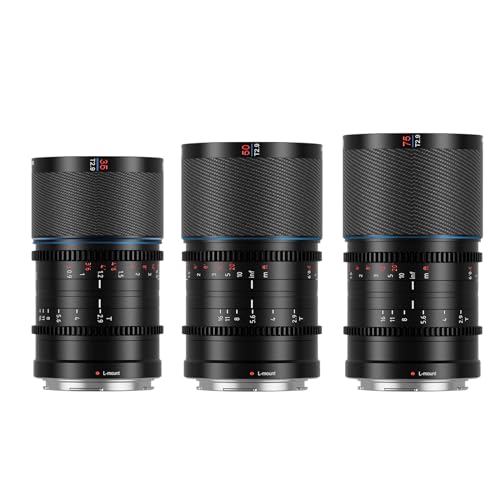
Tiniest and Lightest Carbon Fiber FF Lens: This 1.6x anamorphic lens is well-designed with spherical elements and carbon fiber construction to eliminate chromatic aberration and reduce overall lens size and weight, making it the lightest and tiniest on the market.

Tiniest and Lightest Carbon Fiber FF Lens: This 1.6x anamorphic lens is well-designed with spherical elements and carbon fiber construction to eliminate chromatic aberration and reduce overall lens size and weight, making it the lightest and tiniest on the market.

Tiniest and Lightest Carbon Fiber FF Lens: This 1.6x anamorphic lens is well-designed with spherical elements and carbon fiber construction to eliminate chromatic aberration and reduce overall lens size and weight, making it the lightest and tiniest on the market.
Exploring Creative Shot Types

How can FPV pilots elevate their storytelling through creative shot types? By exploring various techniques, they can craft visually compelling narratives that resonate with viewers.
Key Creative Shot Types:
- Reveal Shot: Starts close to a subject, gradually pulling back to disclose a broader scene, enhancing context through layering.
- Orbit Shot: Circles subjects smoothly, maintaining a consistent radius, perfect for dynamic highlights.
- Tracking Shot: Follows moving subjects at a steady distance, adding excitement and engagement.
- Fly-Through Shot: Navigates tight spaces for immersive experiences, showcasing unique perspectives.
- Top-Down Shot: Provides a bird’s-eye view, illustrating scale and relationships in the environment.
Additionally, incorporating techniques such as deep tissue massage can enhance relaxation and focus, allowing pilots to better capture their creative vision.
Composition Strategies for Engaging Footage
- Rule of Thirds: Position focal subjects along grid lines for engaging visuals.
- Leading Lines: Utilize roads or rivers to draw viewers in.
- Frame Within a Frame: Use doorways or tree branches for depth.
- Depth and Layers: Include both foreground and background elements for immersion.
Framing techniques also play an important role. Low angles create drama, while high angles can set the scene. Alternating between various altitudes maintains viewer interest. By mastering these strategies, FPV pilots can create cinematic experiences that resonate with their audience. Additionally, understanding effective pain relief techniques can help maintain focus and stamina during long filming sessions.
Practicing FPV Flight Skills
Practicing FPV flight skills is essential for any budding drone pilot looking to achieve cinematic excellence. Emphasizing FPV safety, pilots should begin with basic maneuvers like takeoff and landing in open areas, mastering altitude control and throttle management.
Key Focus Areas:
- Maneuver Precision: Practice smooth directional flights, ensuring control inputs are synchronized for stable turns.
- Aerial Awareness: Always maintain visual line of sight while scanning the environment for obstacles.
- Skill Assessment: Regularly evaluate progress; utilize FPV simulators to safely refine abilities without the risk of damage.
- Hurdle Avoidance: Develop spatial orientation and obstacle navigation skills through controlled slow flights before moving to speed.
These foundational exercises cultivate confidence, allowing for a seamless advancement into advanced maneuvers and cinematic storytelling.
Post-Production Techniques for Enhancing Footage
Post-production is the critical phase that transforms raw FPV footage into stunning visual narratives. The effective application of color correction techniques plays an essential role in this transformation. Filmmakers can adjust tones, shadows, and highlights to enhance mood, using cool tones for serene shots or warm tones for energetic scenes. Vignette effects subtly draw attention to the center, while balanced contrast preserves detail.
Next, sound design strategies further elevate the viewing experience. Integrating ambient sounds recorded during flights enhances immersion, while sound effects synchronized with drone movements can amplify energy. Balancing background music with natural sounds keeps audio clear. By harnessing these techniques, creators foster a stronger connection to their audience, making each flight an unforgettable visual journey.
Using Motion Blurs for Natural Flow
Motion blur serves as a pivotal technique in FPV cinematography, enhancing the natural flow of footage and bringing motion to life. The relationship between shutter speed and motion blur is essential. A shutter speed double the frame rate, like 1/50 second at 24 fps, achieves cinematic flow while avoiding ghosting.
Motion Blur Techniques:
- Intentional Camera Movement: Panning alongside moving subjects creates a dynamic blur, amplifying the sense of speed.
- ND Filters: They allow slower shutter speeds by reducing light, helping to sustain that cinematic blur even in bright daylight.
- Testing and Adjusting: Experiment with shutter speeds based on flight speed and lighting conditions to discover the perfect balance for stunning visuals.
These techniques guarantee FPV footage remains immersive and beautifully engaging.
Utilizing Stabilization Methods
Utilizing effective stabilization methods is essential for achieving professional-quality FPV footage. Two primary approaches exist: in-camera stabilization and post production techniques.
- In-Camera Stabilization: Technologies like DJI Rocksteady and GoPro’s HyperSmooth offer smooth footage straight from the camera, reducing editing time. These methods let you focus on quick sharing, although they might crop the field of view.
- Post Production Techniques: Software such as Gyroflow allows precise stabilization using gyro data, enabling fine-tuning for smoother results. Advanced controls adjust cropping and stabilizing strength, ensuring high-quality output.
Combining these strategies can create visually stunning footage. While in-camera options simplify, post-production provides opportunities for detailed control, making each shot truly cinematic.
Adjusting Flight Paths for Better Visual Continuity
Smooth and alluring FPV footage goes beyond stabilization; it also requires a well-planned flight path. Adjusting flight paths for better visual continuity involves dynamic path optimization and effective obstacle avoidance strategies.
Critical Path Nodes
Utilizing critical path nodes helps minimize redundancy, guaranteeing a seamless visual flow while shooting.
Real-Time Adjustments
Engage reinforcement learning models to adapt flight paths based on environmental changes. This guarantees consistent and smooth shifts throughout the mission.
Obstacle Management
Incorporate real-time obstacle detection algorithms, updating paths as needed with gradual corrections. This approach prevents jarring movements, helping enhance cinematic quality.
Analyzing Expert FPV Techniques
Expert FPV techniques can transform ordinary footage into jaw-dropping cinematic experiences. Utilizing innovative angles and advanced filming methods elevates storytelling and captivates audiences. Here are some key techniques:
- Orbit: Circle around a subject to create a dynamic depth using the parallax effect, ensuring slow and steady movement.
- Lead Track: Maintain distance while flying backward in front of a moving object, enhancing continuity.
- Vertical Reveal: Fly straight up to reveal impressive landmarks, providing impactful changes.
- Reveal Shots: Use tilt-ups or low ascents to disclose landscapes dramatically.
Planning Effective Drone Missions and Shot Durations
How can one effectively plan drone missions to capture stunning cinematic footage? Start by defining mission objectives that align with narrative goals. Create a detailed shot list, incorporating various types of shots like reveals and tracking sequences. Conduct an environmental evaluation, guaranteeing compliance with drone regulations and determining location safety.
Utilize storyboarding techniques to visualize the shots, and scout locations for ideal features and safe takeoff zones. Prioritize battery management by planning shot durations wisely, typically keeping them between 5 to 15 seconds. Confirm crew communication throughout the mission to maintain flight safety and synchronize shot timing effectively. With these essentials, each drone flight transforms into a well-orchestrated journey toward breathtaking footage.
Frequently Asked Questions
What Are the Best Conditions for Flying FPV Drones?
What defines the best conditions for flying FPV drones? Ideal weather conditions include clear skies, minimal wind, and moderate temperatures, while choosing scenic flight locations enhances the experience, inviting enthusiasts to share unforgettable aerial adventures together.
How Can I Improve My Drone Piloting Skills Quickly?
To improve drone piloting skills quickly, individuals should focus on consistent practice techniques and challenging flight maneuvers. Engaging with a community for feedback and participating in targeted drills accelerate development and foster a sense of belonging.
What Regulations Should I Consider When Flying FPV Drones?
When flying FPV drones, one must consider drone regulations and airspace restrictions. Compliance with FAA rules, registration, and certification is essential for safety and legality while ensuring a sense of shared responsibility among fellow enthusiasts.
How Can I Protect My Drone During Shoots?
Protecting a drone during shoots involves utilizing protective gear and securing drone insurance. While some might overlook this, emphasizing safety not only prevents damage but fosters a sense of community among responsible drone enthusiasts who cherish their equipment.
What Are Common Mistakes to Avoid When Filming With FPV Drones?
Common mistakes when filming with FPV drones include incorrect frame rate selection and poor gimbal settings. Additionally, neglecting proper planning and camera angles can lead to chaotic footage, impacting the overall cinematic experience desired by viewers.