As an Amazon Associate, we earn from qualifying purchases. Some links on this site are affiliate links at no extra cost to you. Our recommendations are based on thorough research and editorial judgment.


FPV Drone FAQs: Analog Vs. Digital FPV: Which Is Better For Me?

Analog and digital FPV systems each offer unique advantages. Analog systems are cost-effective, starting around $100, with low latency and robust signal quality, ideal for racing and complex environments. Digital systems, beginning at $600, provide enhanced image clarity with resolutions up to 1080p but can suffer from latency of 30-50 milliseconds. Beginners often prefer analog for affordability, while filmmakers gravitate towards digital for cinematic visuals. Understanding these differences allows users to select the best option for their flying style. Explore further to uncover more insights.
Key Takeaways
- Choose analog FPV for lower costs and simpler setups, ideal for beginners and racers who need low latency.
- Opt for digital FPV if you prioritize high-definition video and superior image quality for cinematic flights.
- Analog systems provide better signal stability in complex environments, while digital systems excel in open areas with less interference.
- Compatibility issues may arise; ensure components are designed to work together for optimal performance in either system.
- Consider your use case: racing favors analog, while filmmaking and immersive experiences lean towards digital technology.
What Are Analog and Digital FPV Systems?
You may be interested


In the world of FPV (first-person view) drone racing and aerial photography, understanding the differences between analog and digital FPV systems is essential for enthusiasts and professionals alike.
Analog FPV Systems
- Transmit raw analog signals, continuously varying in amplitude.
- Well-established since the 1970s, they operate primarily on the 5.8GHz band.
- Provide lower resolution and image quality, with video directly from the drone’s camera to goggles.
Digital FPV Systems
- Use digital encoding to convert video into binary data before transmission.
- Emerging in the last decade, they deliver high-definition video for enhanced clarity.
- Also operating on the 5.8GHz band, popular brands include DJI and Walksnail.
Both types cater to different user preferences, balancing cost, compatibility, and performance. Additionally, understanding the importance of user-friendly interfaces can help users select systems that enhance their overall flying experience.
How Do Signal Transmission Qualities Differ?

How does the quality of signal transmission vary between analog and digital FPV systems?
- Range and Reach: Analog systems often exceed 20 km under ideal conditions, maintaining usable signals despite some signal degradation. Digital systems, however, have effective ranges around 2 km, experiencing a sharp cutoff when the signal is too corrupted.
- Latency: Analog showcases very low latency, under 20 milliseconds, suitable for racing. In contrast, digital systems typically range from 30 to 50 milliseconds, due to processing demands.
- Interference Handling: Analog signals suffer from gradual degradation, showing static and fuzz with distance. Digital systems utilize error correction for better resistance against interference sources, though they may face abrupt signal loss. Additionally, the importance of adjustable settings in both systems can influence user experience and adaptability during flight.
Understanding these differences helps pilots choose what’s right for their flying experience.
What Is Image Quality Like in Each System?

While both analog and digital FPV systems serve the common purpose of providing a view from the drone’s perspective, their image quality sets them apart considerably.
Digital Clarity
- Digital FPV systems, like DJI and Walksnail, offer superior image quality that is crisp and vivid, resembling footage from a GoPro.
- With resolutions often reaching 720p or 1080p, they maintain vibrant color reproduction and dynamic range, enhancing the flying experience. Additionally, digital systems promote blood circulation and provide a more immersive flying experience by minimizing latency.
Analog Warmth
- In contrast, analog systems produce grainier images with lower resolution, reminiscent of old television broadcasts.
- They exhibit a gradual degradation of image quality but impart a warmth that some pilots find nostalgic.
Ultimately, the choice depends on individual preferences for clarity versus comfort in image quality.
How Does Latency Affect Flying Experience?

Latency considerably impacts the flying experience of FPV drone pilots, as the delay between what the camera captures and what appears in the pilot’s goggles can make or break their control and responsiveness.
- Pilot Confidence: Lower latency fosters a stronger connection between the pilot and drone, enhancing confidence during intricate maneuvers.
- Control Precision: Quick visual feedback allows for sharper adjustments, essential for racing or freestyle flying.
Higher latency, particularly from digital systems, forces pilots to anticipate movements, increasing collision risk. Even small latency differences—10-20 ms versus 30-50 ms—can be noticeably different for many pilots. Ultimately, choosing a system with effective latency is critical for elevating the flying experience, ensuring pilots feel in sync with their drones while maneuvering through challenging courses. Additionally, understanding battery life and charging times can help pilots choose the right equipment for their needs.
Which System Offers Better Responsiveness?

Which system offers better responsiveness for FPV drone pilots? When considering analog and digital FPV systems, analog often edges out in responsiveness.
- Latency: Analog systems maintain a lower latency of around 10-20ms, providing quick frame updates and immediate pilot feedback. In contrast, digital systems usually experience 20-50ms latency, with potential spikes during weak signals.
- Signal Stability: Analog continues transmitting despite signal degradation, ensuring uninterrupted control. However, digital systems may freeze under suboptimal conditions, impacting responsiveness.
- Pilot Preference: Some pilots prefer the immediate interactions offered by analog, especially for tight maneuvers. While digital provides stunning visuals, the underlying responsiveness may lag behind, influencing pilot experience in dynamic flying situations. Additionally, green light therapy devices have been noted for their effectiveness in reducing anxiety, which could also benefit pilots needing to stay calm during flights.
What Are the Cost Differences Between Systems?
Cost differences between analog and digital FPV systems can be substantial, often markedly influencing a pilot’s equipment choices.
Recommended Products

Immersive & User-Friendly Gear: The Aquila20 FPV Kit includes the comfortable, glasses-friendly VR04 Goggles with one-button recording and up to 2 hours of standby(micro card excluded). The LiteRadio 4 SE Transmitter offers precise control, Bluetooth connectivity for simulators, and 8+ hours of battery life. Together, they provide a seamless, high-quality FPV experience right out of the box
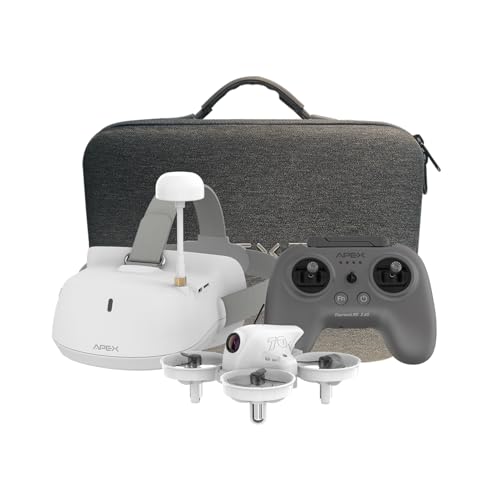
【New Upgrade】Trainer Mode:Two 129 remote controls are used together.No More Crash! Instructor Takes Over Remotely for Beginners.Turtle Mode:The drone automatically flips back to its normal attitude after a crash to avoid being immobilized like a turtle. Anti-loss Beeper:Buzzer sounders BB on disconnection.Flight Data Recorder:Black box video automatically backs up 30 seconds before landing.Optical Flow Fixed Point.Purchase a drone and get a free video tutorial for beginners!
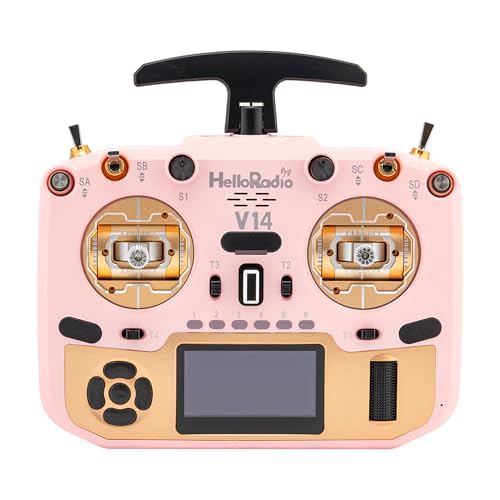
🎮 Precision CNC Hall Sensor Gimbals 🎮 Enjoy buttery-smooth control with aircraft-grade CNC Hall effect gimbals, offering enhanced durability, ultra-fine stick resolution, and responsive movement. Designed for pro-level accuracy in high-speed FPV drone flying.
Pricing Overview
- Analog Systems: Start around $100, featuring lower-cost components like cameras and transmitters (e.g., TBS Unify Pro at $50).
- Digital Systems: Generally begin at $600, costing more due to advanced technology, with standout models like the DJI digital VTX priced at $179.
Budget Considerations for Users
- Alternative Systems: Beginners often choose analog for affordability; racers prefer it for low latency and cost efficiency.
- Multi-Drone Setup: Digital can exceed analog by $1290 if equipping multiple drones, emphasizing the importance of careful budgeting. Additionally, understanding the importance of safety features in both systems can guide pilots toward making informed decisions.
Understanding these costs helps pilots find the right fit for their flying experience.
Which Is More Accessible for Beginners?
How accessible is FPV drone flying for beginners? When evaluating user experience, analog FPV systems emerge as a frontrunner. Their simplicity and plug-and-play nature make initial setups effortless, reducing the learning curve for those new to the hobby. In contrast, digital systems often necessitate extensive configuration, which can overwhelm inexperienced users.
Key points include:
- Cost: Analog gear is considerably cheaper, often under $100. This low cost allows beginners to explore basic flying without a hefty financial commitment.
- Community Support: Analog has a rich library of tutorials and active forums, offering beginner insights and support.
- Compatibility: Analog systems use universal frequencies, ensuring easier access to parts and upgrades.
In essence, analog FPV provides a welcoming starting point for newcomers.
Recommended Products

Package Dimensions: 188.0 mm (L) x 150.0 mm (W) x 54.0 mm (H)

𝐘𝐨𝐮𝐫 𝟏𝐬𝐭 𝐃𝐈𝐘 𝐃𝐫𝐨𝐧𝐞 - F450 is the best DIY quadcopter drone for both beginners to learn the basics and experts to conduct research or secondary development.
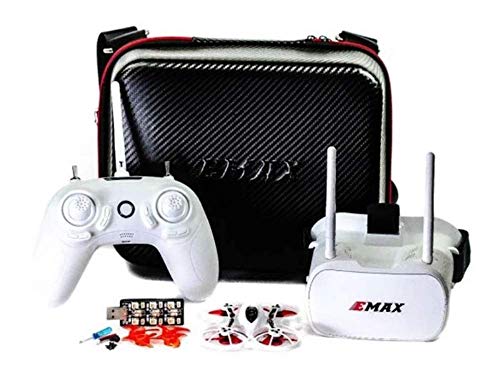
Kit in cludes FPV goggles, Controller and Tinyhawk drone, all ready to fly!
How Do Size and Weight Impact Drone Performance?
What factors should be considered when evaluating how size and weight influence drone performance? Size and weight dramatically affect a drone’s flight time and maneuverability.
Flight Time
– Increased weight demands more power, leading to shorter battery life. For instance, a 10% weight increase can cut flight time by 20-30%.
Thrust-to-Weight Ratio
– A balanced thrust-to-weight ratio, ideally around 2, guarantees stable flight. Heavier drones require more thrust, which can decrease agility and increase instability.
Drone Design and Weight Optimization****
– Effective drone designs account for payload and battery placement, guaranteeing balance and performance. Weight optimization minimizes energy consumption, enhancing endurance and overall capability.
When selecting a drone, understanding these elements can enhance flying experiences and performance. The right choice fosters a sense of belonging in the drone community.
Are There Compatibility Issues Between Components?
Understanding how size and weight affect drone performance is essential, but equally important is recognizing compatibility issues between drone components. FPV enthusiasts often face compatibility challenges when mixing different systems, particularly between analog and digital setups.
Component Integration Considerations:
- Analog cameras and digital systems, like DJI and HDZero, operate on distinct protocols, preventing any crossover.
- Using an analog camera with a digital VTX or receiver can lead to complete signal failure or severe distortion.
- Certain flight controllers are tailored to specific digital systems, complicating integration with other components.
Navigating these compatibility hurdles is vital for the best performance, ensuring each element in an FPV system works seamlessly together and enriches the flying experience. Make informed choices to avoid common pitfalls and enjoy your FPV journey!
Recommended Products
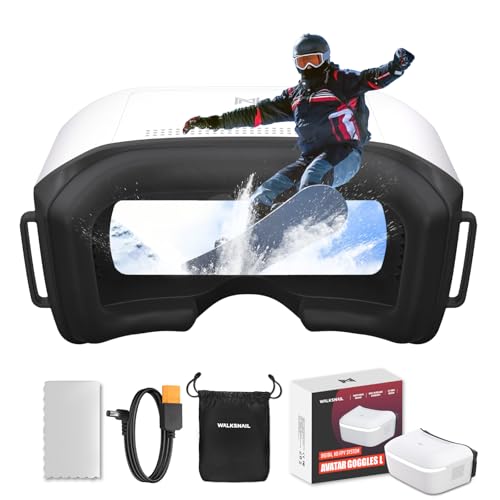
Immersive 1080P HD Display & Futuristic Design: Experience a crystal-clear 1080P 4.5-inch screen with sharp, distortion-free visuals. The sleek design with a built-in LED light bar adds a modern, high-tech touch, making every flight feel more cinematic

Upgraded High-Efficiency Recording – Capture smooth, high-quality video with advanced compression and 60fps frame rate, preserving detail while reducing file size. Perfect for FPV recording or archiving vintage footage

For any 5.8Ghz FPV Transmitters: Built-in super sensitiveness 5.8GHz 40ch receiver, you can get a real-time video return in very low time delay.
What Are Ideal Use Cases for Each System?
In the world of FPV drones, recognizing the ideal use cases for analog and digital systems can considerably enhance the flying experience.
Analog Advantages:
- Budget-Friendly: Analog components are priced between $12-$40, making them perfect for cost-conscious pilots.
- Versatility: Fits various drone types, from TinyWhoops to long-range models.
- Low Latency: Essential for racing and speed flying, offering quick responsiveness.
- Complex Environments: Superior signal penetration for flying through obstacles like forests.
Digital Advantages:
- High Definition: Delivers stunning HD visuals, ideal for cinematic flights.
- Signal Stability: Clean video in open areas enhances reliability.
- Advanced Integration: Beneficial for pilots using the DJI ecosystem.
Choosing the right system can foster a deeper connection to the FPV community.
Recommended Products

Unlock Adrenaline-Pumping Immersive Flying - Prompt visual feedback through goggles as if you were right there in the cockpit, enjoying a breathtaking perspective, pure thrill and total freedom.

DJI FPV FLY MORE KIT: It is designed for those who want to extend and guarantee the flight time of their drone, thanks to the two smart batteries and the multiple charging station included

Immersive 1080p Ultra-Wide Screen with 50° FOV: Dual 1920×1080 HD displays offer vivid colors and crisp detail. The expansive 50° field of view surrounds your vision for a fully immersive FPV experience—perfect for racing, freestyle, and cinematic flying
How Do I Choose Based on My Flying Style?
How can a pilot determine the right FPV system based on their unique flying style?
Consider Flight Responsiveness:
- Analog FPV systems offer lower latency around 15 milliseconds, which is ideal for fast-paced flying styles like racing or freestyle.
- Digital FPV systems provide high-resolution images but may have noticeable latency, better suited for casual flying.
Evaluate Image Quality:
- Digital excels in image clarity and dynamic range, beneficial for pilots capturing cinematic footage.
- Analog may deliver grainy visuals but offers continuous feeds with fewer disruptions.
Reflect on Environment:
- Analog thrives in dense areas with better signal penetration.
- Digital requires clearer lines of sight but results in stunning visuals in open spaces, aligning with specific pilot preferences.
Recommended Products

SMART TECH THAT FLIES FOR YOU: Our camera drone AI-assisted features like Follow Me and Obstacle Avoidance for beginners make it easy to capture smooth aerial shots; this 4k drone has automatic Precision Return-to-Home to ensure a safe landing in unexpected situations

𝐘𝐨𝐮𝐫 𝟏𝐬𝐭 𝐃𝐈𝐘 𝐃𝐫𝐨𝐧𝐞 - F450 is the best DIY drone for both beginners to learn the basics and experts to conduct research or secondary development.

Unique DIY Drone: This DIY drone integrates advanced optical flow positioning modules, video modules, and high-power brushless motors. You need to complete everything from every single screw to the overall assembly, and the assembly takes approximately 1.5 hours. It is recommended for users over 14 years old. Difficulty level: 5 stars (out of 5 stars).
What Are Current Market Trends in FPV?
The FPV drone market is experiencing remarkable growth, with projections indicating a potential reach of nearly USD 2.55 billion by 2032. Current trends reveal an increasing demand driven by technological advancements and broader applications.
Key Highlights:
- Market Growth: Valued at USD 287.72 million in 2026, with a CAGR of approximately 31.38% expected.
- Geographical Insights: North America leads due to favorable regulations, while the Asia Pacific region shows the fastest growth potential, expanding recreational use.
- Applications: Hobbyists dominate, but filmmakers and professionals increasingly seek high-quality drones for creative projects. Commercial sectors utilize FPV drones for inspections and data collection.
These trends illustrate the community’s expanding acceptance and engagement with FPV technology, fostering a collective passion among enthusiasts and professionals alike.
What Are the Future Prospects for Analog and Digital FPV?
What future prospects await the world of analog and digital FPV drones? Advancements in both domains promise to reshape the FPV landscape.
- Analog Advancements: Though valued for simplicity and cost-effectiveness, analog technology will see improvements, particularly in latency and signal resilience, making it a reliable choice for drone racing and interactive experiences.
- Digital Innovations: Digital systems are rapidly gaining ground with superior image quality and new capabilities. Innovation is anticipated in AI integration, augmented reality features, and longer, more efficient battery life.
Expect exciting developments in user-friendly, customizable designs that cater to both casual enthusiasts and professional applications. As costs decrease over time, a wider audience may embrace these advancements, fostering a vibrant community of FPV pilots.
Frequently Asked Questions
Can I Upgrade an Analog System to Digital Later?
Upgrading from analog to digital is possible but requires extensive investment. The analog to digital changeover often entails significant upgrade cost considerations, as entire systems typically need replacement to achieve the desired advanced capabilities and quality.
What Are Common Brands for Analog FPV Equipment?
Common brands for analog FPV equipment include Fat Shark, Caddx, EMAX, Holybro, and Blue UAS. These brands excel in racing drones and camera quality, fostering a sense of community among enthusiastic FPV pilots.
Are Digital FPV Systems Compatible With Legacy Analog Gear?
Digital FPV systems are generally not compatible with legacy analog gear due to digital transmission’s proprietary nature and analog limitations. Users seeking seamless integration must maintain separate setups, limiting interoperability across these two technology types.
How Do I Maintain My FPV Equipment for Longevity?
To maintain FPV equipment for longevity, one must embrace battery care, lens cleaning, antenna upkeep, and firmware updates. Each practice harmonizes the drone’s performance, fostering a sense of belonging within an enthusiastic flying community.
What Should I Consider When Choosing FPV Goggles?
When choosing FPV goggles, one should prioritize the field of view for immersion and assess comfort level to guarantee enjoyable experiences during long flights. Balancing these factors fosters a sense of belonging in the FPV community.