As an Amazon Associate, we earn from qualifying purchases. Some links on this site are affiliate links at no extra cost to you. Our recommendations are based on thorough research and editorial judgment.

What Is A Cinewhoop” And What Is It Used For?”

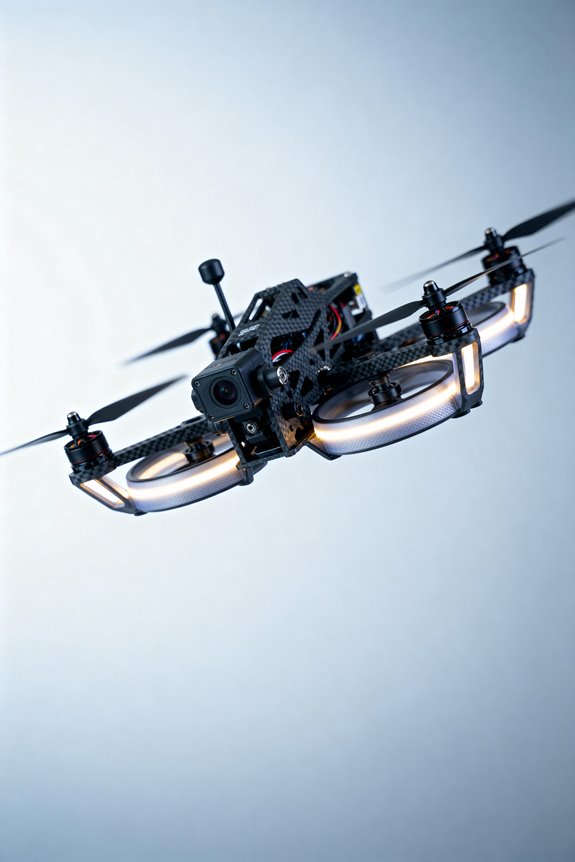
A cinewhoop is a micro drone engineered for cinematic photography and videography. It features 3-inch ducted propellers that provide enhanced stability and safety during flight. This enables high-definition video capture in tight spaces and indoor environments, ideal for filmmakers. The design includes lightweight materials, protective propeller ducts, and low center of gravity, allowing smooth maneuvers. These drones excel in applications like real estate and events, making them versatile tools for creative filming. More intriguing insights await for those interested.
Key Takeaways
- A cinewhoop is a micro drone designed for cinematic filming, featuring 3-inch ducted propellers for safety and stability.
- They capture high-definition video, making them ideal for filmmakers, real estate videography, and dynamic event coverage.
- Cinewhoops have protective propeller ducts ensuring safe flight around people and objects, suitable for indoor and tight spaces.
- Their lightweight design and advanced flight controls contribute to precise maneuverability and longer flight times during filming.
- The growing popularity of cinewhoops is driven by their versatility, affordability for independent creators, and innovative filming techniques.
Definition and Core Characteristics of Cinewhoops
You may be interested

10 Best Micro Drone Cameras of 2026 - Capture Stunning Aerial Shots
November 18, 2025

Are Racing Drones Good For Beginners?
November 18, 2025

FPV Drone FAQs: Analog Vs. Digital FPV: Which Is Better For Me?
November 18, 2025
Cinewhoops represent a fascinating innovation in the world of micro drones, tailored specifically for capturing stunning cinematic footage. These compact drones utilize advanced Cinewhoop technology, featuring 3-inch propellers encased in protective ducts. This design guarantees safety while enabling smooth, stable flights, essential for effective filming techniques.
Core Characteristics:
- Safety: Propeller ducts protect against damage, allowing flights close to subjects.
- Stability: Lower power-to-weight ratio permits controlled maneuvers and stable hovering.
- Versatility: Ideal for indoor environments and tight spaces, perfect for real estate or narrative filmmaking.
Cinewhoops’ ability to produce high-definition video footage makes them popular among filmmakers, vloggers, and content creators seeking unique, immersive perspectives. Their blend of safety and cinematic quality creates an inviting space for aspiring pilots. Additionally, these drones are known for their customizable speed levels, which enhance the filming experience by allowing precise control during aerial shots.
Design Features and Flight Performance

The design of cinewhoop drones incorporates advanced engineering to enhance both flight performance and user experience.
Recommended Products
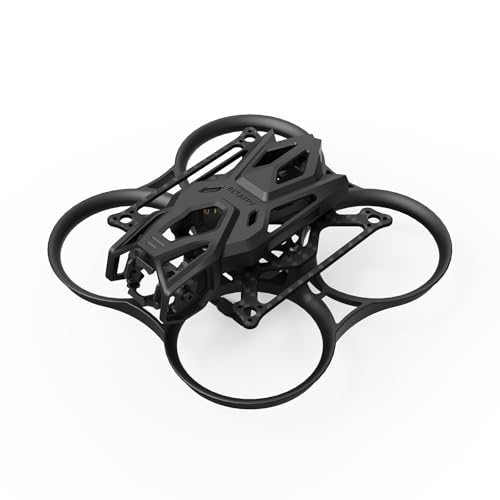
Pavo Femto Frame Kit: The Pavo Femto brushless whoop frame is designed for performance and durability, offering a 4% thrust increase in a compact structure. It features improved connections between the whoop duct and carbon fiber plate with added supports and limits for secure assembly. Optimized for the DJI O4 Air Unit, it includes a reinforced protective structure for the circuit board

【Ultra-Light Carbon Fiber】187.78g frame with 2.0mm top/1.5mm bottom plates balances durability and agility for competitive racing. NOTE: Drone Frame Only, Does not include 3D printed parts, batteries, motors, or other electronic components.
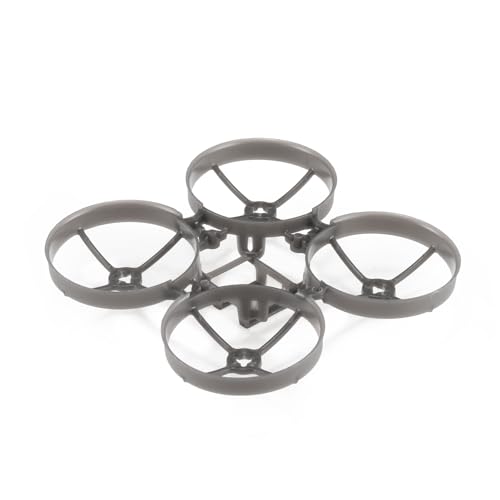
Happymodel Mobula7 Moblite7 V4 Frame 75mm Wheelbase Micro FPV Racing Quadcopter Frame for Mobula 7 Moblite 7 HD Indoor Cinewhoop 0703/0802/0803 Motor Crazybee F3 F4, Diamond F4 Flight Controller(1PCS)
Propeller Design
Cinewhoops feature ducted propellers that improve lift and stability, surpassing standard guards. Made from ultra-light carbon fiber, these designs use precise clearances to optimize flight.
Weight Distribution
Their low center of gravity guarantees stability by strategically placing the camera and electronics. The compact, “pusher” frame enhances thrust efficiency, allowing for longer flight times while keeping payload capacity manageable.
Performance
With motors ranging from 3100 KV to 4500 KV, cinewhoops achieve agile flying and noise reduction. Advanced flight controllers and stabilization features, like Turtle mode, enable smoother cinematic experiences, making them perfect for capturing stunning footage in confined spaces. Additionally, the ergonomic designs of these drones ensure user comfort during extended flying sessions.
Safety and Practical Applications

In various professional and creative contexts, safety remains a paramount concern when operating drones. Cinewhoop drones exemplify this commitment to safety through innovative design and features.
- Propeller Guards: Designed with durable, flexible materials, these guards minimize injury risk when flying close to people or delicate objects.
- Manual Control: While requiring pilot skill, the absence of GPS aids in risk mitigation, preventing issues indoors where sensors may fail.
- Safety Protocols: Advanced models include systems like Emergency Brake and Failsafe Return to Home, enhancing safe operation.
Ideal for tight spaces, Cinewhoops are popular for real estate videography and dynamic event capture, providing safer flight experiences than larger commercial drones, making them invaluable tools in creative shooting environments. Additionally, the safety protocols implemented in these drones further ensure their reliability during operations, enhancing user confidence.
Cinematic Use Cases and Advantages

As safety features enhance the appeal of Cinewhoop drones in various environments, their cinematic capabilities further elevate their status in the film and video production world. Mastering the art of capturing crisp, high-definition footage, Cinewhoops utilize 3″ propellers and ducted designs for smooth navigation.
Cinewhoop Advantages:
- Compact and Lightweight: Easily transportable, they fit multiple units in a single backpack, ideal for on-the-go filmmakers.
- Precision Maneuverability: Designed for slow, steady flight, they navigate tight spaces, allowing for unique angles that larger drones can’t achieve.
- Versatile Camera Compatibility: The ability to carry action cameras like GoPros enhances their cinematic applications, making them perfect for real estate, weddings, and creative storytelling.
These features make Cinewhoops an indispensable tool for capturing stunning audiovisual content. Additionally, their user-friendly features provide filmmakers with an easy way to operate and customize their filming experience.
Comparison With Other FPV Drones

When comparing Cinewhoop drones to other first-person view (FPV) models, key differences become evident regarding design, flight performance, camera capabilities, and safety features.
Design Differences
Cinewhoops utilize 3-inch ducted propellers, enhancing safety and maneuverability in narrow spaces. In contrast, standard FPV drones vary from 2 to 7 inches, often lacking prop protection.
Flight Performance
Cinewhoops prioritize controlled, stable flight, making them ideal for capturing cinematic footage. Meanwhile, standard FPV drones are built for speed and agility, emphasizing acrobatic maneuvers.
Camera Quality
Cinewhoops can carry heavier action cameras, delivering high-definition video, while many FPV drones focus on lighter, lower-quality options. Additionally, the multiple heat settings of some drones allow for customized filming conditions, enhancing the quality of captured footage.
Safety Features
Cinewhoops’ design considerably reduces injury risk, enabling confident flying in crowded or tight environments, a notable advantage over standard FPV drones.
Recommended Products

FPV drone backpack plug-in accessories bundle mount hanging buckle

【𝐋𝐢𝐠𝐡𝐭𝐰𝐞𝐢𝐠𝐡𝐭 𝐚𝐧𝐝 𝐋𝐞𝐯𝐞𝐥-𝟓 𝐖𝐢𝐧𝐝 𝐑𝐞𝐬𝐢𝐬𝐭𝐚𝐧𝐜𝐞】ATOM SE drone weighs 𝐥𝐞𝐬𝐬 𝐭𝐡𝐚𝐧 𝟐𝟒𝟗𝐠, 𝐧𝐨 𝐧𝐞𝐞𝐝 𝐟𝐨𝐫 𝐅𝐀𝐀& 𝐑𝐞𝐦𝐨𝐭𝐞 𝐈𝐃 𝐑𝐞𝐠𝐢𝐬𝐭𝐫𝐚𝐭𝐢𝐨𝐧. The fold-up design packs up small enough to fit in a jacket pocket. Built-in 𝐛𝐫𝐮𝐬𝐡𝐥𝐞𝐬𝐬 𝐦𝐨𝐭𝐨𝐫 makes the drone 𝐫𝐞𝐬𝐢𝐬𝐭 𝐥𝐞𝐯𝐞𝐥-𝟓 𝐰𝐢𝐧𝐝 and fly stably
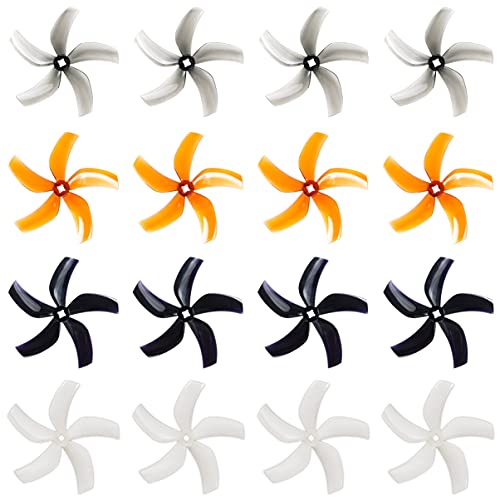
【Performance】Less noise, bigger thrust, higher efficiency for 3.5 inch cinewhoop quad.
Trends in the Cinewhoop Community
The Cinewhoop community has experienced remarkable growth and enthusiasm in recent years, drawing in both filmmakers and FPV hobbyists keen to explore cinematic possibilities. This surge is largely driven by new models like the Axisflying Cineon 35 V3 and DJI Avata 2, enhancing accessibility and performance.
- Community Growth: Online platforms enable knowledge sharing, facilitating wider participation.
- Creative Collaborations: Partnerships between drone pilots and film professionals are on the rise, leading to innovative projects.
- Safety and Stability: Cinewhoops, praised for stable indoor/outdoor use, are becoming preferred over larger drones, allowing for a more immersive filming experience. Additionally, the growth of community-driven collaborations fosters new opportunities for creative content creation.
Ideal Environments for Cinewhoop Filming
Cinewhoop drones thrive in a variety of filming environments, each offering unique opportunities for capturing stunning visuals.
Indoor Filming
Ideal for tight spaces like warehouses or studios, these drones navigate narrow corridors and doorways with ease. Controlled lighting guarantees consistent image quality and reveals intricate architectural details.
Outdoor Adventures
Cinewhoops excel in natural settings, flying through trees and gardens. While calmer weather boosts stability, the shifts in natural lighting can enhance creative storytelling.
Mixed Spaces
Transitional environments, such as event venues, allow seamless movement between indoor and outdoor filming. This versatility showcases context and scale, although it requires skillful battery management.
Selecting the Right Cinewhoop for Your Needs
Selecting the right cinewhoop for specific filming needs can considerably enhance the quality and creativity of aerial footage captured. Consider these important factors:
- Payload Capacity: A larger model can carry higher-quality cameras, while smaller options excel in indoor performance.
- Camera Compatibility: Make sure the cinewhoop supports your desired camera, factoring in weight and balance for peak flight.
- Battery Life: Heavier cinewhoops may have shorter flight times but offer improved stability.
- Stabilization Features: Advanced flight controllers guarantee smooth footage, vital for high-quality shots.
- Frame Materials: Durable frames withstand crashes and protect sensitive components.
- Modular Design: Quick replacement parts support extended use, enhancing reliability during shoots.
Recommended Products
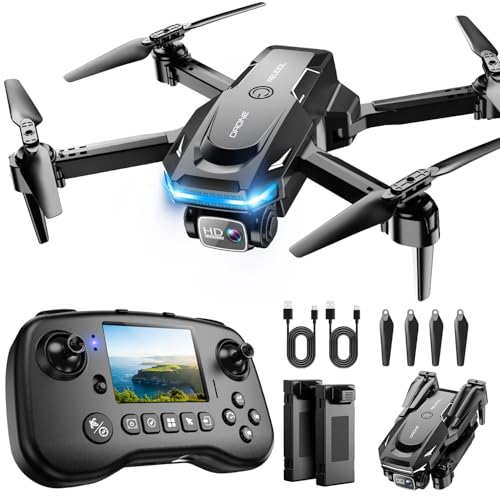
The PK01 drone's remote comes with a super handy built-in screen—no phone needed—so you can watch live HD footage and check flight stats right in your hands. (An SD card is required to save images and videos, not included) Powered by tough brushless motors, this little flyer is strong, smooth, and built to last. With one-key takeoff/landing, headless mode, and even 360° flips, you’ll look like a pro in no time. Ready for takeoff?🤩

【High-Performance FPV Camera】: The Spotter V2 Micro FPV AIO Camera is designed for fpv RC cars, RC boat,fpv drone,RC planes and other RC hobbies. With an integrated FOV170 Degree 700TVL camera, it delivers high-quality video for an immersive FPV experience.

【2K Ultra HD Camera】Loiley drone features a high-quality 2K HD camera with a 90° remote adjustable angle, allowing you to capture breathtaking photos and ultra-clear videos from the sky. Whether it's a scenic landscape or a special family moment, this drone helps you preserve every beautiful memory with precision. Simply connect your smartphone to the drone’s camera to enjoy a real-time panoramic view, and easily share your adventures directly to social media with just a tap
Common Accessories and Enhancements
Enhancing a cinewhoop’s performance and versatility is achievable through a variety of accessories and upgrades.
Recommended Products

This is the upgraded v4 frame for Moblite7/Mobula7, It's more Resistant to crash. With lower flight controller mounting position, When used with Diamond F4 flight controller, it will no longer block the USB port.

Minimal frame weight contributes to a high power-to-weight ratio, enabling rapid acceleration and agile flight maneuvers.

Minimal frame weight contributes to a high power-to-weight ratio, enabling rapid acceleration and agile flight maneuvers.
Frame and Duct Protection
- TPU ducts provide propeller protection, perfect for flying around people.
- Durable frames, sized 3”-3.5”, enhance maneuverability and crash resistance.
Propeller Options
– Top-rated 76mm 5-blade ducted props guarantee smooth, quiet footage.
Flight Controller Features
– High-performance options like the T-MOTOR MINI F7 deliver essential stability.
Battery Configurations
– A 4S 1300mAh LiPo strikes an excellent balance between flight time and weight.
Camera Mounts and Electronics Protection
– Vibration-damping mounts stabilize video, while protective canopies shield electronics from impacts.
These enhancements allow cinewhoop enthusiasts to elevate their flying experience, making each flight more enjoyable and visually appealing.
Learning to Fly a Cinewhoop
How can one effectively learn to fly a cinewhoop? Mastering throttle control is crucial since cinewhoops hover around 40% throttle, allowing for slow, steady flight.
- Practice in Open Spaces: Start flying in open areas to understand responsiveness and control limits.
- Smooth Inputs: Focus on executing gentle pitch, roll, and yaw movements to maintain flight stability and avoid jerky footage.
- Simulator Training: Utilize drone simulator software for safer practice and improved muscle memory.
As confidence builds, fly close to obstacles safely due to the drone’s propeller ducts. This practice enhances shooting potential in intricate spaces. Understanding the flight environment is also critical; prefer indoor settings where stability and safety are most pronounced.
Recommended Products

Cetus FPV Kit: BETAFPV Cetus FPV kit is comes with a special design of Cetus Brushed Whoop Quadcopter, LiteRadio 2 SE and VR02 FPV Goggles. The Cetus quadcopter has an...
The Future of Cinewhoops in Filmmaking
As cinewhoops continue to revolutionize the filmmaking industry, their impact is becoming increasingly evident in various production settings.
Emerging Technologies
The advancement of cinewhoops is fueled by new technologies, such as improved motors and optimized frames. These innovations make flights smoother and more stable, enhancing the overall cinematic quality.
Creative Collaborations
Filmmakers are forming creative collaborations, utilizing cinewhoops to capture innovative angles and movements. This allows for slow, immersive tracking shots that engage the audience like never before.
Market Growth
The growing adoption of cinewhoops in commercials, real estate, and events highlights their versatility. Independent creators, inspired by lower costs and educational resources, are embracing these drones, making this technology accessible to a wider community.
Frequently Asked Questions
How Much Does a Typical Cinewhoop Cost?
Typically, a cinewhoop costs between $200 and $1,000, influenced by features and brands. Higher-end models, favored for their advanced capabilities, cater to enthusiasts seeking cinematic excellence, while budget options also foster community belonging.
Can Cinewhoops Be Used Outdoors?
Cinewhoops can be used outdoors, offering cinematic versatility despite challenges like battery life and weather conditions. Pilots should navigate drone regulations carefully while balancing indoor flying capabilities and outdoor creative opportunities for stunning visual storytelling.
What Is the Flight Time of a Cinewhoop?
Cinewhoops typically achieve flight times of 3 to 7 minutes, influenced by battery capacity and varying flight conditions. Enveloping the sky, they dance gracefully, tethered to their power source yet aspiring for endless horizon.
Are Cinewhoops Easy for Beginners to Fly?
Cinewhoops are generally easy for beginners to fly. With beginner tips emphasizing smooth throttle control and flying techniques that prioritize stable, gentle maneuvers, they provide an approachable experience, fostering confidence and skill development in new pilots.
What Types of Cameras Are Compatible With Cinewhoops?
Cinewhoops are compatible with lightweight cameras like the GoPro series for ideal performance, while heavier DSLR options can exceed weight limits, compromising agility. Pilots appreciate the balance of quality and functionality, enhancing their creative pursuits together.