As an Amazon Associate, we earn from qualifying purchases. Some links on this site are affiliate links at no extra cost to you. Our recommendations are based on thorough research and editorial judgment.

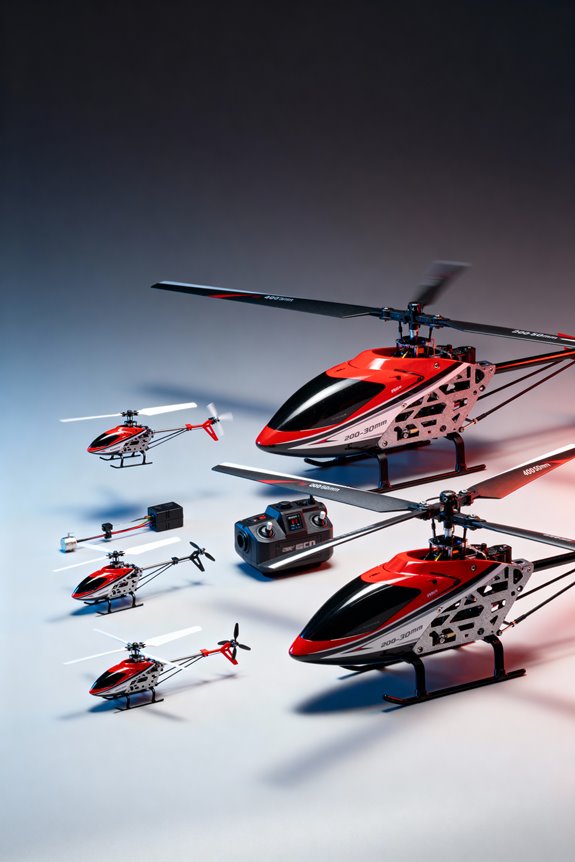
What Size RC Helicopter Is Best For Learning?

For beginners learning to fly RC helicopters, micro and small models are the best choices. Micro helicopters (≤180mm) are lightweight and designed for indoor flying, providing a stable learning platform. Small helicopters (180–250mm) balance stability and portability, suitable for both indoor and calm outdoor conditions. Features like altitude hold and auto shut-off enhance safety, allowing new pilots to practice without fear. Exploring other sizes can further enhance skills and experiences in the RC flying world.
Key Takeaways
- Micro/Nano RC Helicopters (≤180mm) are ideal for beginners due to their lightweight and forgiving design, perfect for indoor flying.
- Small RC Helicopters (180–250mm) offer balanced stability and durability, suitable for both indoor and calm outdoor environments.
- Medium RC Helicopters (250–450mm) provide improved stability and control, ideal for learners advancing in skills and handling moderate winds.
- Flight assistance technologies like SAFE and AS3X enhance learning by improving stability and handling, boosting beginner confidence.
- Transitioning gradually between sizes allows pilots to develop skills and confidence before moving to advanced large helicopters (>450mm).
Understanding RC Helicopter Size Categories
You may be interested


When exploring the world of RC helicopters, understanding size categories becomes essential for both novice and experienced pilots. The classification of RC helicopter dimensions primarily revolves around rotor blade lengths, generally measured in millimeters or inches.
Size Categories:
- Micro/Nano: Blades under 200mm, suitable for indoor flying.
- Small: Rotor lengths from 400 to 600mm, offering balance for outdoor stability.
- Medium: Blade sizes around 450-600mm, providing better performance.
- Large: Blades extending up to 800mm, typically for expert aviators.
These categories dictate flight characteristics and experience levels. Smaller helicopters are easier to control, while larger ones offer greater stability. Understanding these distinctions aids enthusiasts in selecting the right size for their skill level, enhancing the overall flying experience. Additionally, many pilots find that the ergonomic design of the helicopter can significantly impact comfort and ease of use during flight sessions.
Advantages of Micro and Nano RC Helicopters

Micro and nano RC helicopters offer numerous advantages that make them ideal for beginners and hobbyists alike.
Recommended Products

✅ ATT Self-leveling Mode - This function utilizes a high-precision gyroscope/accelerometer and barometer working in tandem to automatically correct flight attitude in real-time, maintaining the helicopter in a fundamentally stable state. Unlike GPS mode, releasing the control sticks will not trigger automatic braking-instead, the helicopter returns to a level attitude autonomously. Compared to traditional gyro-assisted manual mode, it significantly reduces control pressure while offering more hands-on engagement than GPS mode, allowing you to focus more on the joy and creativity of flying!

Easy to Fly RC Helicopter: The remote control helicopter features a 6 axis gyro, optical flow positioning, and altitude hold, making it ideal for beginners. Enjoy effortless flying with one key landing and backward flight functions.

【Authenticity and Storytelling Design】Meticulously crafted in a 27:1 scale, our helicopter replicates the Bell UH-1D with authentic colors and livery. A true-to-life miniature that honors the aviation history. After extensive research and multiple product iterations, we present a helicopter that resonates with the historical context of the Vietnam War, crafted for the connoisseur of war history, and at the same time display and showcase this model aircraft
Learning Curves
These small helicopters provide an excellent learning curve, allowing new pilots to practice their skills with minimal risk.
Crash Resilience
Their lightweight design enhances crash resilience, reducing damage during those inevitable beginner mishaps.
Indoor Agility
With exceptional indoor agility, they can easily navigate small spaces, making them perfect for flying in confined areas.
Affordability Factors
Affordability factors, such as low initial costs and ease of repairs, allow enthusiasts to engage without financial strain.
Stability Support
Modern models include stability support features like 6-axis stabilization, promoting smooth flights even for newcomers.
Repair Ease
Finally, the availability of inexpensive spare parts guarantees repair ease, keeping the fun going without lengthy downtimes. Additionally, many models incorporate adjustable designs that allow for personalized control, enhancing the overall flying experience for users.
Benefits of Mini RC Helicopters for Beginners
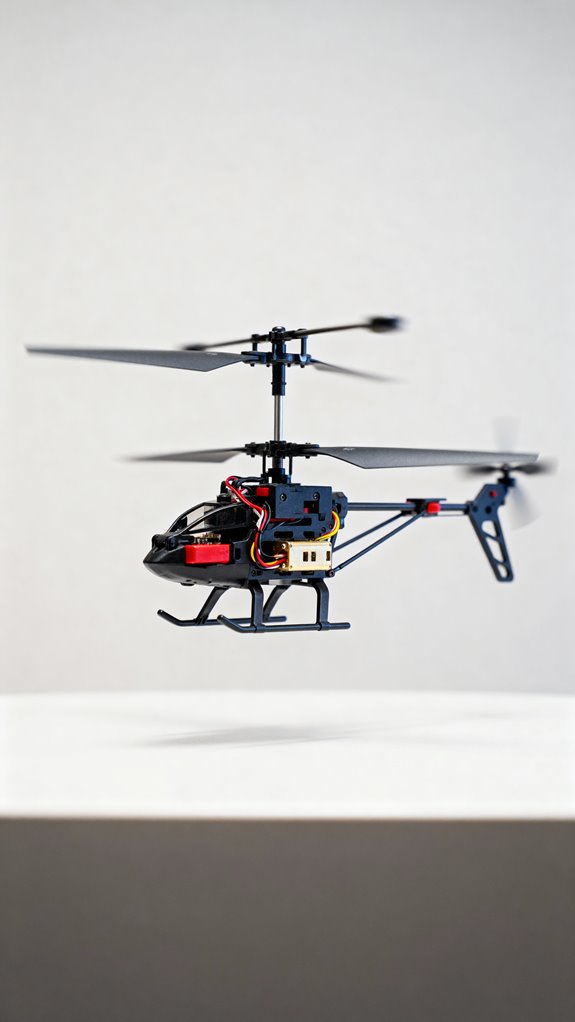
Mini RC helicopters stand out as a fantastic option for beginners looking to immerse themselves in the world of remote-controlled flying. These compact models, typically featuring rotor sizes around 150mm, offer several advantages that enhance the learning environment.
- Portability and Convenience: Their lightweight design simplifies handling, making it easy to practice in confined spaces.
- Beginner-Friendly Flight Characteristics: Features like altitude hold and gentle responses help new pilots master basic controls comfortably.
- Safety and Indoor Use: Lower rotor speeds and reduced kinetic energy minimize risks, allowing learners to focus on skill development.
- Affordability and Maintenance: Budget-friendly prices and easy repairs encourage extended practice without the worry of costly damage. Additionally, safety features like auto shut-off can provide peace of mind during practice sessions.
Recommended Products
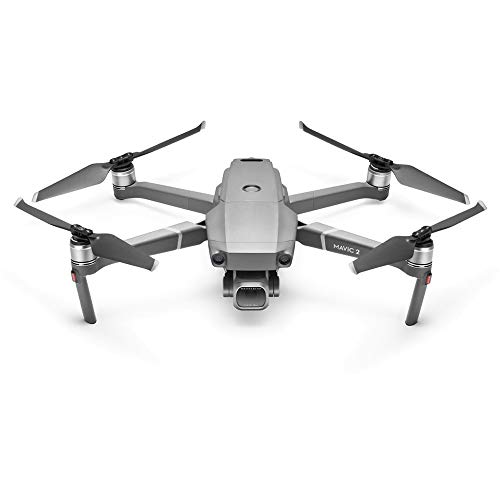
Equipped with a Hasselblad L1D-20c camera with a 20MP 1” CMOS Sensor, the Mavic 2 camera drone lets you capture gorgeous aerial shots in stunning color detail.

Bundle for everyone, see Description for details

Massive Bundle for the Pros, see description for items included
Exploring Medium RC Helicopters for Learning

How do medium RC helicopters serve as an ideal stepping stone for aspiring pilots? These models, typically featuring rotor blade lengths between 300mm to 500mm, provide a balanced mix of stability and maneuverability. For learners, medium helicopter features like gyro stabilization enhance control, making it easier to practice basic flight and intermediate maneuvers.
- Transitioning Skills: With their ability to handle outdoor conditions, medium helicopters bridge the gap from mini models to advanced sizes.
- Durability and Maintenance: They are more robust than micros, offering manageable maintenance, which is essential for building long-term skills.
Models like the OMP Hobby M2 and GooSky S2 are great examples, offering smooth flight characteristics and a forgiving learning experience, ensuring pilots feel a sense of belonging in the hobby. Additionally, the 4-in-1 Red Light Therapy features of Solawave devices illustrate how innovative technology can enhance personal care, much like the advancements in RC helicopters improve the flying experience.
Recommended Products

✨【Realistic Scale Design】Reproduced at a 1:16 scale of the iconic MD500 helicopter, featuring finely detailed exterior structure, openable cabin doors, vivid cockpit layout, and lighting effects. The realistic proportions bring a full-size aircraft’s charm into your hands.
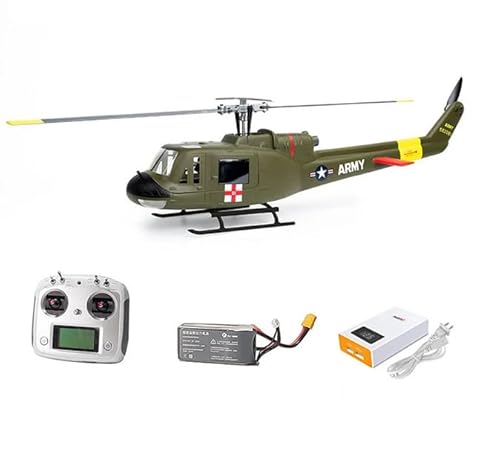
20+Min Flight Time: 16V brushless motor configuration. Compared to traditional 12V, it has stronger power. Combined with ESC optimized for the characteristics of the motor, the flight efficiency is greatly improved

>> Authentic & Classic Helicopter : Maximizing the appearance of American UH60-Black Hawk Helicopter, the 1/47 helicopter model features highly simulated appearance and details including cool lights, left&right movable side doors and undercarriage with shock absorber.
Why 400-Class Helicopters Are Ideal for New Pilots

When aspiring pilots are ready to take their skills to the next level, 400-class helicopters offer the perfect blend of size, stability, and control.
Recommended Products

ATT Self-leveling Mode-- This function utilizes a high-precision gyroscope/accelerometer and barometer working in tandem to automatically correct flight attitude in real-time, maintaining the helicopter in a fundamentally stable state. Unlike GPS mode, releasing the control sticks will not trigger automatic braking-instead, the helicopter returns to a level attitude autonomously. Compared to traditional gyro-assisted manual mode, it significantly reduces control pressure while offering more hands-on engagement than GPS mode, allowing you to focus more on the joy and creativity of flying!

✅ ATT Self-leveling Mode - This function utilizes a high-precision gyroscope/accelerometer and barometer working in tandem to automatically correct flight attitude in real-time, maintaining the helicopter in a fundamentally stable state. Unlike GPS mode, releasing the control sticks will not trigger automatic braking-instead, the helicopter returns to a level attitude autonomously. Compared to traditional gyro-assisted manual mode, it significantly reduces control pressure while offering more hands-on engagement than GPS mode, allowing you to focus more on the joy and creativity of flying!

✅ Realistic Helicopter - The realistic Bell 206 V3 6CH RC helicopter model equipped Multiple flight modes including GPS mode, ATT Self-leveling Mode. Adopts the 700-level FBL rotor structure in high precision to provide a more smooth and more weighty control feel.
Size and Manageability
- Main rotor diameters of 28 to 34 inches facilitate easy handling.
- Weighing between 18 to 24 ounces, they offer balanced control for beginners.
Stability and Control
- Brushless motors and 3-axis gyros guarantee smooth flight—crucial for flight training.
- CCPM control systems enhance maneuverability without being overly sensitive.
Flight Performance
- Moderate speeds and climb rates allow for skill development without overwhelming new pilots.
- Their design optimizes thrust, making them ideal for practicing handling techniques. Additionally, user-friendly designs in light therapy devices can inspire new pilots to invest in equipment that enhances their training experience.
Challenges of Small Helicopters in Outdoor Flying
Flying small helicopters outdoors presents a unique set of challenges that aspiring pilots must navigate. One significant factor is wind sensitivity. Small models, especially micro and nano sizes, can struggle in even light breezes, leading to difficult flight control. Their lightweight design makes them prone to drifting or crashing, especially when weather conditions are not ideal.
Another challenge arises from limited visibility. Pilots may lose sight of their helicopter beyond 200 meters, complicating orientation and increasing crash risks. Tracking a small helicopter against varied outdoor backgrounds demands more focus, adding to the pilot’s workload. Ultimately, mastering these challenges requires attention to detail and careful planning to guarantee rewarding and safe outdoor flying experiences. Additionally, understanding the battery type used in remote-controlled devices can enhance overall performance and reliability during flights.
Recommended Products

See the bigger picture: equipped with a Hasselblad l1d-20c camera with a 20MP 1” CMOS sensor, The Mavic 2 lets you capture gorgeous aerial shots in stunning color detail.
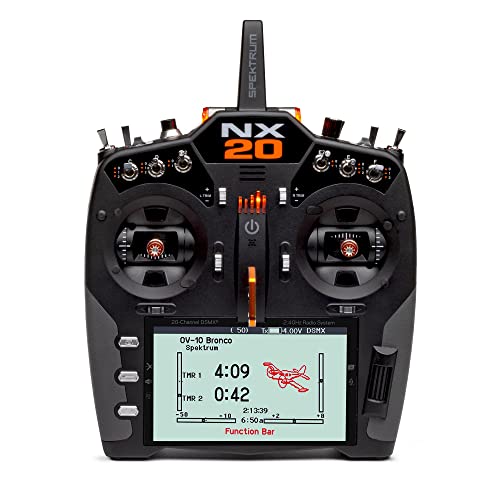
Backlit 5”, 800x480 display screen with multiple color palette choices and user customizable colors

32.0MP sphere panoramas - In addition to horizontal, vertical, and 180° panoramas, Mavic Air stitches 25 photos together in just eight seconds to create crystal clear 32.0MP sphere panoramas.
Importance of Flight Assistance Technologies
Recognizing the importance of flight assistance technologies can greatly elevate the learning experience for novice RC helicopter pilots. These innovations provide essential flight stability, considerably benefiting beginners.
- SAFE Technology: Features self-leveling and stabilizing capabilities, preventing excessive angles and enhancing pilot confidence. It includes a panic mode for quick recovery during disorientation.
- AS3X Technology: Offers instantaneous corrections during turbulence, improving handling and reducing crash risks, thereby fostering confidence in inexperienced pilots.
- GPS-Based Features: Implement geofencing and return-to-home functionalities, ensuring safe operations and simplifying navigation.
- AI-Assisted Flight: Optimizes parameters and enhances stability in challenging conditions, making flying easier for novices.
Comparing Stability Across Different Sizes
In evaluating the stability of RC helicopters, one finds that size plays an essential role in performance and handling.
Micro RC Helicopters (≤180mm)
- Lightweight, easy to manage indoors.
- Limited stability outdoors, struggling against wind.
- Best for initial learning in calm or controlled spaces.
Small RC Helicopters (180–250mm)
- Offer a balanced stability, suitable for indoor and moderate outdoor conditions.
- More durable, good for progressing beginners.
Medium RC Helicopters (250–450mm)
- Improved stability due to heavier weight, handling winds better.
- Ideal for learners advancing to complex maneuvers.
Large RC Helicopters (>450mm)
- Superior stability and control response, particularly outdoors.
- Best for advanced pilots, requiring greater skill and space.
A stability analysis across these sizes shows that larger models assist with mastering essential flight mechanics effectively.
Recommended Environments for Each Helicopter Size
When selecting an RC helicopter, understanding the recommended environments for each size category is essential for maximizing the flying experience.
Micro RC Helicopters (≤180 mm)
- Best for indoor flying in confined spaces, such as living rooms.
- Very vulnerable to air currents, making outdoor use impractical.
Small RC Helicopters (180–200 mm)
- Suitable for indoor flying and calm outdoor environments, like backyards.
- Durable enough for slight disturbances, perfect for evolving pilots.
Medium RC Helicopters (200–450 mm)
- Designed for larger outdoor areas or open indoor spaces.
- Can handle moderate wind, ideal for learning advanced techniques.
Large RC Helicopters (450 mm+)
- Best in wide-open outdoor environments, such as large fields.
- Requires substantial space for safety and complex maneuvers.
Tail Rotor Response and Control in Various Sizes
Understanding tail rotor response and control is essential for anyone learning to fly RC helicopters, as it directly impacts maneuverability and stability.
Tail Rotor Dynamics in Different Sizes
- Smaller Helicopters: Feature sharper leading-edge blades, resulting in increased control sensitivity. Pilots must exercise delicate rudder movements to avoid overcompensation.
- Larger Models: Typically utilize carbon-fiber blades with blunt edges, creating smoother yaw inputs and better tail stability.
Gyro System Considerations
- Smaller models benefit from reduced gyro gain to minimize tail hunting during aggressive maneuvers, while larger models need fine-tuned gain settings to maintain responsiveness without oscillation.
- In heading-lock mode, larger helicopters excel, especially during complex maneuvers.
Ultimately, understanding these differences in tail rotor dynamics helps learners navigate the world of RC helicopters more confidently.
Long-Term Considerations for New Pilots
Selecting the right RC helicopter is a significant step for aspiring pilots, especially when considering long-term factors that affect their journey.
Long-Term Durability
Larger helicopters often demand complex maintenance, leading to higher ownership costs over time. Small and micro models, however, feature simpler repairs and affordable parts, making them ideal for beginners.
Maintenance Requirements
Regular upkeep is crucial for all sizes to guarantee safety and performance. Larger models require more extensive pre-flight checks, which can be time-consuming.
Additionally, the availability of replacement parts is important for long-term use; fewer parts for toy-like micro models may hinder accessibility. Developing maintenance skills is key as pilots progress to larger, more advanced helicopters, making it important to choose wisely from the start.
Progressing to Advanced RC Helicopter Sizes
Progressing to advanced RC helicopter sizes opens a new domain of possibilities for pilots keen to enhance their skills. Shifting from mini to medium-sized helicopters, typically featuring 200-500mm blades, provides improved stability and longer flight times. These helicopters allow pilots to practice essential shifting techniques, crucial for mastering advanced maneuvers like 3D aerobatics.
As pilots gain confidence, moving to large helicopters, with blades over 500mm, offers even greater challenges. They improve spatial awareness, necessary for performing complex tricks. Models in these categories often include advanced stabilization systems, offering valuable support while learning.
Ultimately, each shift enhances skills, embraces new complexities, and fosters a deeper connection within the RC flying community. Embrace the journey to mastery!
Frequently Asked Questions
What Is the Weight Range for Different RC Helicopter Sizes?
The weight categories for RC helicopter types vary greatly. Micro helicopters weigh 50-200 grams, small ones range from 200 grams to 1 kilogram, medium to big ones span 1-2.5 kilograms, while giants exceed 3 kilograms.
Can I Upgrade Parts on My Beginner Helicopter?
Yes, upgrading components is possible with beginner kits. Many models allow users to enhance part performance, promoting growth in skills while cultivating a deeper connection to the hobby through customization and improved flight experiences.
How Does Battery Size Vary Between Helicopter Sizes?
Battery size directly influences battery life in RC helicopters. Smaller models may achieve flight times of 5 to 8 minutes with tiny batteries, while larger counterparts benefit from 10 to 20 minutes, emphasizing size impact on performance.
What Are Common Mistakes Made by First-Time Pilots?
Common misjudgments by first-time pilots often include over-correcting maneuvers and neglecting basic skills. Pilot anxiety can further impede their ability to respond timely, emphasizing the need for patience and practice to foster confidence and stability.
How Often Should I Maintain My RC Helicopter?
Maintenance tips suggest routine checks before flights, while frequency guidelines advise monthly cleanings and regular part inspections. Balancing immediate assessments with proactive care fosters belonging among enthusiasts enthusiastic to guarantee peak performance and longevity of their helicopters.