As an Amazon Associate, we earn from qualifying purchases. Some links on this site are affiliate links at no extra cost to you. Our recommendations are based on thorough research and editorial judgment.

How To Perform Basic Maintenance On Your RC Helicopter

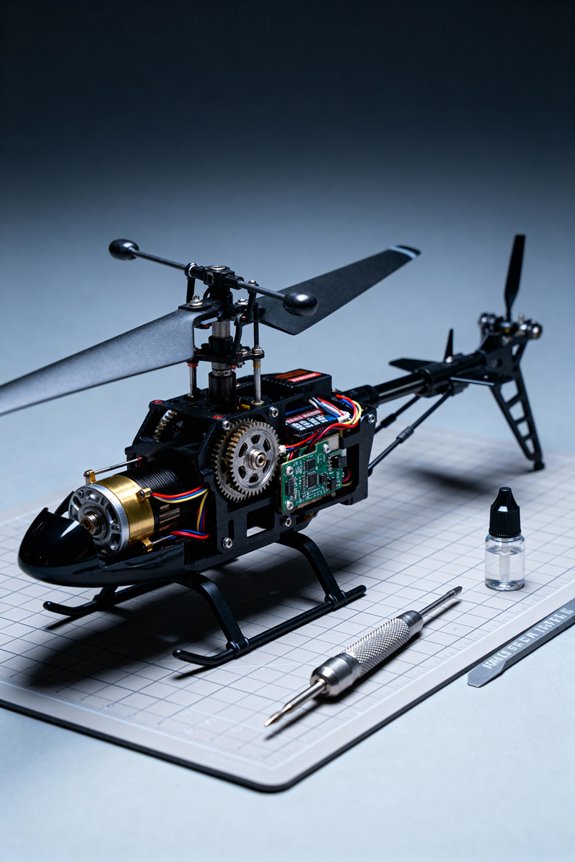
To perform basic maintenance on an RC helicopter, start with regular inspections to check for damage, secure parts, and functionality of the components. Clean gears and rotor hubs using isopropyl alcohol, ensuring they are dry before reassembly. Lubricate moving parts with RC-grade lubricants and light machine oils after every 10-12 flights. Focus on battery care by avoiding over-discharging and storing at 50% charge. Keeping detailed maintenance records will enhance safety and performance. Learn more about optimizing your upkeep!
Key Takeaways
- Conduct regular visual inspections of the airframe, rotor blades, and electronic systems for any signs of damage or wear.
- Clean parts with appropriate solutions and lubricate bearings and shafts every 10-12 flights to maintain performance.
- Practice battery care by avoiding deep discharges and storing them at 50% charge in a cool environment.
- Ensure proper alignment of the tail boom and check torque settings to reduce vibrations and maintain flight stability.
- Keep detailed maintenance records to track inspections, repairs, and the frequency of servicing for optimal reliability.
Regular Inspections of Your RC Helicopter
You may be interested


Regular inspections are essential for ensuring the ideal performance and longevity of an RC helicopter. A detailed visual inspection should begin with the overall airframe and fuselage, checking for dents, cracks, or corrosion. It is crucial to verify all access panels and parts are securely fastened. A thorough component check includes examining rotor blades for damage and ensuring they are mounted correctly.
- Confirm that control linkages and servos are aligned and functioning properly.
- Use a maintenance checklist to streamline your inspections, ensuring nothing is overlooked.
- Inspect wiring and electronic systems for secure connections. Additionally, safety features should be reviewed to prevent potential malfunctions during flight.
Regular, methodical inspections enhance operational readiness, giving enthusiasts peace of mind and fostering a shared commitment to safe, enjoyable flying experiences.
Cleaning the Gears and Rotor Hubs

Cleaning gears and rotor hubs is an essential task for maintaining the performance of an RC helicopter, guaranteeing longevity and reliability during flights. Regular gear maintenance involves the following steps:
- Preparation: Use microfiber or blue shop towels and avoid harsh chemicals.
- Main Gears: Soak gears in a 95% alcohol solution for 20 minutes, then clean with Q-tips, checking for wear.
- Rotor Hubs and Bearings: Disassemble carefully; use soapy water or isopropyl alcohol for cleaning, inspecting for damage.
- Drying: Ascertain all parts are completely dry to prevent corrosion.
Perform these hub cleaning practices after a few flights to maintain superior performance. A clean helicopter not only flies better but also fosters a deeper connection among enthusiasts sharing this rewarding hobby. Additionally, ensuring that all components are free from debris can significantly enhance the effectiveness of heat therapy.
Recommended Products

[23PCS Tool Kit Set] : RC hobby tools include:hex screwdriver set (0.9mm 1.3mm 1.5mm 2.0mm 2.5mm 3.0mm), phillips driver (3.0mm 4.0mm), slot drivers (3.0mm 4.0mm),Hexagon Sleeve Wrench(4mm/5.5mm/7mm/8mm) Nipper pliers,Diagonal Pliers,Hole Puncher Reamer,RC Bearing Disassembly Tool,Screws Pallet with Magnetic Pad,Scissors,Shunting ruler,Soldering Stations

ULTIMATE UV DEFENSE SYSTEM: Engineered with a proprietary formula that provides 100% UVA and UVB protection. Acts as a critical barrier against sun damage, specifically preventing the yellowing and fading of white Monokote and Ultracote coverings, ensuring your RC models look factory-fresh for years.
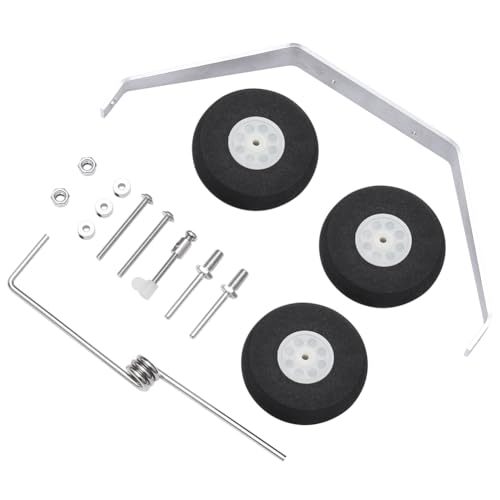
Replacement For RC Airplane Cessna 182
Lubricating Moving Parts

Proper maintenance of an RC helicopter extends beyond cleaning components; it includes ensuring that all moving parts are sufficiently lubricated for ideal performance. Utilizing the right lubrication techniques and types of lubricants enhances the helicopter’s longevity and efficiency.
Types of Lubricants:
- RC-grade lubricants: Designed for plastic and metal parts, preventing damage.
- Light machine oils: Perfect for bearings and shafts due to appropriate viscosity.
- Greases: Tamiya anti-wear grease is ideal for gears, reducing wear under load.
- Silicone oils: Useful for flexible components like canopy grommets.
Lubrication Recommendations:
- Lubricate bearings and motor shafts every 10-12 flights.
- Monthly maintenance for rotor assemblies and servo arms.
- Always apply small amounts, avoid over-lubrication to keep dirt out, and reapply after cleaning. Additionally, ensuring that all moving parts are properly maintained can lead to longer lifespan and improved performance of your RC helicopter.
Recommended Products

Item Package Dimension: 9.83L x 2.43W x 2.43H inches

100% silicone shock oil for radio control applications

Battery Maintenance Practices

Battery maintenance practices are essential for ensuring the longevity and performance of an RC helicopter.
Battery Charging
- Wait 15-20 minutes after use before charging to prevent overheating.
- Never charge overnight; stop charging 1-2 hours after completion to avoid overcharging.
- Use a balance charger for LiPo batteries to maintain cell balance.
Battery Discharging
- Adhere to the 80% rule: do not discharge below 20% capacity.
- Periodic full discharges help balance cells.
- Monitor battery temperature; if it exceeds 140°F (60°C), consider retiring the battery.
Battery Storage
- Store batteries at 50% charge in a cool, dry environment.
- Keep batteries in fireproof containers away from flammable materials.
- Consider using reliable power sources such as lithium batteries to enhance overall performance.
Regular battery inspection and adhering to these guidelines can notably enhance battery performance, promoting safe and enjoyable flying experiences.
Recommended Products

Ultra-Realistic Alloy Design: 3-blade flybarless RC helicopter with openable cockpit, detailed dashboard and metal sandblasted finish, creating a true-scale, premium realistic RC helicopter model
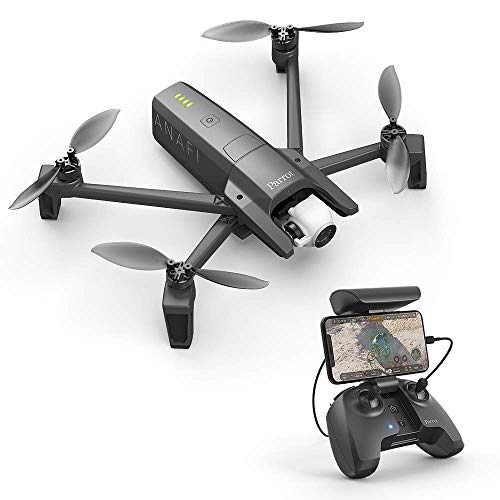
This drone with a camera equipped with f/2.4 wide angle ASPH lens, HDR, and up to 2.8 times digital zoom captures spectacular 4K videos, Full HD or 2.7K videos (2704x1520), and 21 MP photos without loss of quality. Additionally, you have a timer, a Burst mode that captures 10 photos per second, and wizards to take over professional settings
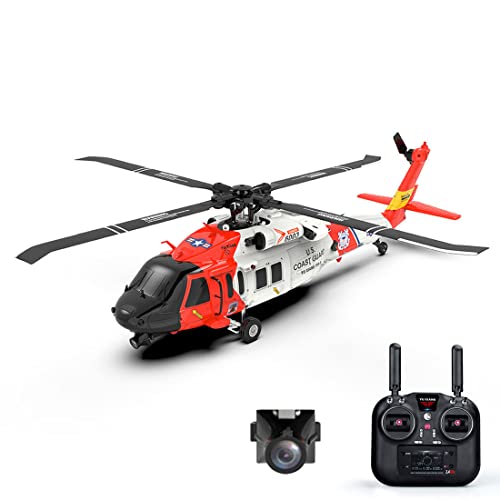
Sturdy Durable: Made of hot runner molding proccess on the shell, the helicopter model is designed with shatterproof body, CNC rotor head, S swashplate for optimal structure, decreased weight and minized possibilities of damage. The blades adopt nylon and carbon fiber composite material for stunning toughness, impact resistance and durability.
Mechanical Checks for Safe Flight

After addressing battery maintenance practices, it’s equally important to assure that the mechanical components of an RC helicopter are in prime condition for safe flight. Regular mechanical checks enhance safety and performance.
- Blade Grips: Assure grips are snug and allow blade movement without excess force.
- Connecting Links: Check for correct mounting and eliminate sloppy movements.
- Fasteners: Tighten bolts and screws, avoiding overly tight adjustments.
- Servo Functionality: Inspect for smooth rotation without binding; confirm proper pitch range.
- Drive Train: Examine motor bearings, gear engagement, and belt tension for ideal operation.
- Structural Integrity: Inspect the frame and landing gear for cracks or loose parts.
Additionally, consider performing routine checks similar to the mechanical checks used for maintaining back massagers, which can enhance overall performance and safety. These mechanical adjustments and careful structural modifications are crucial for a well-functioning helicopter, fostering both confidence and camaraderie among enthusiasts.
Checking Blade Condition and Tension
Guaranteeing ideal performance and safety begins with a thorough inspection of the RC helicopter’s blades. A detailed blade inspection involves checking for visible cracks, chips, or dents, particularly along the leading and trailing edges. Additionally, examining the rotor tips for deformation and monitoring surfaces for wear will keep your blades in top shape.
For tension measurement, it’s crucial to follow the manufacturer’s specifications. This helps maintain proper rigidity without causing excessive flapping. Regularly adjusting pitch links and employing blade tracking techniques will guarantee all blades align correctly. Remember, these adjustments keep vibrations to a minimum, enhancing flight stability. Prioritize these inspections, as they are essential for a smooth and safe flying experience, fostering a sense of community among RC enthusiasts. Additionally, maintaining optimal recovery through proper blade care contributes to overall flight efficiency and safety.
Recommended Products

Also available in a money-saving “Super Combo” including top-of-the-line Spektrum servos, a flight controller, receiver, plus a Smart ESC

An updated and upgraded version of the proven Blade 230 S that’s easier to fly, more durable, and more capable for first-time to experienced heli pilots
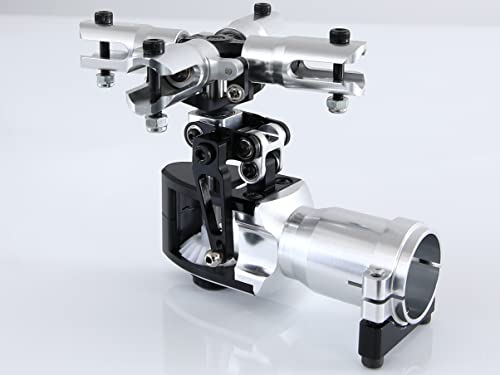
Trex 600 RC Helicopter 4 Blade 2 Push Metal Tail Rotor Assembly
Assessing Landing Gear Integrity
Evaluating landing gear integrity is essential for maintaining an RC helicopter’s overall performance and safety. Conduct a thorough landing gear evaluation through a structural inspection.
Visual Inspection
- Check struts for cracks or bends from hard landings.
- Look for stress marks near the joints.
- Inspect for loose or missing bolts.
Tightening Components
- Use the right tools to secure all fasteners, avoiding overtightening.
- Replace any stripped bolts for enhanced reliability.
Material Integrity
- Recognize when to replace plastic or metal components based on wear.
- Keep a record of conditions to anticipate replacement needs.
Cleaning and Corrosion Prevention****
- Regularly clean and dry parts to prevent rust.
- Store the helicopter in a dry environment to minimize moisture exposure.
Evaluating Servo Connections
Regularly checking servo connections is essential for ideal performance in RC helicopters. This vital maintenance step confirms connection integrity, which directly affects flight stability and responsiveness.
Key Aspects to Evaluate:
- Inspect Servo Wires: Look for fraying or damage that could lead to electrical shorts. Confirming wires are intact prevents operational failures.
- Check Connectors: Examine servo wire connectors for looseness or corrosion; the stakes are high when it comes to reliable control.
- Tighten Mounts: Confirm screws holding the servo to the frame are snug, helping avoid vibrations that may disrupt performance.
- Examine Linkages: Assess the servo arm and linkage rods for wear. Proper alignment guarantees seamless movement.
Following these steps cultivates a deeper sense of belonging to a community that values precision and reliability in the exciting world of RC helicopters.
Monitoring Battery Health and Storage
Monitoring the health and storage of RC helicopter batteries is essential for ensuring ideal performance and longevity. Proper management extends the battery lifecycle and maximizes flight time.
Recommended Products

Advanced Triple-Camera System - The Mavic 4 Pro’s Infinity Gimbal features a triple-camera system: a 100MP Hasselblad wide-angle lens with 6K60 HDR and HNCS color, a 48MP medium tele for portraits, and a 50MP tele for sharp long-range shots. All support up to 4K slow motion (4K120 on wide/medium, 4K100 on tele), dual native ISO fusion, 10-bit D-Log, RAW frame stacking, and intelligent modes like Panorama and Subject Focusing—delivering professional results in any setting.

What's in this combo: MAVIC PRO Original Package, 2 Extra batteries, 2 Extra propellers, 2 charging hub, 1 car charger, 1 battery to power bank adaptor and a shoulder bag

32.0MP sphere panoramas - In addition to horizontal, vertical, and 180° panoramas, Mavic Air stitches 25 photos together in just eight seconds to create crystal clear 32.0MP sphere panoramas.
Charge Cycle Management
- Avoid Deep Discharges: This can degrade capacity.
- Cycle Batteries: Fully discharge and recharge periodically for balanced cell health.
- Cooling Period: Wait 15-20 minutes after use before recharging.
Proper Storage Practices
- Optimal Charge Level: Store at approximately 50% charge for long-term safety.
- Climate Conditions: Keep in a cool, dry space between 50°F and 70°F to minimize degradation.
- Safety First: Use fireproof containers and store batteries separately from the helicopter to prevent risks.
Importance of Tail Boom Alignment
Proper battery management guarantees reliability and performance, leading to an equally important consideration: tail boom alignment. Maintaining the tail boom’s proper position is critical for ideal flight stability and overall performance. A bent tail boom can result from crashes, introducing impact stress that affects precision control and may cause performance degradation due to vibration effects.
Key points to remember include:
- Mechanical Resistance: Correct alignment minimizes vibrations, ensuring smooth tail rotor movement.
- Torque Settings: Regular checks on mounts help maintain firmness, preventing shifts during flight.
- Drivetrain Efficiency: Proper alignment aids effective power transmission, reducing wear on components.
Ultimately, prioritizing tail boom alignment can enhance your helicopter’s responsiveness and maneuverability, leading to improved flying experiences. Regular inspections are your best friend in maintaining this crucial aspect of your RC helicopter.
Care During Storage and Transport
When it comes to storing and transporting RC helicopters, careful attention is essential to maintain their functionality and longevity.
Proper Storage Techniques
- Cool and Dry Environment: Keep helicopters in a climate-controlled area with temperatures between 50–70°F, promoting ideal performance.
- Managing Humidity: Utilize ventilated spaces to prevent moisture damage, ensuring low humidity levels.
Battery Safety
– Remove Batteries: Always detach batteries to prevent leakage. Store them in fireproof containers at about 50% charge for extended periods.
Protecting Your Helicopter
– Use Padded Cases: Invest in padded, hard-shell cases to absorb shocks during transport. Secure the helicopter inside to prevent movement and possible damage.
Recording Maintenance Activities
How can RC helicopter enthusiasts assure their maintenance activities are effectively recorded? By implementing effective recording techniques and maintaining consistency, they assure the longevity of their beloved helicopters.
- Maintenance Journal: Keep a maintenance journal to track activities like inspections, repairs, and part replacements.
- Log Details: Document the date, descriptions of work performed, and maintenance frequency. This makes it easier to monitor wear patterns and plan for replacements.
- Flight Hours: Include total flight hours and details of life-limited parts.
- Stay Organized: Centralized digital systems enhance accessibility, making it simple to retrieve and review logs. Regularly update records to maintain accuracy.
Scheduling Periodic Full Breakdowns
Scheduling periodic full breakdowns of an RC helicopter guarantees peak performance and longevity, especially as components endure wear from repeated flights. Regular frequency scheduling is key; performing a full breakdown every 50 to 100 flights or about every 8-10 flying hours will yield significant benefits.
During this process, pilots should:
- Completely disassemble the main rotor head, tail boom, servos, and landing gear.
- Update maintenance logs to track wear patterns, ensuring timely follow-up inspections.
- Inspect critical components for damage and replace as necessary.
Time breakdowns during shifting seasons or downtime for thorough inspections. Engaging with the RC community for shared experiences can enhance maintenance approaches. Remember, investing time now promotes safer, more enjoyable flights in the future!
Managing Environmental Factors
Maintaining an RC helicopter’s ideal performance relies heavily on managing environmental factors.
Temperature Effects
- Keep the helicopter between 50–70°F, promoting battery health and component longevity.
- Avoid extreme heat to prevent deformation of plastic parts and degradation of electronics.
- Gradually acclimate your helicopter when shifting between temperatures to avoid thermal stress.
Humidity Impact
- Store and operate in low-humidity conditions to minimize corrosion risk on metal parts.
- Use waterproof coatings for electronics, particularly in damp environments.
- Thoroughly dry the helicopter after exposure to moisture and consider using desiccant packs in storage.
Identifying Components for Proactive Replacement
While flying an RC helicopter can be thrilling, understanding the components that require proactive replacement is vital for sustaining peak performance.
Key Components for Replacement
- Main Rotor Blades: Frequently replaced due to component wear, important for optimum lift.
- Tail Rotor Blades: Regular inspection is necessary; their health directly influences stability.
- Motor and ESCs: Brushless motors last longer than brushed; faulty ESCs can jeopardize control.
Replacement Schedule
Creating a replacement schedule helps maintain longevity. Schedule checks for rotor assemblies, batteries, and servos after a set number of flights or monthly. Proactively replacing worn parts like main shafts and ball bearings can prevent failures mid-flight. Staying vigilant confirms smooth operations and a fantastic flying experience for every enthusiast.
Frequently Asked Questions
How Often Should I Fly My RC Helicopter?
Flying frequency should be regular for skill development, with beginners flying multiple times weekly in short sessions. Advanced pilots can opt for longer flights, allowing for ideal flight while refining their techniques and ensuring enjoyment.
What Tools Are Essential for Basic Maintenance?
Essential tool types for basic maintenance include hex drivers, precision screwdrivers, and soldering irons. A thorough maintenance checklist should also feature pliers, multimeters, and lubricants, fostering a sense of community among enthusiastic RC helicopter hobbyists.
Can I Use Regular Grease for Lubrication?
Regular grease is generally unsuitable for RC helicopters due to compatibility issues. Proper lubrication tips recommend using specialized lubricants to guarantee peak performance, prevent damage, and foster a sense of belonging within the RC community.
How Do I Know if My Battery Is Bad?
In the garden of flight, a bad battery wilts under scrutiny. Observing battery symptoms like swelling or reduced capacity, and utilizing testing methods such as voltage checks, reveals the truth, ensuring all aviators remain in harmony.
What Should I Do if Parts Become Unresponsive?
When parts become unresponsive, one should initiate troubleshooting steps, including checking connections and recalibrating systems. If issues persist, part replacement might be necessary to restore functionality and guarantee a satisfying experience for the user.