As an Amazon Associate, we earn from qualifying purchases. Some links on this site are affiliate links at no extra cost to you. Our recommendations are based on thorough research and editorial judgment.


5 Critical Tips Before Your First RC Helicopter Flight

Before the first RC helicopter flight, follow these five essential tips for success:
- Pre-Flight Checks: Inspect rotor blades, calibrate gyros, and verify battery connections.
- Choose the Right Environment: Opt for open spaces with calm winds.
- Understand Controls: Familiarize yourself with components and their functions.
- Initial Maneuvers: Practice hovering, gentle takeoffs, and controlled landings for confidence.
- Safety Precautions: Maintain a safe distance while flying and be aware of surroundings.
You may be interested


There’s so much more to explore!
Key Takeaways
- Conduct thorough pre-flight safety checks, including blade inspections and battery security, to ensure optimal performance.
- Choose a spacious, obstruction-free outdoor area with calm weather conditions for a safe flying experience.
- Familiarize yourself with helicopter controls and key components to enhance piloting skills and confidence.
- Master hovering techniques before progressing to forward flight to build control and stability.
- Maintain a safe distance from the helicopter while flying and practice gradual throttle adjustments for a steady flight path.
Pre-Flight Preparation and Safety Checks
Before taking to the skies, it is crucial for anyone flying an RC helicopter to thoroughly prepare and conduct safety checks. Following a pre-flight checklist guarantees that every critical component is in prime condition.
Rotor and Tail Rotor Checks
- Inspect blades for cracks or chips, and verify blade tracking.
- Check the tail rotor for secure mounting and proper pitch control.
Electronic Checks
- Calibrate the gyro and test all control servos for responsiveness.
- Confirm batteries are fully charged and connections are secure.
Structural Integrity
- Conduct a detailed airframe inspection for any damage.
- Verify that all fasteners are tight and landing skids are intact.
Completing these inspection procedures contributes greatly to a safe and successful flight experience, as safety mechanisms are essential for preventing accidents during operation.
Choosing the Right Environment for First Flight

Choosing the right environment for the first RC helicopter flight can greatly influence the success and enjoyment of the experience. A spacious outdoor area, such as a park or soccer field, is ideal, offering ample maneuvering room.
Weather Factors:
- Calm conditions with wind speeds below 5–10 mph are vital.
- Avoid rainy or highly humid days to protect the equipment and maintain stability.
Visibility Considerations:
- Always fly in bright conditions; dusk or cloudy skies can hinder visual tracking.
- Use a brightly colored helicopter or LED lights for better visibility.
Lastly, maintaining a clear line of sight is essential. This guarantees greater control and improves the overall flight experience, allowing enthusiasts to feel connected and confident. Additionally, light therapy lamps can enhance mood and energy levels, which may contribute to a more enjoyable flying experience on winter days.
Recommended Products

✅ ATT Self-leveling Mode - This function utilizes a high-precision gyroscope/accelerometer and barometer working in tandem to automatically correct flight attitude in real-time, maintaining the helicopter in a fundamentally stable state. Unlike GPS mode, releasing the control sticks will not trigger automatic braking-instead, the helicopter returns to a level attitude autonomously. Compared to traditional gyro-assisted manual mode, it significantly reduces control pressure while offering more hands-on engagement than GPS mode, allowing you to focus more on the joy and creativity of flying!

✅ ATT Self-leveling Mode - This function utilizes a high-precision gyroscope/accelerometer and barometer working in tandem to automatically correct flight attitude in real-time, maintaining the helicopter in a fundamentally stable state. Unlike GPS mode, releasing the control sticks will not trigger automatic braking-instead, the helicopter returns to a level attitude autonomously. Compared to traditional gyro-assisted manual mode, it significantly reduces control pressure while offering more hands-on engagement than GPS mode, allowing you to focus more on the joy and creativity of flying!

ATT Self-leveling Mode-- This function utilizes a high-precision gyroscope/accelerometer and barometer working in tandem to automatically correct flight attitude in real-time, maintaining the helicopter in a fundamentally stable state. Unlike GPS mode, releasing the control sticks will not trigger automatic braking-instead, the helicopter returns to a level attitude autonomously. Compared to traditional gyro-assisted manual mode, it significantly reduces control pressure while offering more hands-on engagement than GPS mode, allowing you to focus more on the joy and creativity of flying!
Understanding the Helicopter and Controls

Understanding the intricacies of an RC helicopter and its controls is vital for successful flight. Familiarizing oneself with the key helicopter components enhances confidence and performance.
Key Components:
- Main Frame: Houses significant elements like the motor and battery, crafted from materials like plastic and carbon fiber for strength.
- Rotor System: The main rotor blades create lift, while the rotor head assembly translates your commands into precise movements.
- Power Systems: Typically, brushless motors paired with ESCs provide efficient performance.
Flight Controls:
- Servos: These dynamic devices manage the swashplate’s movements for collective and cyclic adjustments.
- Gyroscopes: Important for stabilizing orientation, they guarantee smoother flights. Additionally, knowing the ergonomic shapes of these components can enhance comfort during long flying sessions.
Comprehending these facets instills a sense of belonging within the RC community, paving the way for enjoyable flying experiences.
Recommended Products

【Highly Realistic All Metal Helicopter】The JCZK 300C PRO rc helicopter is a meticulously scaled helicopter with an ultra-realistic design. Featuring an openable cockpit door, detailed dashboard, foot pedals, and proportional flight components, it uses metal materials with oxidation and sandblasting finish for a premium, authentic appearance
Ultra-Realistic Alloy Design: 3-blade flybarless RC helicopter with openable cockpit, detailed dashboard and metal sandblasted finish, creating a true-scale, premium realistic RC helicopter model
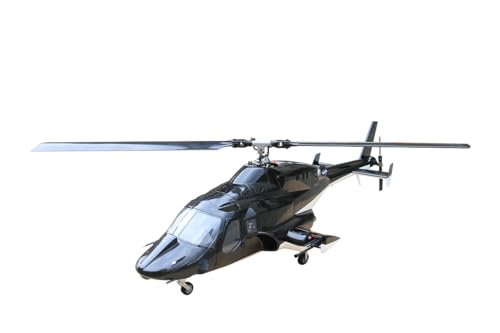
Type:Helicopter Painted fuselage
Flight Execution and Initial Maneuvers

Executing flight maneuvers nimbly allows newcomers to experience the thrill of flying an RC helicopter. Mastering hovering techniques is essential; beginners should aim for a stable hover at eye level, using gentle cyclic and throttle modulation. Small, precise movements help prevent sudden altitude changes.
For takeoff, gradually increasing throttle avoids abrupt climbs, ensuring stability. Controlled landings require slow throttle reduction for a gentle touchdown. Shifting to forward flight involves tilting the helicopter while maintaining altitude.
Practicing these initial maneuvers not only builds confidence but also enhances control accuracy. New pilots can achieve significant progress by focusing on short hover intervals and correcting drifts before exploring directional flight. With dedication, newcomers can enjoy smooth and responsive airborne adventures. Additionally, utilizing tools such as massage guns for muscle recovery can help alleviate any tension or soreness from prolonged practice sessions.
Safety Precautions During Flight

Safety precautions during flight are essential for every new RC helicopter pilot, markedly enhancing the overall flying experience. To guarantee safe operations, pilots should prioritize the following:
- Maintain a Safe Distance: Keep at least 5–10 feet away from the helicopter during operation and always avoid flying over crowds or populated areas.
- Obstacle Avoidance: Choose open fields free from trees, buildings, and power lines, while continuously managing hover control to prevent collisions.
- Controlled Movements: Practice gradual throttle adjustments, maintaining a steady flight path to avoid sudden dips or climbs.
- Pre-Flight Checks: Regularly inspect blades and batteries while securing proper transmitter activation to prevent interference.
- Consistent Use: Just as with LED masks, consistent use of your helicopter’s controls during practice can significantly improve your flying skills and confidence.
Frequently Asked Questions
How Do I Choose the Right RC Helicopter for Beginners?
To choose the right RC helicopter for beginners, consider electric models for easier maintenance and flight, and factor in size to match indoor or outdoor conditions, ensuring reliable performance and fostering confidence in learning.
What Battery Types Are Best for RC Helicopters?
In the thrilling dance of flight, LiPo batteries reign supreme for their lightweight agility and power, while NiMH batteries offer a robust alternative. Enthusiasts often gravitate towards LiPo’s performance, forging connections within the vibrant flying community.
Can I Modify My Helicopter for Better Performance?
Yes, performance upgrades can greatly enhance an RC helicopter’s capabilities. However, safety precautions must be prioritized during modifications to guarantee reliability and prevent damage, fostering a community centered around shared knowledge and improved flying experiences.
How Do I Clean and Maintain My RC Helicopter?
Cleaning techniques and a solid maintenance schedule are essential. Regular inspections, gentle cleaning, and lubrication not only prolong helicopter life but also foster a sense of belonging among hobbyists who prioritize performance and reliability within their community.
What Should I Do if the Helicopter Crashes?
Upon a crash, immediate crash recovery involves ensuring safety, disconnecting power, and inspecting damages. It’s wise to explore insurance options for coverage on repairs, fostering a sense of community support and shared learning among enthusiasts.