As an Amazon Associate, we earn from qualifying purchases. Some links on this site are affiliate links at no extra cost to you. Our recommendations are based on thorough research and editorial judgment.

Safety Tips Every RC Pilot Must Know

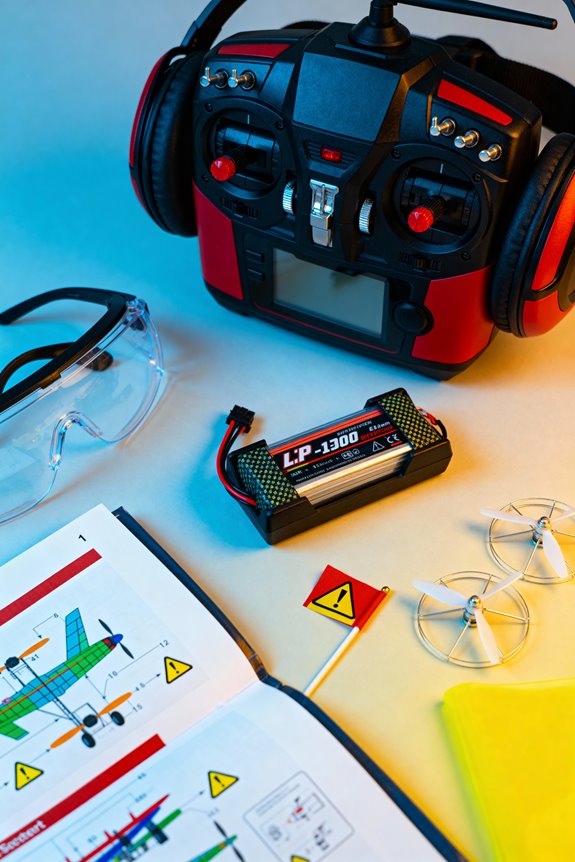
Every RC pilot should prioritize safety for an enjoyable experience. Begin with thorough Pre-Flight Safety Checks: inspect airframes for cracks, test battery levels, and secure loose connectors. Follow Operational Awareness regulations, such as yielding to manned aircraft and maintaining a clear line of sight. Develop In-Flight Safety Practices, keeping hands on controls and ensuring ample communication. Finally, create an Emergency Preparedness Plan, establishing protocols for lost connections. For more extensive insights into ensuring secure flights, continue exploring key safety measures.
Key Takeaways
- Conduct thorough pre-flight inspections of the airframe, control surfaces, and battery to ensure readiness and safety before every flight.
- Adhere to FAA regulations, keep models below 400 feet, and maintain clear communication to prevent conflicts with manned aircraft.
- Maintain a clear line of sight with your aircraft at all times and announce your flying intentions for effective in-flight communication.
- Be aware of local regulations regarding RC aircraft operations and obtain necessary permissions before flying in public spaces.
- Implement emergency protocols, such as Return to Home, and regularly conduct drills to prepare for unexpected situations during flight.
Pre-Flight Safety Checks
You may be interested

Are There Age Restrictions For Flying RC Planes?
October 8, 2025

FPV Drone Laws Explained For Beginners
October 8, 2025

RC Airplane FAQs: What Happens If The Battery Dies Mid-Air?
October 8, 2025
Before taking to the skies, it is essential for RC pilots to conduct thorough pre-flight safety checks. This involves a detailed airframe inspection, which means checking for cracks, dents, and confirming that all fasteners are secure. Ensuring control surfaces are unharmed contributes to better flight performance.
Next, a battery check is important. Pilots should verify the battery charge level and inspect for any signs of swelling or damage. Loose connectors or corroded wiring can lead to failures mid-flight. Additionally, it’s vital to ensure that batteries are stored in a safe manner to prevent potential hazards during use.
Recommended Products

Use for check LiPo LiFe Li-ion NiMH Nicd battery,the item is without the battery ,pls note it before you buying it .
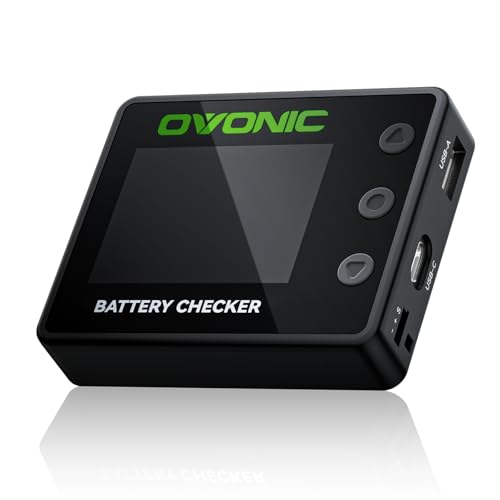
Supports LiPo, LiHV, LiFe, and Li-Ion batteries from 1S to 8S. Accurately displays total voltage and individual cell voltage for fast battery status checking.

MULTI CELL SUPPORT: Works with LiPo, Li-ion, LiFe (2–7S) and NiMH/NiCd (4–7 Cells) packs. 2 Pack
Operational Awareness and Compliance

Operational awareness and compliance are vital components of safe and responsible RC flying. Adhering to FAA regulations, NOTAMs, and TFRs is imperative. RC pilots must yield the right-of-way to manned aircraft and keep their models below 400 feet. Utilizing frequency coordination helps prevent conflicts, so it’s essential to communicate before powering on devices. When flying with a visual observer, both must maintain a clear line of sight, especially during FPV flights. Coordination between pilots is essential, especially for video transmitters to avoid interference. Establishing safety lines and maintaining distance from spectators adds further protection. By following these guidelines, RC pilots can enjoy their passion while ensuring the safety of themselves and others in the community. Additionally, understanding safety features such as auto shut-off can help prevent accidents while operating RC models.
Environmental and Airspace Considerations

How can RC pilots balance their passion for flying with the need for environmental and airspace considerations? Understanding local regulations is essential. Many parks and public lands restrict RC aircraft to protect wildlife and maintain tranquility. Flight noise can disrupt animal behavior, so it’s wise to verify permissions before flying.
Airspace Regulations
- Always check FAA airspace classifications.
- Operations in controlled airspaces (Classes B, C, D) require authorization.
Wildlife Protection
- Avoid flying near natural habitats; regulations often prohibit activities in these areas.
- Staying within the visual line of sight and avoiding crowded areas protects both people and wildlife. Regular monitoring of local regulations can help ensure compliance and promote safe flying practices.
In-Flight Safety Practices

In-flight safety practices are essential for ensuring both pilot and aircraft well-being during operations. Effective in-flight communication is critical; pilots should announce their intentions as they enter or leave active runways. Keeping hands on the transmitter sticks allows for immediate control during flight, promoting responsive maneuvering.
Controlled maneuvers are important to maintaining spatial awareness. Pilots must avoid flying over people or occupied structures and should always keep their aircraft in direct line of sight, especially when using a spotter. Additionally, maintaining radio gear battery levels is fundamental to prevent loss of control. By adhering to these guidelines, pilots can cultivate a safer flying environment, fostering camaraderie and responsibility within the RC community. Moreover, understanding safety features is crucial for preventing accidents and ensuring a smooth flying experience.
Recommended Products

2,000mAh capacity RC receiver battery pack with Hitec connector delivers 4.8V of power.

RELIABLE BATTERY UPGRADE: 7.4V 2200mAh 8C Li-Po batteries offer long-lasting, stable performance as a direct replacement for FrSky Taranis Q X7 and X7S transmitters.

【Zeee 7.2V NiMH Battery Specification】- Battery Voltage: 7.2V; Capacity: 3600mAh; Plug: Tamiya Connector.
Emergency Preparedness and Response
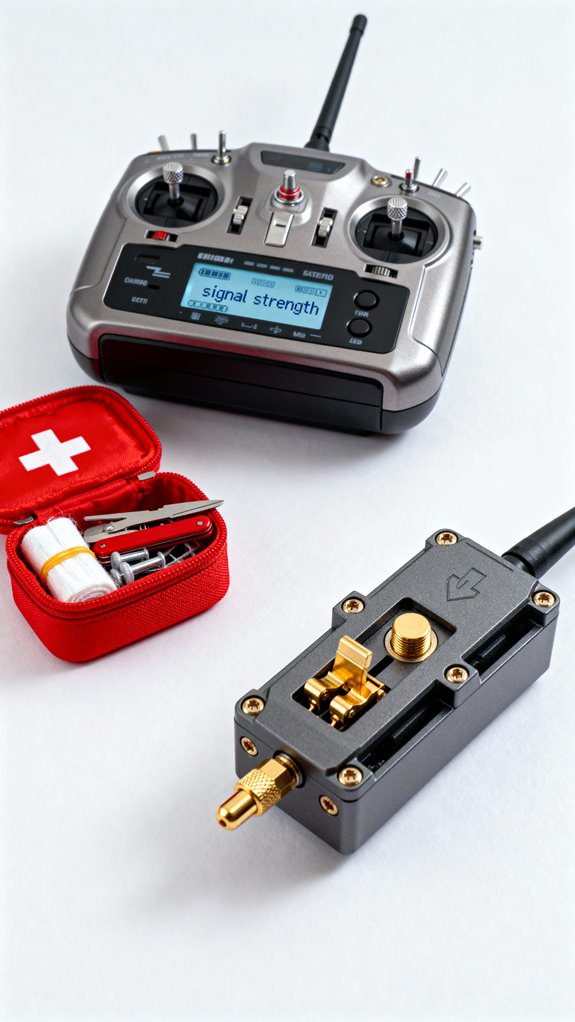
Emergency preparedness is essential for every RC pilot, especially when unexpected situations arise during flights. Implementing effective crisis management can make the difference in emergencies.
Key Protocols:
- Return to Home (RTH): Activate this mode if control is compromised.
- Visual Contact: Maintain it during fly-aways and guarantee areas are clear for safe landings.
Emergency Drills:
Having predefined emergency drills prepares the crew for real scenarios. Regular drills help everyone understand their roles, from monitoring systems to providing first aid for pilot incapacitation.
Communication:
Stay in continuous contact with your crew. Use two-way radios for efficient coordination and status updates.
Preparedness:
Confirm your equipment has fail-safes, and conduct pre-flight checks for battery health. Being ready enhances safety and fosters a supportive flying environment. Additionally, ensuring that your equipment has safety features can significantly reduce risks during unexpected events.
Recommended Products

Compared to walkie-talkies with sharp and long antennas; the RT22 has a thumb-length antenna and a blunted antenna angle; which improves the safety of family members during use

After-sales service : pxton walkie talkies, provide lifetime customer service. If you have any problems, please tell us through the Amazon platform,our professional team will solve your after-sales problems as soon as possible.
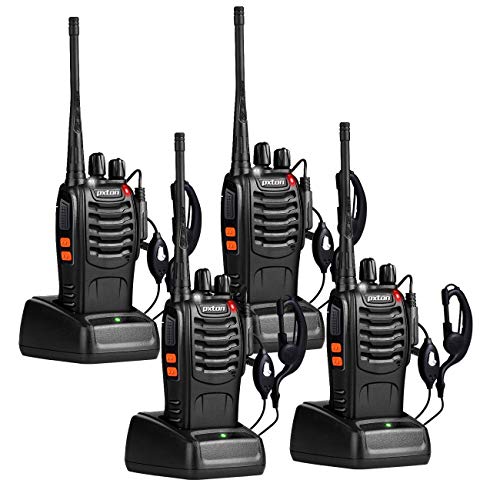
【Diversified functions】FCC ID: 2AX68PX-888S, 16 preset channels can be selected by rotating the knob on the 2 Way Radios to select any channel within the frequency range; you can program 50 CTCSS audio and 105 CDCSS audio on each programmed channel, The Two-Way Radios has the functions of VOX voice control, scanning, low battery alarm and night flashlight,etc;package contains (walkie talkie, battery pack, Charger, belt clip, hand strap, Earpieces) X 4 and user manual.
Maintenance and Documentation
Maintenance and documentation play a crucial role in the longevity and performance of RC aircraft. Engaging in routine inspections guarantees that all components function at their best. Regular checks on hinges, linkages, and control surfaces help prevent control issues, while tightening screws avoids in-flight failures.
Post-flight cleaning, including inspecting for damage and examining motor temperature, enhances safety.
Additionally, proper storage is important. Removing batteries and keeping aircraft in a climate-controlled environment can prevent deterioration. Using high-quality batteries like Duracell Coppertop 9V Batteries ensures reliable power for electronic components.
Maintenance logs are essential for tracking inspections, repairs, and flight hours. Keeping detailed records enables pilots to stay organized and informed about their aircraft’s condition. Committing to these practices fosters a sense of belonging in the RC community, where safety and performance go hand in hand.
Recommended Products

All-in-one RC flight log system with 4 dedicated sections for complete pilot organization

Simple and easy way to log every RC flight, including date, aircraft, location, duration, and notes

All In One Equipment Maintenance Log Book With Detailed Fields:This equipment maintenance log book is designed for complete tracking of machinery and equipment performance Featuring pre-printed sections for Equipment Name Manufacturer Name Model Number Serial Number Purchase Date Item Location and Additional Information this repair log book ensures accurate and consistent service records
Best Practices for Recreational Flying
Recreational flying offers an exciting way to experience the joy of piloting without the complexities often associated with professional aviation. To guarantee safe maneuvers and an enjoyable experience, pilots should adhere to the following best practices:
Flight Planning and Site Selection
- Assess sites for hazards, wind, and weather.
- Choose compliant fields and establish boundaries for safety.
Pre-Flight Actions and Checks
- Inspect aircraft for damage and secure all components.
- Charge batteries according to specifications and conduct range checks.
Safe Flying Practices
- Maintain visual line of sight with the aircraft and avoid populated areas.
- Practice within skill levels and avoid reckless maneuvers.
Battery and Equipment Safety
– Handle LiPo batteries carefully and monitor their condition.
Frequently Asked Questions
What Should I Do if My RC Aircraft Crashes?
What should one do in the unfortunate event of an RC aircraft crash? Immediate crash recovery involves disconnecting the battery, followed by a thorough damage assessment to guarantee safety before attempting to retrieve or repair the aircraft.
How Can I Improve My Piloting Skills Quickly?
To improve piloting skills quickly, one should engage in flight simulations and establish structured practice routines. Focusing on specific maneuvers while varying aircraft types fosters proficiency and instills confidence, enhancing the overall flying experience.
What Equipment Is Essential for Beginner RC Pilots?
For beginner RC pilots, essential gear includes a reliable transmitter, receiver, and electric motor, alongside basic tools like spare props and chargers. This foundational equipment fosters a sense of belonging within the thrilling aerial adventure community.
Are There Specific Safety Gear Requirements for RC Flying?
Specific safety gear requirements for RC flying include protective equipment like safety goggles, ear protection, gloves, and sturdy footwear. These items enhance pilot safety and comfort, fostering a sense of community and responsibility among enthusiasts.
How Do I Choose the Right Flying Location?
In choosing the right flying location, one must consider weather conditions, local regulations, and available space. Selecting sites with ideal safety features fosters community, ensuring an enjoyable and responsible experience for all enthusiasts in the hobby.
