As an Amazon Associate, we earn from qualifying purchases. Some links on this site are affiliate links at no extra cost to you. Our recommendations are based on thorough research and editorial judgment.


Are There Age Restrictions For Flying RC Planes?

Age restrictions for flying RC planes vary by region and regulations. The FAA requires pilots to register once they turn 13 years old. Manufacturers typically recommend models for ages 10 and up, promoting safe learning with adult supervision. Local laws may enforce additional requirements, such as mandatory supervision for operators under 17 in regions like Phoenix. Understanding these guidelines and regulations is essential for safe and responsible flying, and further details can help navigate this exciting hobby.
Key Takeaways
- The FAA mandates a minimum age of 13 for registering as a pilot of RC aircraft.
- Manufacturers generally recommend RC planes for ages 10 and up with adult supervision.
- Younger pilots can fly under adult supervision regardless of age, with legal responsibility falling on the adults.
- Local regulations may impose additional age restrictions, such as requiring supervision for those under 17.
- Completing the TRUST test is necessary for all ages to ensure understanding of safety practices and regulations.
Understanding FAA Registration Requirements
You may be interested


When engaging in the hobby of flying remote-controlled (RC) planes, it is essential for enthusiasts to understand the Federal Aviation Administration (FAA) registration requirements. The FAA mandates that any RC aircraft weighing over 0.55 pounds (registration weight) must be registered. This applies once per pilot, not per plane, ensuring all eligible aircraft owned are covered by one registration.
Registration costs $5 and is valid for three years, requiring a simple online process. Pilots obtain a certificate to carry during flights. Additionally, to comply with regulations, pilots must also complete pilot certification by passing the TRUST test for recreational flying. Adhering to these requirements enhances safety and enables a fulfilling flying experience within the community. Using registered devices, like TENS units for pain relief, can also be beneficial for enthusiasts who may experience discomfort during prolonged flying sessions.
Recommended Products

Stable and Easy to Control: The 1300mm BGFT is a high-quality remote-controlled trainer plane that is stable, easy to control, and perfect for adults. It provides an excellent flying experience for both beginners and experienced enthusiasts. Its durability make it a collectible model.

Authentic Replication✈️: Authorized by Textron Innovations Inc., the FMS 1500mm Cessna 182 not only replicates the stability, reliability, flexibility, and ease of operation of the real airplane but also breaks the limits of realism achievable by airplane of the same size and type with its lifelike exterior details, providing users with the closest experience to real flight.

Scale replica of one of the most iconic and recognizable fighters ever flown by the U.S. Navy
Manufacturer Age Recommendations

- Planes for Ages 10 and Up: These models are designed to be simple and easy to fly but require adult supervision, making them suitable for young beginners.
- Planes for Ages 14 and Up: Advanced models, like the E-flite F4U-4 Corsair 1.2m, target experienced users and feature sophisticated controls and technology.
Manufacturer guidelines play an essential role in determining age appropriateness, ensuring safe operation while promoting skill development. Aligning model complexity with maturity helps build confidence and fosters a supportive learning environment for all users. Additionally, understanding the safety features importance in RC plane operation can further enhance user experience and prevent accidents.
Recommended Products

Iconic Scale Design:This 1/34 UH-1 Huey replica features authentic detailing, rescue livery, and bright LED lights. Its high-strength nylon body and carbon fiber rotors balance durability with realistic aesthetics for collectors and pilots alike

🚀POWER SYSTEM UPGRADE*:The Futura V3 Rc airplane power is an industry-leading 100A ESC paired with an uprated 3665-KV2000 motor turning an 80mm 12 bladed fan- delivering breathtaking power with absolute confidence.

EASY TO FLY RC AIRPLANE: Equipped with exclusive SAFE technology that helps prevent crashes and makes it easy to learn how to fly.
Legal Considerations for Flying Age

How do age requirements impact the enjoyment of flying RC planes? Understanding age-related legalities plays an essential role in fostering a welcoming environment for all aspiring pilots. The FAA mandates that individuals must be at least 13 years old to register as operators, which creates legal liabilities for those under this age. However, there are age exemptions allowing children to fly under the supervision of a registered adult.
Key points include:
- Registration must be displayed on aircraft over 250 grams, linking operators to their planes.
- Parents or guardians assume legal responsibility, ensuring compliance with regulations.
- Local or state laws may enforce additional supervision for minors. Additionally, consistent use of appropriate safety measures is crucial for ensuring the well-being of young pilots.
This balanced framework nurtures safety while promoting access to the exciting world of RC flying.
Recommended Products
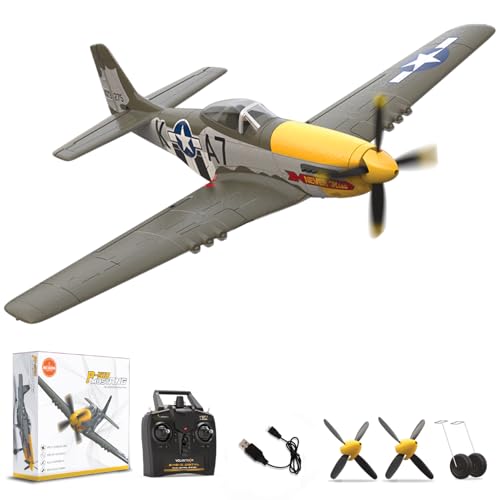
Perfect for All Skill Levels: Featuring the advanced Xpilot gyro stabilizer system and three levels of flight control assistance, this RC plane caters to both beginners and experts. Whether you're just starting out (with full assist for an easy, stable flight), progressing to intermediate skills (with partial assist for more control), or a seasoned pro (with full manual control for ultimate freedom), this plane ensures an exciting experience at every stage. Perfect for building confidence, mastering new skills, or showcasing your expertise from the start!

IDEAL FOR ALL SKILL LEVELS: Whether you're a beginner or an expert, this rc plane is designed to cater to all. Equipped with the Xpilot gyro stabilizer system and 3 level flight control assist (Beginner, Intermediate, Expert), it ensures that beginners can learn at their own pace while experts can showcase their skills effortlessly.

The most capable, durable, and easiest-to-fly ultra-micro trainer for first-time pilots and experienced pilots who teach others to fly
Practical Considerations for Young Pilots

With the legal framework guiding young pilots established, practical considerations become paramount for fostering their flying experience.
Youth Training Opportunities
Numerous RC clubs offer structured youth training programs. These initiatives often pair beginners with certified instructors, ensuring a solid foundation for skill progression.
Skill Development
Training generally starts with slow-paced trainer aircraft, allowing young pilots to master core concepts before advancing to complex models. Flight simulations also play an important role, enabling risk-free practice.
Community Support
Local clubs provide a sense of belonging, fostering connections among peers. Participation in community events and recognition of milestones boosts motivation, nurturing ongoing involvement and commitment to learning. Additionally, many clubs emphasize customizable training programs, tailoring lessons to fit individual skill levels and interests.
These elements together create a supportive environment essential for young pilots to thrive in their RC flying journey.
Recommended Products

The most durable and perfect trainer for first-time pilots and experienced pilots who teach others to fly
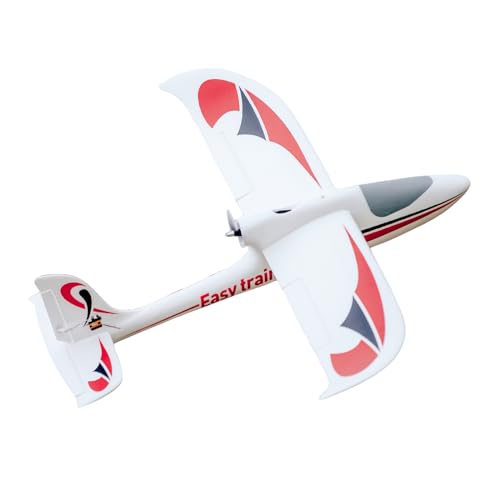
Enhanced Safety: Designed with a pusher configuration,it’s also a great FPV platform as there is no propeller obstructing the view ahead! while ensuring added safety.

[Easy to Fly RC Plane] With its powerful motor-gear system and Xpilot gyro stabilizer, this stable, remote-controlled aircraft allows pilots to perform aerobatics and fly in light wind. An ideal RC airplane for grownups just starting out
Safety Guidelines for Flying RC Planes

Flying RC planes safely requires adherence to established guidelines that guarantee both pilot enjoyment and community safety. To foster responsible flying, operators are encouraged to follow safety protocols that establish respect for fellow fliers and local regulations.
Key Safety Guidelines:
- Visibility: Keep aircraft within visual line of sight, or use a visual observer.
- Altitude Restrictions: Avoid flying above 400 feet to prevent manned aircraft interference.
- Pilot Training: Complete the TRUST test to understand airspace rules and safety practices.
To maintain a positive flying environment, operators should follow maximum noise level restrictions, limit simultaneous flights, and be prepared to show identification at club sites. Familiarizing themselves with these guidelines not only enhances personal skills but also promotes camaraderie within the flying community. Additionally, ensuring that operators are aware of safety mechanisms like auto shut-off features can help prevent accidents during flights.
Differences Between RC Planes and Drones
The world of remote-controlled aviation is diverse, encompassing various aircraft types tailored for distinct experiences.
Design and Structure
RC planes feature fixed wings made from lighter materials, prioritizing simplicity. Drones, on the other hand, are sturdier, often constructed from advanced composites, featuring multiple rotors for vertical takeoff.
Control and Stability
Drone advantages include automatic stabilization with GPS and sensors, making them easier for beginners to fly. RC planes demand greater skill from pilots, requiring manual control of surfaces like ailerons.
Applications and Versatility
While RC planes focus on traditional flying skills and aerobatics, drones serve broader purposes, such as photography and surveying. This versatility highlights their growing appeal among aviation enthusiasts. Additionally, hand massagers can also enhance relaxation and relieve tension, making them popular among hobbyists engaged in remote-controlled flight.
Both offer unique experiences and opportunities for skill development in the domain of remote-controlled flight.
Recommended Products
Ready-to-Go Installation – Preassembled and prewired winch makes installation fast and easy—just bolt it on and connect to your battery |
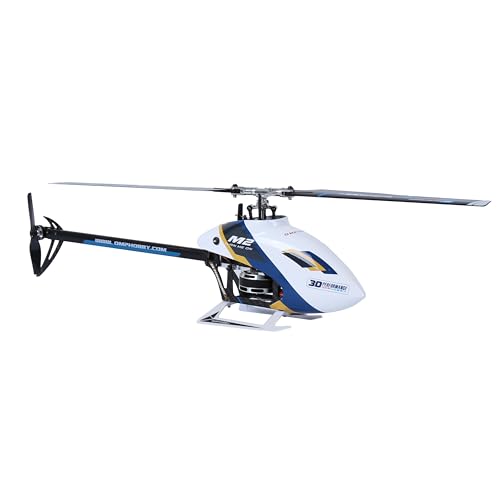
【SEVEN MAJOR UPGRADES】 Through smartphone APP to adjust flight control parameters; Telemetry support; simplified flight setup; Resistance improved vibration; Optimized swashplate geometry; Improved tail control performance; Power upgrade and provided upgrade kit for M2 EVO MK2 mini helicopter.

EASY TO FLY RC AIRPLANE: Based on one of the best first and high-performance EDF (Electric Ducted Fan) jet platforms ever designed — the legendary Habu.
Understanding the Registration Process
Maneuvering through the registration process for remote-controlled aircraft can seem intimidating, but understanding the essential requirements makes it manageable.
Registration Essentials
- Who Must Register: Any small unmanned aircraft over 0.55 pounds requires FAA registration before outdoor flights.
- Age Eligibility: Registrants must be 13 years or older. If under 13, a guardian must assist in registration.
Steps to Register
- Online Registration: Owners can easily register through the FAA Drone Zone for models under 55 pounds.
- Documentation Required: Complete an Aircraft Registration Application and provide details like aircraft specifications.
Benefits of Registration
– Obtain a unique registration number valid for all eligible models owned, ensuring compliance and safety while flying.
The Importance of Supervision
Safety is paramount in the domain of remote-controlled aircraft, making supervision an essential aspect of flying these hobbyist devices. Supervision benefits both novice pilots and experienced flyers alike, providing guidance and enforcing safety rules.
- Enhanced Safety Compliance: Supervisors help maintain situational awareness, particularly with First-Person View (FPV) operations, ensuring models stay within Visual Line of Sight (VLOS).
- Mentoring Experiences: Supervision allows for real-time feedback, boosting confidence and operational skills. Inexperienced pilots learn procedural checks, while seasoned flyers fine-tune their techniques.
- Improved Emergency Response: Supervisors play a critical role during emergencies, coordinating communications and executing evasive maneuvers.
Ultimately, supervision fosters a supportive community, empowering pilots to enjoy their passion responsibly and safely.
Local Regulations and Restrictions
While many enthusiasts enjoy flying remote-controlled (RC) planes, understanding local regulations and restrictions is essential to assure a compliant and enjoyable experience. Local ordinance variations can greatly influence flying activities, particularly for younger enthusiasts.
- Age Restrictions: In some areas, such as Phoenix, children under 17 may need adult supervision in city parks.
- Designated Areas: Local flying rules often identify specific zones for more powerful aircraft, promoting safety and responsible use.
Being aware of these regulations not only guarantees compliance but fosters a sense of community among flyers. It is beneficial for families and friends to partake in shared experiences while adhering to established safety practices. Consequently, understanding local regulations nurtures an inviting atmosphere for all RC plane lovers.
Frequently Asked Questions
Can Younger Children Learn to Fly With Flight Simulators?
Younger children can indeed learn to fly with flight simulators, experiencing thrilling benefits of simulations that develop skills like navigation and problem-solving, fostering belonging in an exciting community of budding aviators ready to soar!
What Types of RC Planes Are Best for Beginners?
Beginner models featuring high-wing designs and tricycle landing gear enhance stability and control. Essential features like flight assistance technology and durable materials promote confidence, making these planes ideal for newcomers enthusiastic to enter the RC flying community.
Are There Restrictions on Flying RC Planes at Night?
Night flying regulations mandate proper anti-collision lighting and adherence to community safety guidelines. Steering the nighttime sky requires understanding unique safety challenges, emphasizing the importance of preparation and responsible practices for a fulfilling flying experience.
How Can I Find Local Flying Clubs for Support?
To find local flying clubs for support, individuals can utilize online resources like the AMA Club Finder and community directories. Joining a club offers numerous benefits, including training opportunities, camaraderie, and access to specialized flying environments.
What Should I Do if My RC Plane Goes Out of Control?
In the event of an RC plane going out of control, implementing safety measures like cutting throttle and employing recovery techniques such as correcting inputs can help stabilize the aircraft and minimize risks to people and property.