As an Amazon Associate, we earn from qualifying purchases. Some links on this site are affiliate links at no extra cost to you. Our recommendations are based on thorough research and editorial judgment.


FPV Drone Laws Explained For Beginners

Understanding FPV drone laws is essential for beginners. Registration with the FAA is mandatory for drones over 0.55 pounds, costing $5 and valid for three years. Operators must maintain visual line of sight (VLOS) and utilize a visual observer for FPV flight. Adhering to altitude limits of 400 feet AGL is important. Additionally, privacy regulations dictate consent for recording, and it’s critical to navigate no-fly zones to guarantee compliance. Keep exploring to uncover more about responsible flying and regulations.
Key Takeaways
- FPV drone pilots must obtain proper certification and adhere to FAA regulations for safe operation in controlled airspace, including prior permission from Air Traffic Control.
- Maintaining visual line of sight (VLOS) is crucial; a visual observer (VO) is often required to assist the pilot during FPV flight.
- Drones must be registered with the FAA if they weigh between 0.55 and 55 pounds, displaying the registration number during operation.
- Pilots are prohibited from flying over groups of people or vehicles without FAA approval, ensuring safety during all flights.
- Utilizing the FAA’s B4UFLY app helps pilots stay updated on regulations, no-fly zones, and any temporary flight restrictions before flying.
Understanding Registration and Legal Requirements
You may be interested


When delving into the world of FPV drones, understanding the registration and legal requirements is essential for safe and compliant operation. Drones weighing between 0.55 pounds and 55 pounds must be registered with the FAA, which incurs a registration fee of $5 per drone, valid for three years. Owner responsibilities include providing personal information, the drone’s manufacturer, and model during registration. The FAA registration number must be visibly displayed on the drone during operation. Failure to register can lead to civil penalties or criminal charges. For those operating drones over 55 pounds, mail-in registration is necessary. Consequently, every FPV drone owner should be aware of these requirements to enjoy their hobby responsibly and safely within the drone community. Additionally, understanding safety mechanisms like auto shut-off can help prevent accidents during operation.
Visual Line of Sight (VLOS) Regulations

Understanding drone registration lays the groundwork for comprehending the operational regulations that follow, particularly Visual Line of Sight (VLOS) requirements. VLOS mandates that drone operators maintain direct visual contact with their drone, ensuring safety through visual awareness. This requirement, a core component of FAA Part 107 rules, helps in avoiding potential hazards and collisions with other aircraft, as operators can swiftly respond to dynamic situations.
Key aspects of VLOS include:
- Direct Visual Contact: Binoculars or cameras cannot substitute for the unaided eye, emphasizing the need for clear line-of-sight.
- Limitations: Environmental factors like lighting and terrain can challenge maintaining VLOS, impacting operational scope. Additionally, operators should be aware of the importance of safety features in their drones to enhance overall operational security.
Recommended Products

【Dual-Function Innovation】**Combines mechanical claw grasping & precision airdrop system in one kit, enabling rescue operations/fishing/delivery missions with 3lbs payload capacity

✔️ 【EASY INSTALLATION】: Quickly mount the claw to the bottom of your drone with the supplied mounting bracket for simple setup and use right out of the box.

【Compatibility】Universally Drone Airdrop System, for DJI Mini5 Pro/Mini4/Mini3/Mini2/Air2/Air2S/Mavic4/Mavic 3/Mavic 2 Series Drone/Spark.(Note: but not suitable for phantom 3/4 &Inspire1/2 drone)
Specific Rules for FPV Flight

To safely engage in First Person View (FPV) flight operations, specific regulations must be adhered to, ensuring both compliance and safety.
Flight Permissions
Achieving FAA compliance involves acquiring the proper pilot certification and following airspace regulations. Operators need to obtain permission from Air Traffic Control (ATC) when flying in controlled airspace.
Observer Responsibilities
A dedicated Visual Observer (VO) is essential during FPV flights, maintaining direct, unaided visual contact with the UAV. This role includes alerting the pilot about nearby aircraft and hazards. Additionally, just as TENS units require consultation with healthcare professionals for safe use, FPV operators should ensure they are knowledgeable about the regulations before flying.
Recommended Products

DJI FPV FLY MORE KIT: It is designed for those who want to extend and guarantee the flight time of their drone, thanks to the two smart batteries and the multiple charging station included

Package Dimensions: 188.0 mm (L) x 150.0 mm (W) x 54.0 mm (H)

【𝐀 𝐆𝐢𝐟𝐭 𝐓𝐡𝐚𝐭 𝐃𝐞𝐥𝐢𝐯𝐞𝐫𝐬 𝐑𝐞𝐚𝐥 𝐐𝐮𝐚𝐥𝐢𝐭𝐲】Give him a present that stands out. Powered by a 1/2" Sony CMOS and a bright f/1.8 aperture, the HS600D captures publish-ready 4K HDR video and crisp 8K/48MP photos with richer detail and cleaner low-light performance. Perfect for recording holiday moments, weekend adventures, and the memories that matter.
Flight Restrictions and Operational Limits
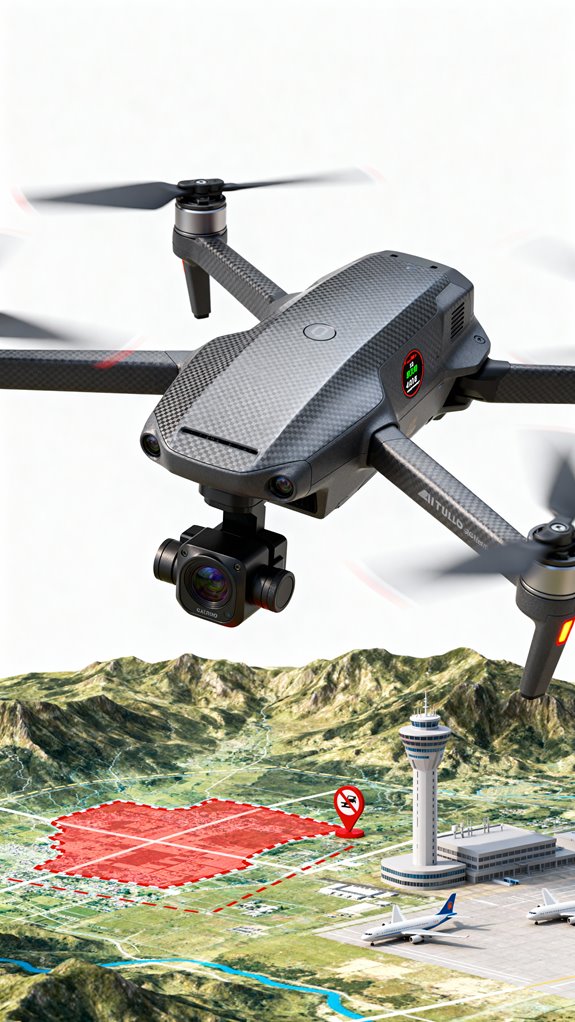
In the domain of FPV drone operations, adherence to flight restrictions and operational limits is essential for safety and legal compliance. Understanding these rules helps to foster a responsible drone community.
Recommended Products
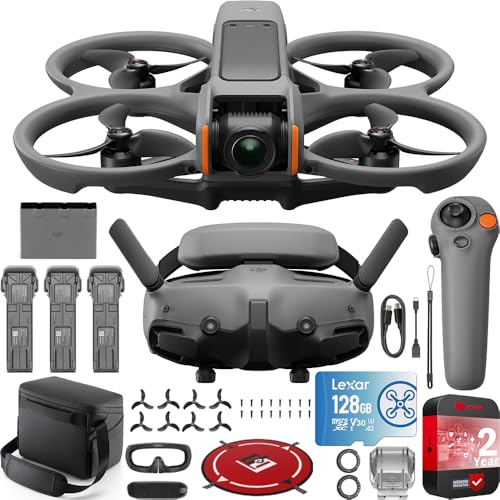
DJI USA Authorized - Includes Full USA Warranty + 2 Year CPS Extended Warranty! DJI AVATA 2 - All Thrills, No Frills | Unlock Adrenaline-Pumping Immersive Flying - Prompt visual feedback through goggles as if you were right there in the cockpit, enjoying a breathtaking perspective, pure thrill and total freedom. | Hassle-Free POV Content, Film making at launch - Ready to help capture high quality POV content, and LightCut app offers numerous templates to make your content creation a breeze.

DJI FPV Drone Replacement Aircraft ONLY for Crash or Lost Drone

𝐘𝐨𝐮𝐫 𝟏𝐬𝐭 𝐃𝐈𝐘 𝐃𝐫𝐨𝐧𝐞 - F450 is the best DIY quadcopter drone for both beginners to learn the basics and experts to conduct research or secondary development.
Flight Altitude Limits
- The maximum flight altitude is 400 feet AGL.
- Areas with controlled airspace may have stricter limits via LAANC.
Operational Hazards
- Pilots must maintain visual line of sight (VLOS), which usually requires a co-located visual observer.
- Avoid flying over groups of people or vehicles without FAA approval.
Authorization Requirements
– Flight near airports usually requires a 5-mile exclusion zone without explicit authorization.
Understanding the importance of safety features can further enhance your FPV flying experience.
Staying aware of these limits enhances safety and integrates drones harmoniously within shared airspace.
Privacy and Data Regulations

As FPV drone usage continues to grow, the importance of adhering to privacy and data regulations becomes increasingly prominent. Understanding local and federal laws is essential for operators enthusiastic to respect privacy expectations.
- Many states protect personal privacy by prohibiting unauthorized recording, especially in sensitive areas like backyards or homes.
- Operators should always obtain consent before capturing images on private property to avoid legal issues.
- The FAA’s Remote ID adds accountability, providing flight data but also raising concerns around operator privacy.
- Data security is critical, as drone-captured information falls under strict regulations, including the need for informed consent before sharing any recorded data. Additionally, operators should consider the natural alternative of using drones for non-invasive surveying to minimize privacy concerns.
Safety Practices for Beginner Pilots
Safety is paramount for beginner pilots venturing into the exciting world of FPV drone flying. To guarantee a safe flight experience, it’s vital to conduct thorough pre-flight checks. This includes verifying battery health, control functionality, and receiver signal strength. Selecting a flying environment is significant; choose open areas away from people, animals, and vehicles to minimize risk.
Establish emergency protocols; familiarize yourself with the Return to Home (RTH) function, manual recovery techniques, and emergency stop controls. Always maintain visual line of sight with your drone, and fly cautiously, gradually changing speed and direction. Using a spotter can enhance safety awareness. Additionally, incorporating safety features like auto shut-off timers can help prevent accidents. With these practices, beginner pilots can confidently explore the skies while prioritizing safety above all else.
Differences Between Recreational and Commercial Use
Understanding the distinction between recreational and commercial FPV drone usage is essential for pilots looking to navigate this evolving landscape.
Recommended Products

𝐘𝐨𝐮𝐫 𝟏𝐬𝐭 𝐃𝐈𝐘 𝐃𝐫𝐨𝐧𝐞 - F450 is the best DIY drone for both beginners to learn the basics and experts to conduct research or secondary development.
DJI FPV Drone Replacement Aircraft ONLY for Crash or Lost Drone

Immersive & User-Friendly Gear: The Aquila20 FPV Kit includes the comfortable, glasses-friendly VR04 Goggles with one-button recording and up to 2 hours of standby(micro card excluded). The LiteRadio 4 SE Transmitter offers precise control, Bluetooth connectivity for simulators, and 8+ hours of battery life. Together, they provide a seamless, high-quality FPV experience right out of the box
Recreational Use
- Definition: Flying for fun without any business or compensation.
- Regulations: Governed by simplified rules under FAA’s Exception for Limited Recreational Operations (Section 44809).
- Benefits: Enjoy the thrill and community of flight without rigorous regulations.
Commercial Use
- Definition: Operating drones for work or receiving compensation.
- Regulations: Subject to stricter FAA guidelines (Part 107) and requires certifications.
- Implications: Involves complex compliance, including insurance and safety protocols.
Both uses serve different desires. Recreational flying embraces personal enjoyment, while commercial operations focus on enterprise and responsibility. Understanding these differences helps align drone activities with legal expectations.
Required Certifications for Commercial Operators
When considering commercial drone operations, obtaining the proper certifications becomes a critical step toward compliance and safety. The certification process involves several key steps that aspiring operators must navigate successfully.
- Age and Communication: Operators must be at least 16 years old and proficient in English for effective communication.
- Aeronautical Knowledge Test: Passing the FAA Part 107 Aeronautical Knowledge Test is essential, covering airspace classification, weather impacts, and emergency procedures.
- Application: After passing, candidates apply for the Remote Pilot Certificate via FAA Form 8710-13, subject to TSA background checks.
- Recurrent Training: Certification must be renewed every 24 months to guarantee ongoing readiness.
Recommended Products


Navigating No-Fly Zones and Safety Protocols
How can FPV drone operators effectively navigate the complexities of no-fly zones and safety protocols? Understanding no-fly maps is crucial. These maps indicate restricted areas, including airports, military bases, and national parks. Operators must respect airspace categories, particularly when flying in controlled airspace (Classes B, C, D, and some Class E), requiring FAA authorization.
To maintain safety, drone operators should:
- Use the FAA’s B4UFLY app to stay updated on no-fly zones and Temporary Flight Restrictions (TFRs).
- Adhere to altitude limits, staying below 400 feet AGL.
- Avoid flying over crowds or emergency scenes.
Following these protocols not only guarantees legal compliance but fosters a respectful drone community that values safety.
Frequently Asked Questions
What Equipment Do I Need to Start Flying FPV Drones?
To start flying FPV drones, one needs a suitable drone type, reliable batteries for ideal battery life, a radio controller, FPV goggles, and essential tools for maintenance, fostering a sense of belonging in the community.
How Do I Choose the Right FPV Goggles?
Choosing FPV goggles involves evaluating goggle features like resolution and field of view while ensuring a comfort fit through ergonomic designs. Prioritizing comfort enhances the flying experience, fostering a sense of connection within the FPV community.
Are There Specific Brands Recommended for Beginners?
Like a guiding compass, beginner brands such as DJI, Autel, and HoverAir offer recommended models that ease novices into the FPV world with user-friendly features, ensuring members of this community feel supported and confident in their journey.
Can I Modify My Drone After Purchase?
Yes, individuals can modify their drones after purchase, including performance upgrades. However, it’s essential to guarantee modifications comply with FAA and FCC regulations to maintain legality and guarantee safe operation within the drone community.
How Can I Find Local FPV Flying Communities?
In a digital age reminiscent of community bulletin boards, one can discover local FPV flying communities through online forums and by attending local meetups, fostering connections with fellow enthusiasts enthusiastic to share experiences and knowledge.