As an Amazon Associate, we earn from qualifying purchases. Some links on this site are affiliate links at no extra cost to you. Our recommendations are based on thorough research and editorial judgment.


Why Do Some Planes Have A Pusher Propeller?

Some planes use a pusher propeller configuration for several reasons. Structural benefits include enhanced durability, reduced mechanical stress, and improved weight distribution. Additionally, rear-mounted engines boost pilot visibility during takeoff and landing, which aids safety. However, pusher designs face challenges such as turbulence and maintenance access. Despite these drawbacks, innovations like composite materials and variable pitch mechanisms promise future improvements in efficiency and performance. Discover more about the various aspects of pusher propeller technology and their applications.
Key Takeaways
- Pusher propellers compress loads, enhancing drive shaft durability and reducing mechanical stress compared to traditional puller designs.
- Rear-mounted propellers improve pilot visibility during takeoff and landing, enhancing situational awareness and accident prevention.
- Safety is increased as engine hazards are directed away from the crew compartment and fuel leaks are minimized.
- Pusher configurations enable simplified airframe designs, reducing weight by minimizing necessary support structures.
- Advanced material and design innovations in pusher propellers optimize aerodynamic efficiency and performance in modern aircraft.
Structural and Mechanical Advantages of Pusher Propellers
You may be interested


Pusher propellers offer notable structural and mechanical advantages that can enhance aircraft performance and longevity. By positioning the engine at the rear, these configurations provide significant benefits.
- Drive Shaft Durability: Pusher setups load the drive shaft under compression, reducing mechanical stress. This design extends the longevity of drive components compared to traditional puller designs.
- Engine Placement Safety: Placing the engine behind the crew compartment directs hazards away from occupants, enhancing safety. This setup also minimizes risks during pilot entry and exit, making it particularly beneficial for ultralight and small aircraft.
With fewer support structures needed and a simplified airframe design, pusher propellers can lead to weight reduction, further benefiting overall aircraft performance while ensuring crew safety remains a priority. Additionally, the use of high-quality materials in pusher propeller designs can enhance durability and overall performance.
Aerodynamic and Efficiency Considerations
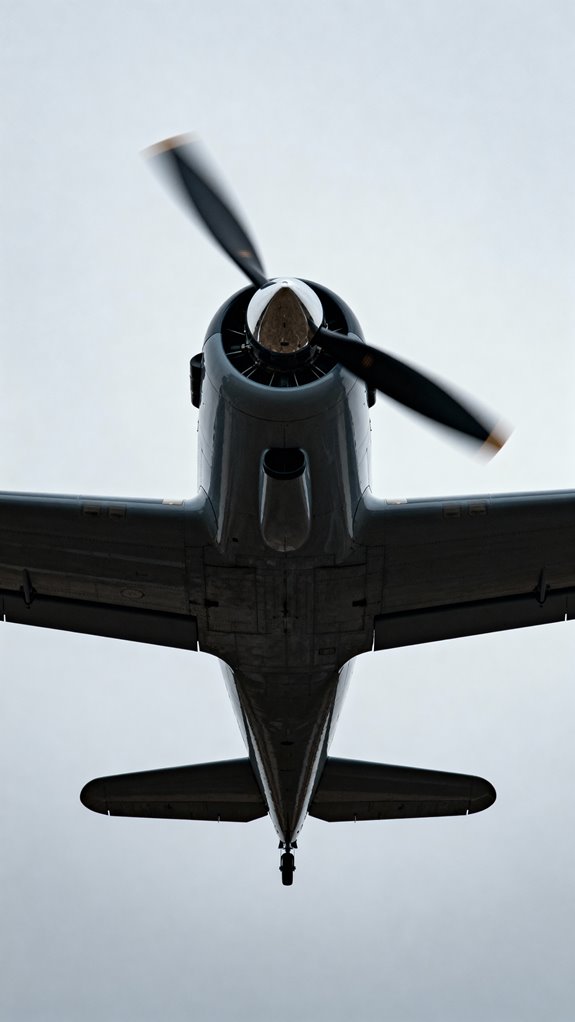
While exploring the aerodynamic and efficiency considerations of aircraft, it becomes essential to understand the impacts of propeller placement on overall performance. Pusher propellers, located behind the aircraft structure, can lead to certain aerodynamic challenges.
- Aerodynamic Efficiency: Typically, propellers perform best with smooth, uniform airflow. However, pusher configurations generally ingest turbulent air, decreasing overall propulsion efficiency.
- Fuselage Design: While a pusher design may shorten fuselage length and reduce drag, the advantages often do not compensate for the inefficiencies presented by turbulent airflow.
- Cooling Challenges: Efficient engine cooling can also be an issue since airflow directed at the engine is reduced, complicating the balance of aerodynamic efficiency and thermal management. Additionally, the design must consider safety features to ensure reliable operation under varying conditions.
Recommended Products
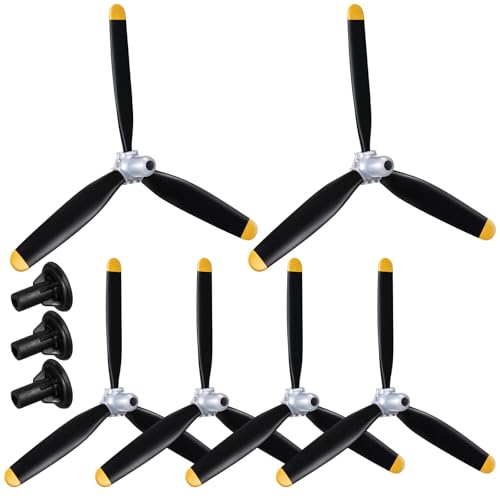
Package Includes: there are 6 pieces of F4U spare RC plane propellers and 3 pieces of plane adapters, enough quantity to meet your using and replacement needs, no worry about that you will run out of them soon

Complete Accessories: you will get 6 pieces of spare replacement 4 blade plane propellers compatible with 500MM P51 RC plane, 4 channel remote control airplane, 6 pieces of plane propeller savers and 2 pieces of plane adapter, enough to meet your replacement requirements; No more worries about missing accessories, compromising your flying session

Designed for STEM Projects: This 30-pack of 6-inch plastic propellers is specifically engineered for rubber band-powered creations, including airplanes, helicopters, and propeller-driven cars.
Visibility, Safety, and Operational Benefits
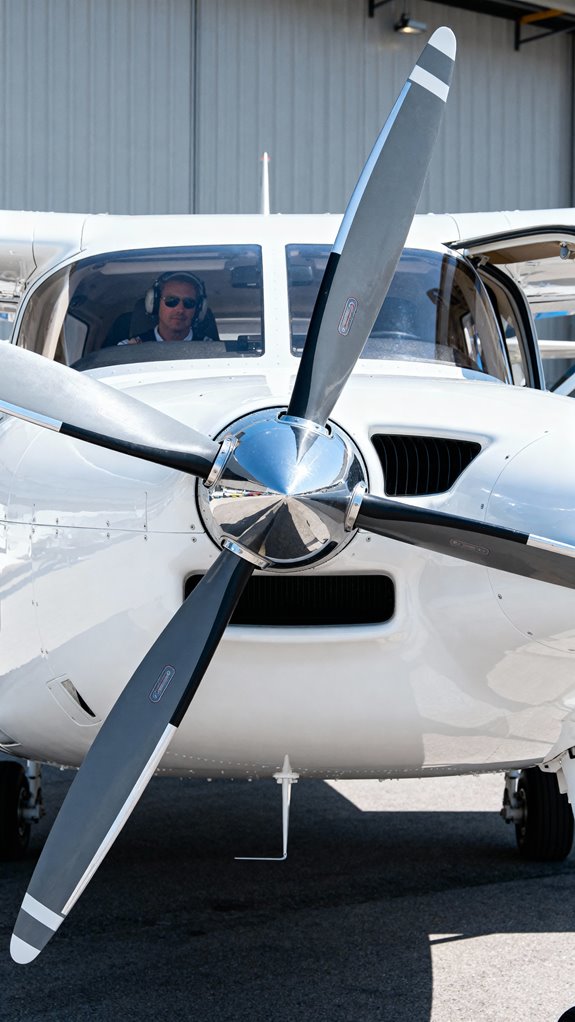
Aircraft design often prioritizes visibility, safety, and operational advantages, particularly in configurations featuring rear-mounted propellers.
Enhanced Pilot Visibility
Rear-mounted propellers improve pilot visibility, offering an unobstructed view essential for takeoff and landing. This clear line of sight enhances awareness of runway and obstacles, which considerably aids accident prevention.
Safety Benefits
Placing engines behind the crew compartment minimizes risks from fuel leaks and propeller contact, promoting safety for occupants and ground personnel. In crashes, the design helps protect pilots, reducing injury severity.
Operational Advantages
The layout allows for a shorter fuselage, improving weight distribution and balance. It also enhances noise and vibration reduction in the cockpit, creating a more comfortable flying experience, making it practical for various aircraft types. Additionally, this design can optimize customizable massage experiences that cater to individual preferences, similar to how tailored configurations improve aircraft performance.
Recommended Products

4 Channel RC Plane for Beginners & Adults : The Brushless 4CH RC Plane F4U Corsair is an excellent choice for both beginners and experts alike. With its Xpilot gyro stabilizer system and 3 level flight control assist, pilots of all skill levels can enjoy flying this aircraft. Beginners can gradually gain confidence with the assistance features, while experts can show off their skills right away.Experience the Thrill of Flight with Our 4 Channel with gyro stabilization !

Handcrafted Design: This classic wooden propeller features a sleek, handcrafted design with aluminum edging for a touch of elegance.

Handcrafted Design: This classic wooden propeller features a sleek, handcrafted design with aluminum edging for a touch of elegance.
Disadvantages and Challenges of Pusher Configuration

Despite their many advantages, rear-mounted propellers come with several notable disadvantages and challenges that can affect both performance and maintenance.
Durability Concerns
Pusher propellers are more vulnerable to foreign object damage, as they operate in disturbed air, leading to increased wear. This setup necessitates design complexities like smaller prop diameters or longer landing gear, which can add cost and drag.
Aerodynamic Efficiency
The turbulent airflow impacts propulsive efficiency and increases noise levels. There’s also diminished lift during takeoff, which might necessitate longer runways. Additionally, the ergonomic design of aircraft can be compromised, affecting overall stability and control.
Operational Challenges
Maintenance access can be tricky, leading to longer service times. The weight from structural reinforcements, both for ground clearance and stability, may penalize performance with operational trade-offs, ultimately complicating the design process.
Recommended Products

The most durable and perfect trainer for first-time pilots and experienced pilots who teach others to fly
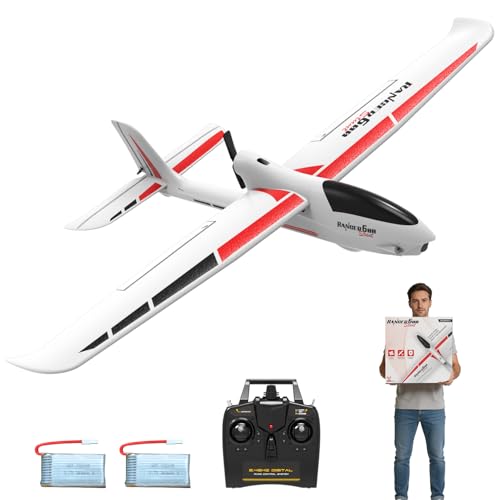
RC PLANE EASY TO CONTROL: Xpilot stabilizer makes the rc glider be able to fly stably even in breeze. Powerful upgrade motor system allows easy controlling to do aerobatic flying. It's a great remote control plane for adults.

RC Brushless Metal Motor Contra-Rotating Motor CRM2204 1400KV w/Two Motors,Need to Work with Two ESC
Contra-rotating Motor CRM2204 1400KV
Typical Uses and Aircraft Types Featuring Pusher Propellers
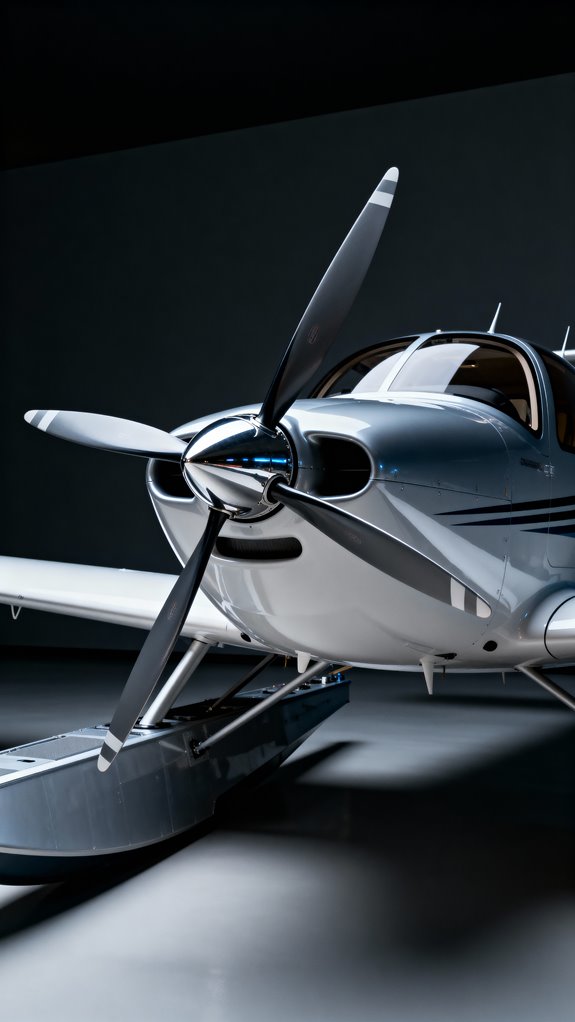
Pusher propellers, despite their noted drawbacks, find significant applications across various categories of aircraft due to their unique advantages in design and performance.
Recommended Products

Classroom Engineering Project – Rubber Band Propeller Car Kit: Students build rubber band propeller cars and test how energy converts to motion. Designed for classrooms, after-school programs, and STEM clubs.
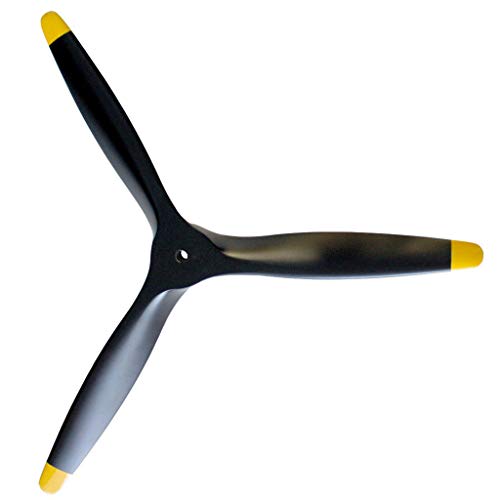
XOAR is one of the reputable propeller brand for RC Aircrafts and Multi-copters.
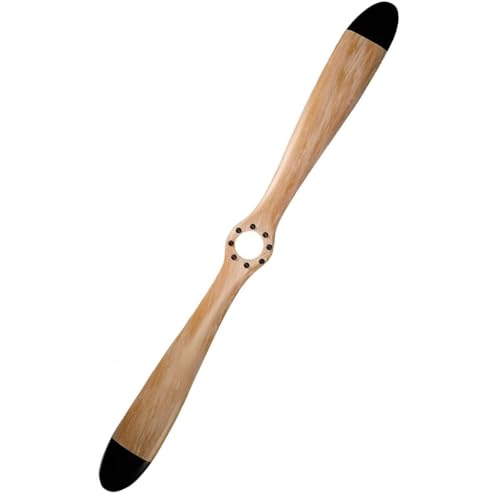
Handcrafted Design: This classic wooden propeller features a sleek, handcrafted design with aluminum edging for a touch of elegance.
Civilian Use
- Homebuilt and Experimental Aircraft: Models like Burt Rutan’s Long EZ and Velocity series showcase pusher propeller applications for superior visibility and performance.
- Light Sport Airplanes: Aircraft such as the Silera 500 leverage pusher designs for quieter cabins.
Military Applications
- Unmanned Aerial Vehicles (UAVs): Many military drones utilize pusher props to enhance stealth and sensor placement.
- Historical Pusher Designs: Early models, like the Wright Flyer, pioneered military aviation, emphasizing the versatility of pusher configurations. Furthermore, 100% pure peppermint oils are often used for their therapeutic benefits in various applications, which can complement the advanced technology found in modern aircraft designs.
Engine Cooling and Maintenance Considerations
Additionally, relocating engine radiators to less conventional locations, like tail surfaces, can improve cooling efficiency. These *maintenance practices* guarantee that engines remain within ideal temperature ranges, enhancing overall reliability and extending the longevity of critical components. By addressing cooling challenges dynamically, aircraft with pusher configurations can maintain efficiency while looking after their engines’ health. Incorporating advanced technology, such as auto shut-off features, can further enhance the reliability and safety of engine systems.
Impact on Weight Distribution and Balance
When considering the design of aircraft, the impact on weight distribution and balance due to rear-mounted pusher propellers plays an essential role in performance and safety.
- Center of Gravity (CG): Aft engine placement can shift the CG, demanding careful weight management.
- Balance Optimization: Designers often add ballast to the nose to counterbalance, ensuring stability throughout flight.
- Tail Surface Adjustments: With short moment arms, larger tail surfaces may be necessary for effective control.
- Ground Operations: Repositioned landing gear alters weight bearing, impacting ground handling dynamics.
These factors highlight the complexities of pusher aircraft design. By addressing weight distribution challenges, engineers can enhance overall performance, offering a safer and more controlled flying experience for all.
Comparative Analysis: Pusher vs. Tractor Configurations
In the dynamic world of aircraft design, understanding the differences between pusher and tractor configurations is essential for optimizing performance and safety.
Thrust Efficiency
– Pusher designs often fall short in thrust efficiency, with up to a 15% reduction compared to tractor propellers. The disturbed airflow around a pusher prop diminishes aerodynamic performance.
Noise and Vibration
– Pusher configurations tend to generate more noise and vibrations due to turbulent airflow, impacting passenger comfort.
Safety Aspects
– However, pusher designs enhance safety by situating the propeller behind passengers, reducing injury risks.
Wing Interaction
– Thrust distribution also varies; tractor props effectively enhance lift by directing airflow over wings, while pushers miss this critical feature, which can influence handling at low speeds.
These considerations highlight the pros and cons of each configuration.
Innovations and Advances in Pusher Propeller Technology
As aircraft designers look to improve performance and reduce environmental impact, innovations in pusher propeller technology are gaining significant attention.
Advanced Materials
The use of composite materials enhances the strength-to-weight ratio of pusher propeller blades, leading to greater efficiency and durability.
Blade Design
Swept blade designs minimize noise and tackle compressibility effects, contributing to better high-speed performance. Variable pitch mechanisms have also been refined, optimizing thrust during various flight phases.
Performance Optimization
Computational Fluid Dynamics (CFD) gives insights into flow fields, improving propeller designs while wind tunnel tests validate these findings by focusing on thrust efficiency and noise emission.
Electric Propulsion Integration
The incorporation of this technology allows pusher propellers to be positioned strategically, enhancing energy efficiency and performance across flight regimes.
Future Trends in Pusher Propeller Aircraft Design
Future trends in pusher propeller aircraft design are set to revolutionize the aviation industry, promising enhanced performance, efficiency, and environmental friendliness.
Aerodynamic Advancements
– Future propeller designs aim to improve aerodynamic efficiency by minimizing drag on wings and fuselages. Aft-mounted propellers enhance laminar airflow, increasing efficiency and enabling flight performance optimization.
Noise Reduction
– Innovations in active noise control and acoustic treatments reduce cabin noise, promoting pilot comfort. External profiles are adjusted to meet stringent regulations, ensuring quieter urban operations.
Systems Integration
– A flexible pusher layout enhances cooling, maintenance, and system efficiency, paving the way for hybrid-electric propulsion. Novel designs maximize aerodynamic integration, making lighter, efficient aircraft.
Together, these innovations point towards a new era in aviation, where performance meets comfort and environmental considerations.
Frequently Asked Questions
What Is the History of Pusher Propeller Aircraft?
Pusher propeller aircraft, revered for their early innovations and historical significance, showcased pioneer designs that enabled unique flight experiences. Despite design advantages, their aerodynamic challenges led to a decline, yet their legacy endures in aviation history.
How Do Pusher Propellers Affect Fuel Consumption?
Pusher propellers often reduce fuel efficiency due to turbulent airflow and aerodynamic challenges. However, when paired with advanced aerodynamic design, they can achieve significant fuel economy, benefiting overall aircraft performance and passenger experience.
Are Pusher Propellers Used in Commercial Aviation?
Pusher propellers are rarely used in commercial aviation due to their disadvantages, such as reduced efficiency and increased noise. However, their advantages, like enhanced cockpit visibility and improved safety, find niche applications in specialized aviation roles.
What Challenges Do Engineers Face With Pusher Propellers?
Engineers face a dazzling array of design constraints with pusher propellers, battling turbulent airflow that mocks aerodynamic efficiency. They juggle ground clearance woes and balancing acts, as planes whimsically flirt with the ground, enhancing their maintenance drama.
How Does Pusher Propeller Placement Impact Noise Levels?
Pusher propeller placement greatly influences engine noise levels, often increasing them due to disturbed inflow from airframe parts. This design choice impacts aerodynamic efficiency, requiring careful consideration to balance noise reduction and performance optimization.