As an Amazon Associate, we earn from qualifying purchases. Some links on this site are affiliate links at no extra cost to you. Our recommendations are based on thorough research and editorial judgment.


The Ultimate Guide To Launching RC Gliders

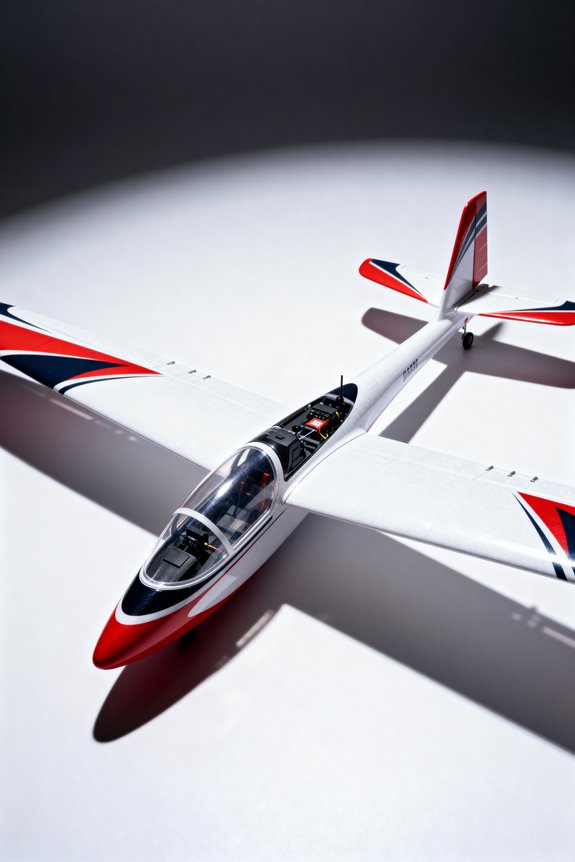
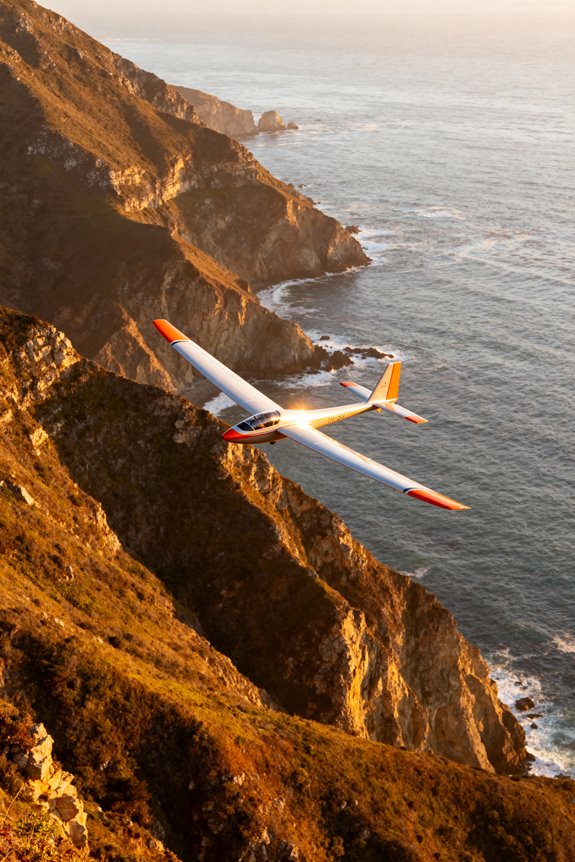
The ultimate guide to launching RC gliders covers essential methods and techniques. Key launch methods include winch launches, bungee launches, and self-launch systems. Techniques for successful hand launching emphasize grip style and body mechanics, while optimizing performance with winch launches requires careful angle management. Electric motor launch strategies focus on powerful vertical climbs with lightweight motors. Finally, tips for competing highlight rule awareness and organizational skills. For more insights, explore the nuances of each method and perfect your launch technique.
Key Takeaways
- Explore various launch methods such as winch, bungee, and self-launch to find the most suitable for your glider model and location.
- Master hand launch techniques by practicing grip, release angles, and body mechanics for improved consistency and performance.
- Optimize winch launches with smooth techniques, appropriate ascent angles, and clear communication with the winch operator to enhance flight duration.
- Utilize high-capacity batteries and efficient motor designs for powerful electric launches, while closely managing battery health during ascents.
- Familiarize yourself with competition rules and etiquette to enhance your experience and performance at RC glider events.
Understanding Different Launch Methods
You may be interested



When exploring the world of RC gliders, understanding the various launch methods serves as a crucial foundation for both beginners and seasoned enthusiasts. Different methods cater to various skill levels and objectives, enhancing launch efficiency and guaranteeing launching safety.
Winch Launch: Utilizes a powerful electric winch powered by a 12V battery, achieving heights of 350-500 meters in about one minute.
Bungee (High-Start) Launch: Involves stretching an elastic band to catapult the glider, best started gradually to maintain control.
Discus Launch Glider (DLG): Spins the glider overhead for impressive elevation, relying on skill rather than equipment.
Self-Launch: Incorporates a retractable motor, allowing solo use without additional gear. Each method offers unique advantages, fostering a sense of community among gliding enthusiasts. Additionally, understanding the importance of active ingredients in other applications can enhance your overall experience with RC hobbies.
Techniques for Successful Hand Launching

Successfully launching an RC glider by hand requires a blend of skill and technique, both of which can be honed through practice.
Recommended Products

-Efficient folding propeller, metal spinner and functional flaps

[Easy to Fly RC Plane] With Xpilot gyro stabilizer system, this stable, remote-controlled aircraft allows pilots to perform aerobatics and fly in light wind. An ideal RC airplane for grownups just starting out

【3 Flight Modes of 4CH RC Plane】RC airplane built-in Xpilot gyro stabilizer delivers stability, the 4-channel system enables precise control, paired with 3-level flight modes (Beginner to Expert) help you learn flight step by step, build confidence effortlessly!
Launch Angles
Aim for a release angle of about 75-80 degrees, ensuring the glider ascends without stalling.
Grip Techniques
Using a discus grip, where fingers wrap around the wingtip pin, allows for controlled release. A swift wrist flick maximizes distance while maintaining precision.
Body Mechanics
Synchronize your arm, legs, and torso motion. Beginners should focus on foot placement and moderate arm extension, while advanced launches utilize a forward sprint for increased power.
Consistency
Consistent grip and wrist snap minimize erratic flight paths, enhancing overall launch success, which is key for any aspiring RC enthusiast. Additionally, understanding the benefits of electric heating pads can help you appreciate the importance of relaxation techniques for improved focus during practice sessions.
Maximizing Performance With Winch Launching
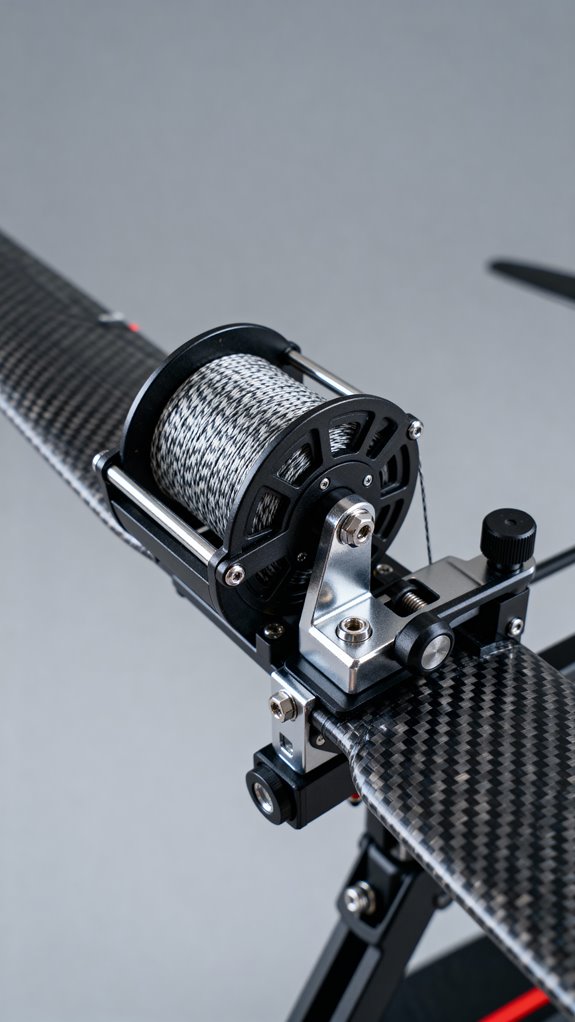
Maximizing performance with winch launching can dramatically enhance the overall flight experience of RC gliders. This method utilizes a powerful electric winch to pull the glider skyward, ensuring optimal launch trajectory. A shallow climb angle initially builds speed, shifting into a steep ascent of about 45 degrees once safe airspeed is achieved.
Key benefits include:
- Increased Altitude: Higher launches correlate directly to longer flight durations.
- Smooth Launch Technique: A well-timed pitch-up avoids early rotation, ensuring sufficient flying speed.
Safety precautions are essential. Immediate release is necessary if the glider’s wings lose level. Continuous communication between the pilot and winch operator is critical for coordinated adjustments. Additionally, incorporating adjustable intensity levels in your launch technique can help optimize performance and control during ascent. Can soar together with confidence and skill with these techniques!
Recommended Products

POUND CAPACITY: Fulton XLT Electric Boat Trailer Winch features a 7,000 lbs. capacity designed to meet your toughest boating and marine pulling demands.

Wireless remote trailer winch for loading your boat into a trailer
Cordless lifting and pulling tool for moving big game, loading ATVs, pulling fence, and moving heavy loads
Electric Motor Launch Strategies

Electric motor launch strategies greatly enhance the versatility and convenience of RC glider flying. Key approaches include:
- Direct Electric Motor Launch: Mounted motors provide powerful vertical climbs. Focus on lightweight brushless motors for efficiency.
- Self-Launch Setups: Retractable motors minimize drag during gliding. They are perfect for achieving longer flights.
- Electric Tow Launch: A tow plane elevates the glider to altitude, requiring coordination between pilots for a smooth release.
Motor selection plays a pivotal role in optimizing performance. Paired with high-capacity, high-discharge LiPo batteries, these motors guarantee sustained launch power. Effective battery management and monitoring prevent mid-ascent power loss, assuring reliable performance in every launch. Additionally, employing techniques that ensure deep tissue penetration can enhance the overall experience by allowing pilots to stay comfortable and relaxed during long flights. With these techniques, glider enthusiasts can truly enjoy independent and memorable flying experiences.
Recommended Products

HJ 450 Multicopter 450F nylon Fiber Frame Airframe kit Strong Smooth RC KK MK MWC DIY Quadcopter plane

Powerful Performence: Motor, ESC and Servo: Predator 3541-750KV motor, a high-quality 40A ESC and 17g servos.
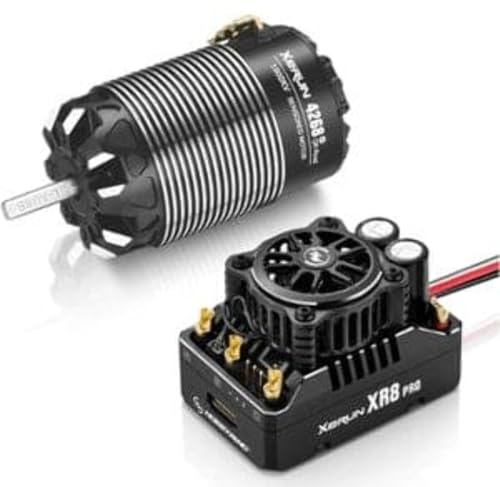
XR8 PRO G3 Combo | 2-45 Lipo | BEC 6V/7.4V Adjustable, Continuous Current: 6A(Switch-mode)
Tips for Competing in RC Glider Events

Competing in RC glider events presents a thrilling opportunity for enthusiasts to showcase their skills and precision flying. To enhance performance, competitors should prioritize pre-flight preparation, ensuring their models adhere to regulations regarding weight, energy sources, and frequencies.
Key Tips:
- Know the Rules: Familiarize yourself with penalties for unauthorized course re-entry and safety area encroachments.
- Practice Competition Etiquette: Respect fellow competitors by adhering to flight lines and listening to contest officials during launches.
- Environmental Awareness: Be mindful of the site conditions which can affect flight performance; use helpers for timely retrieval and weather updates.
- Stay Organized: Prepare your models, tools, and spare parts in advance to avoid last-minute hitches. Additionally, consider using customizable settings to fine-tune your glider’s performance for different flying conditions.
With focus and respect, competitors can truly shine in the soaring skies.
Frequently Asked Questions
What Should I Do if My Glider Doesn’T Respond During Launch?
If the glider doesn’t respond during launch, check wing calibration and verify the battery is fully charged. Proper setup fosters confidence, encouraging members of the community to share tips and improve their flying experiences together.
How Can I Determine the Best Launch Location?
To determine the best launch location, he must evaluate the launch site for steady winds, assess suitable terrain types for lift, and guarantee accessibility while avoiding obstacles. Thoughtful selection promotes a successful gliding experience and collective joy.
Is It Safe to Launch in Windy Conditions?
Launching in windy conditions can be safe with proper wind safety measures and effective launch techniques. Knowledge of conditions, model selection, and skill level greatly impact the overall flying experience and pilot confidence in challenging environments.
What Is the Ideal Weight for a Competitive RC Glider?
The ideal weight for a competitive RC glider defies gravity, typically around 150 grams for 1m models. Weight optimization within competitive specifications guarantees superior performance, essential for enthusiasts seeking camaraderie and success in the competitive flying community.
How Do I Repair a Damaged Glider After a Crash?
To repair a damaged glider after a crash, one must conduct a crash assessment, clean affected areas, choose appropriate materials for glider maintenance, and follow tailored repair techniques to restore its structure and functionality.