As an Amazon Associate, we earn from qualifying purchases. Some links on this site are affiliate links at no extra cost to you. Our recommendations are based on thorough research and editorial judgment.


Is Slope Soaring Dangerous?

Slope soaring can be dangerous, especially during essential phases like takeoff and landing. Around 21% of soaring accidents occur during takeoff, often due to canopy issues or pilot errors. Fatal accidents largely stem from poor decision-making and environmental factors, including turbulent winds and terrain. Safety measures, like proper pre-flight checks and communication, are vital. Understanding these risks can enhance flying experiences. Discovering more about safety recommendations can greatly improve pilot awareness and accident prevention strategies.
Key Takeaways
- Slope soaring can be dangerous due to unpredictable wind patterns caused by sharp terrain features, increasing the risk of stalls and spins.
- Approximately 17% of soaring fatalities result from collisions with obstacles, often occurring near slopes and ridges.
- Maintaining higher speeds during slope soaring is crucial for control, especially in turbulent conditions.
- Incomplete pre-flight checklists and poor decision-making significantly contribute to accidents in soaring activities.
- Regular training and awareness of environmental factors are essential to enhance safety during slope soaring.
Overview of Slope Soaring Accidents
You may be interested


Slope soaring, while a thrilling and engaging aerial activity, presents inherent risks that can lead to a variety of accidents. Understanding the types of accidents is critical for accident prevention and improving soaring techniques.
- Landing Accidents: Approximately 50% of accidents occur during landing, emphasizing the importance of careful descent and touchdown.
- Takeoff Issues: Representing 21% of soaring accidents, mishaps during this phase highlight the need for rigorous pre-flight checklists.
- Loss of Control: Stall and spin events, accounting for 26% of fatalities, underline the necessity for precise control maneuvering.
- Terrain Awareness: Collisions with hills or obstacles cause about 17% of fatal incidents, reinforcing the need for heightened situational awareness. Additionally, maintaining proper control maneuvering can significantly reduce the risk of accidents during flight.
Statistics on Takeoff Accidents

Accidents during takeoff represent a significant aspect of the broader context of slope soaring safety, contributing approximately 20-21% of all soaring incidents. While still important, this figure is less than the 50% attributed to landing-related accidents.
Key points include:
- Takeoff accidents often stem from canopy openings, spoiler malfunctions, and pilot errors linked to pre-takeoff checklist omissions.
- Despite improvements in accident statistics over the years, takeoff remains crucial due to its low altitude risks.
- Understanding the importance of pre-takeoff checklist omissions can significantly enhance safety measures and preparedness for pilots.
Understanding these accident statistics is essential for pilots aiming for safety. They show that while takeoff risks are manageable, they require attention and preparation. Being informed contributes to a stronger sense of community and safety within the soaring environment.
Recommended Products

Spiral bound! Lays flat for better studying and reading! Learn the ins and outs of aviation! Everything you could get all under one cover! Including all FAA errata sheets at...
Key Causes of Slope Soaring Incidents

Identifying the key causes of slope soaring incidents is essential for enhancing pilot safety and reducing risks in this exhilarating sport.
Poor Decision Making
– Roughly 40% of accidents stem from poor decision making. Pilots often take risky low maneuvers or attempt tricky shifts, eroding safety margins.
Situational Awareness
– Deficiencies in situational awareness play a significant role, contributing to 6% of incidents. Pilots may struggle to identify nearby obstacles or other gliders during slope soaring. Complacency in good weather can lead to overlooked hazards.
Planning Errors
– Pre-flight planning inadequacies, causing 12% of accidents, often leave pilots unprepared for unexpected terrain challenges. Additionally, safety mechanisms like auto shut-off features are crucial in minimizing risks during flight preparations.
Risks During Critical Flight Phases

During critical flight phases, the risks associated with slope soaring can heighten greatly.
Low-Level Shear
Sudden changes in wind speed can impact lift and airspeed. Without prompt corrective actions, gliders may descend unexpectedly, leading to hard landings or crashes.
Tailwind Challenges
Tailwinds above 10 knots can notably increase landing risk, often causing gliders to float during flare or overshoot. Managing these conditions is essential for safe landings.
Proximity Hazards
Flying near ridges poses a high risk, as stalls and spins become lethal threats. Quick recovery maneuvers are crucial due to sudden changes in uplift.
Airspeed Control
Maintaining correct airspeed is critical; even a 10% increase can dramatically extend landing distances, compounding risks during approach. Additionally, understanding adjustable heat settings in various conditions can help pilots better manage their aircraft performance during slope soaring.
The Impact of Pre-Flight Checks

Before starting on a slope soaring adventure, thorough pre-flight checks are paramount to confirming safety and performance. These pre-flight procedures include critical assembly checks to affirm airworthiness and prevent assembly errors.
Control Verification
Positive control verification is essential; it involves resisting surface movement while manipulating cockpit controls. This confirms that all controls function correctly before launch.
Standardized Checklists
Utilizing a checklist, such as the CBSIFTCB acronym, guarantees that pilots cover all essential components: controls, ballast, and safety equipment. Regular adherence to these processes minimizes human error and enhances safety. Additionally, implementing standardized checklists can significantly reduce the risk of oversight during pre-flight preparations.
Recommended Products
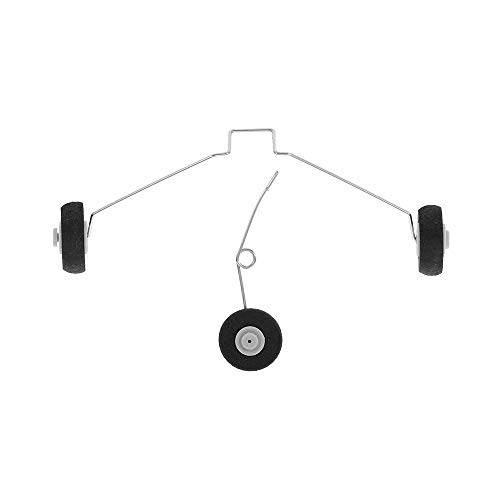
Specially designed for Z51 RC Airplane Foam Hand Throwing Glider Drone.

Material:Made of metal and plastic

[Easy to Fly RC Plane] With Xpilot gyro stabilizer system, this stable, remote-controlled aircraft allows pilots to perform aerobatics and fly in light wind. An ideal RC airplane for grownups just starting out
Psychological Factors in Decision Making
Psychological factors play a significant role in decision-making for pilots engaged in slope soaring. Stress can trigger the body’s fight-or-flight response, leading to tunnel vision, where pilots may fixate on minor issues instead of reviewing the overall flight situation.
- Psychological Resilience: Pilots with balanced traits demonstrate better coping strategies. They adapt to changing conditions, maintaining focus during high-pressure moments.
- Decision Making Under Pressure: High levels of stress can degrade judgment, causing impulsive choices instead of weighing alternatives.
- Coping Strategies: Training in stress regulation, such as breathing techniques, enhances decision-making skills. Additionally, understanding the benefits of foot massagers can aid in relaxation and recovery, helping pilots manage stress more effectively.
Common Pilot Errors
Common pilot errors can greatly impact safety in slope soaring, often leading to serious accidents. These errors can be categorized as follows:
- Pre-Flight Preparation Errors: Incomplete checklists and neglect of essential equipment inspections increase accident risks.
- Takeoff and Landing Phase Mistakes: The majority of soaring accidents occur in these critical phases, where poor decision-making under pressure often leads to mishaps.
- Basic Piloting Errors: Common control mismanagement, like overlooking airspeed and glide paths, contributes substantially to accidents.
- Situational Awareness Deficits: Missing essential environmental cues or other gliders can lead to dangerous encounters.
- Decision-Making and Risk Management Failures: Pilots sometimes push boundaries, compromising safety and disregarding emergency procedures.
Effective pilot training and adherence to safety protocols are important in minimizing these errors and enhancing overall flying safety.
Influence of Terrain and Environmental Conditions
The safety of slope soaring is intricately linked to terrain and environmental conditions, which can greatly influence flight dynamics.
Recommended Products

Compact Dimensions: Measures 3.5 x 8.5 x 1 inches, designed for convenient mounting and easy visibility in operator's view

Compact Size: Measures 3.5 x 8.5 x 1 inches in size and weighs 1.5 lbs
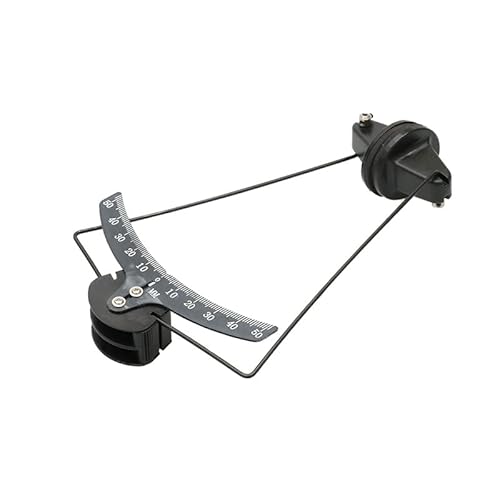
RC fixed wing plane model inclinometer part aileron angle meter accessories
Terrain Stability
– Slope Angle Impact: Steeper slopes heighten risks of terrain instability, as small alterations in moisture can lead to slope failures. Areas above certain elevation thresholds present a greater hazard for pilots.
Environmental Monitoring
– Soil Saturation Risks: Increased rainfall can saturate soil, decreasing shear strength and boosting the chance for sudden terrain shifts. Heavy rainfall events dramatically enhance this risk, illustrating the importance of real-time environmental monitoring.
Wind Conditions
– Predictable Turbulence: Sharp terrain features induce unpredictable wind patterns, requiring pilots to maintain higher speeds for control. Wide turns away from steep edges can help guarantee safety in turbulent conditions.
Understanding these factors greatly enhances safety for enthusiasts in the community.
Importance of Situational Awareness
Situational awareness is essential for slope soaring enthusiasts, greatly enhancing flight safety. This involves sharp perception strategies, where pilots must monitor visual and auditory cues to detect hazards, such as shifting winds or nearby turbulence. By recalling past experiences with local weather and terrain, pilots can anticipate potential risks, strengthening their comprehension of flight conditions and aircraft performance.
Additionally, cognitive techniques play an important role. These include using checklists and briefings to manage information overload, which helps maintain focus on key indicators. Continuous scanning allows for quick adjustments in response to changes in airflow. Ultimately, understanding these elements fosters a supportive flying community, where shared knowledge and awareness help everyone enjoy safe and exhilarating slope soaring experiences together.
Fatality Trends in Slope Soaring
Understanding fatality trends in slope soaring reveals essential insights into the safety landscape of this exhilarating activity. The soaring fatality rate, approximately 1 death per 50,000 flight hours, highlights the importance of fatality prevention. While this risk is lower than many high-risk pursuits, significant hazards exist.
Key trends include:
- Recent improvements in training have led to a 75% drop in fatal accidents.
- About 40-44% of fatalities stem from poor decision-making, particularly during low-altitude maneuvers.
- Terrain-related risks elevate fatalities, with weather and altitude factors exacerbating incidents.
Increased soaring awareness among pilots contributes to improved safety outcomes. Adopting better decision-making practices can enhance the community’s overall safety, fostering unity in this thrilling sport.
Safety Recommendations for Pilots
While enjoying the thrill of slope soaring, pilots must prioritize safety through a series of well-defined recommendations.
Maintain Safe Distances
Pilots should maintain at least 500 feet from people and property, approach slopes at a 45° angle, and avoid head-on encounters with other gliders.
Speed Management
Keeping a higher speed enhances control and avoids stalls. Use proper pitch attitude, especially during launches and landings.
Situational Awareness
Always stay vigilant and communicate intentions clearly, particularly when flying near other gliders to reduce confusion.
Emergency Preparedness
Identify safe landing areas, be ready to abort launches when necessary, and engage in regular pilot training for simulated emergency scenarios.
Recommended Products

Package included: 3 x Kayak Safety Flag

✔【DURABLE MATERIAL】Made of tear-resistant, water-resistant oxford fabric material that won't fray in the wind

Flysky FS-SR8C receiver utilizes the ANT protocol, supporting 8 PWM channel signal outputs for superior performance.
The Role of Equipment in Preventing Accidents
The role of equipment in preventing accidents during slope soaring is essential for ensuring both pilot safety and the longevity of model aircraft. Regular equipment maintenance is imperative. Pilots should conduct pre-flight checks, inspecting lines, linkages, and control surfaces. Batteries must be verified for sufficient charge to avert mid-flight failures.
Protective gear enhances safety, with helmets and impact-resistant eyewear critical in reducing injury risks.
Pilot training is equally important. Understanding flight control systems prevents loss of control.
Advanced telemetry can enhance monitor performance, facilitating safer flying practices.
Recommended Products

Perfect for all model aircraft with electric drive or combustion engines that require six channels or less

8-Channel 2.4GHz FHSS RC Transmitter & Receiver:This ARESWEI HT-8A 8CH RC radio system features FHSS 2.4GHz anti-jamming tech, offering stable signal, strong anti-interference, and a long control range for your RC models.

Excellent Anti-interference--DSSS&FHSS communication technology and 7dBi high gain antenna make AT10II transmitter with stable transmission signal and the control range is up to 2.5 miles(4km) in the air.
Addressing Human Factors in Flight Safety
Human factors play a significant role in flight safety during slope soaring, influencing both pilot decisions and overall situational awareness.
Decision-Making and Judgment
- Erroneous decisions contribute to 40% of soaring accidents, often due to poor judgment under pressure.
- The cruise phase poses a higher fatality risk, underscoring the need for sound decision-making.
Situational Awareness
- Inadequate situational awareness causes 6% of accidents, highlighting the necessity of vigilance.
- Constantly monitoring surroundings, including wind and terrain, is critical to avoid hazards.
Pre-Flight and In-Flight Readiness
- Pre-flight negligence, like incomplete checklists, is accountable for 12% of accidents.
- Pilots must manage stress and complacency to maintain focus and enhance flight safety.
Addressing these human factors is essential for safer slope soaring experiences.
Frequently Asked Questions
What Measures Can Pilots Take to Improve Their Situational Awareness?
Pilots can enhance situational awareness by rigorously completing pre-flight checks and consistently practicing hazard recognition. This proactive approach fosters a collaborative environment, ensuring safety while promoting camaraderie among fellow aviators sharing similar experiences and challenges.
Are There Specific Training Programs for Stall Recovery in Slope Soaring?
Specific training programs for stall recovery in slope soaring exist, often integrating practical exercises with theoretical knowledge. For example, a pilot might enhance decision-making skills through simulated scenarios, ultimately reinforcing community safety and confidence among enthusiasts.
How Does Weather Influence Slope Soaring Safety?
Weather considerably influences slope soaring safety through thermals assessment and wind patterns. Stable winds enhance lift and control, while turbulent conditions or unexpected thermal activity pose risks, necessitating pilots to adjust their flying approach for heightened safety.
What Are the Effects of Fatigue on Slope Soaring Performance?
Fatigue acts like a dark cloud over slope soaring performance, casting shadows of decline. Its effects lead to decreased flexibility and motor control, resulting in performance decline and increased risk of errors during critical maneuvers.
Is There a Difference Between Slope Soaring and Other Forms of Gliding?
Slope soaring differs from other gliding forms through its reliance on power dynamics and orographic lift generation, allowing pilots to engage more directly with turbulent winds while promoting community and connection among soaring enthusiasts.