As an Amazon Associate, we earn from qualifying purchases. Some links on this site are affiliate links at no extra cost to you. Our recommendations are based on thorough research and editorial judgment.


Tips For Long-Duration Glider Flights

For long-duration glider flights, pilots must master essential techniques.
Best Glide Speed
– Achieving maximum lift-to-drag enhances distance.
Thermals and Soaring
– Utilize rising air and understand wind patterns for efficient climbs.
Flight Management
– Maintain a steady pitch attitude and utilize dive brakes for control.
Safety Measures
– Complete preflight checks and assess meteorological conditions for a safe route.
You may be interested

Are Gliders More Fragile Than Other RC Planes?
November 24, 2025

How To Ballast Your Glider For Windy Conditions
November 24, 2025

How To Fly In A Thermal
November 24, 2025
These strategies form the foundation of effective gliding, ensuring pilots can maximize their time aloft and explore further horizons. More insights await for those looking to elevate their skills.
Key Takeaways
- Maintain optimal best glide speed to maximize distance and efficiency during long flights.
- Utilize thermals effectively by observing nature for rising air and flying coordinated turns.
- Implement ridge soaring techniques to extend flight duration by leveraging dynamic lift along terrain.
- Manage flight attitude and speed consistently to ensure control and prevent stalls over extended periods.
- Conduct thorough preflight inspections and understand weather conditions for safe and efficient long-duration flights.
Understanding Best Glide Speed
Understanding Best Glide Speed is essential for pilots maneuvering the nuances of glide performance. This critical airspeed achieves the maximum lift-to-drag ratio, enabling the aircraft to cover the greatest distance for altitude lost. Typically, best glide speed is outlined in the aircraft’s flight manual, serving as crucial knowledge during engine failures.
Key factors influencing best glide include:
- Aircraft Weight: Heavier aircraft require higher glide speeds while maintaining a consistent glide ratio.
- Wind Conditions: Headwinds necessitate speed adjustments to optimize glide distance, while tailwinds can extend range.
- Aircraft Configuration: Clean configurations (flaps up) usually enhance glide performance. Additionally, pilots should be aware of safety features that can enhance overall flying experience during glider flights.
Recommended Products

FAA-Approved for Written Exams: Take the CX-3 directly into FAA knowledge tests—no memorization required. Designed to simplify complex calculations so you can focus on understanding, not guessing.

PATNETED IN USA-Made from waterproof plastic material, Built-in scale, more lighter, smaller, less prone to break easy rotating parts.
Dimensions: 6" diameter
Utilizing Thermals Effectively

Utilizing thermals effectively is an essential skill for glider pilots aiming to gain altitude and enhance flight duration. To maximize glide efficiency, pilots should observe thermal indicators such as rising air and lift markers like birds and clouds.
Thermal Entry and Centering
- Enter thermals smoothly; a gentle bank with progressive brake application establishes a coordinated turn.
- Monitor subtle aircraft changes to stay centered in the thermal.
Maintaining Bank Angle and Airspeed
- A moderate bank angle of 20°-40° balances turning radius and sink rate.
- Adjust airspeed according to the bank angle to optimize climb.
Core Seeking Techniques
- Use a mental map to adjust circling position for maximum lift.
- Keep coordinated using the yaw string to guarantee steady climbs.
These practices enhance flight safety and efficiency among fellow pilots, much like the benefits of shiatsu foot massagers can promote relaxation and stress relief after long days.
Recommended Products

Meets ASME and ANSI standards
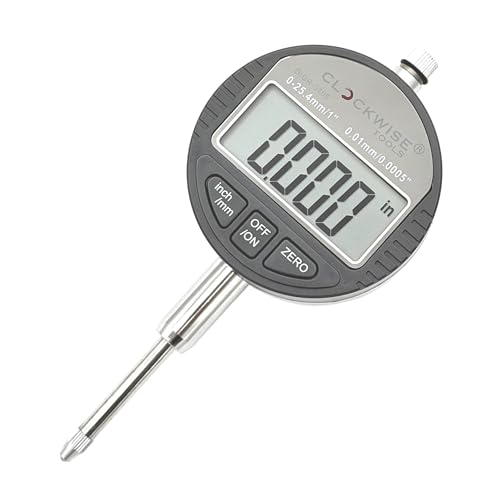
Dual Unit Conversion for Versatile Use – This digital indicator supports both inch and metric readings, allowing for flexible and precise measurements across various applications, including machining, metalworking, and quality control.

22PCS SETS IN PLASTIC BOXES
Ridge and Slope Soaring Techniques

Ridge and slope soaring techniques offer glider pilots an exhilarating way to maximize lift and extend flight durations. Understanding the optimum lift zone (OLZ) is essential; it typically lies a few hundred feet below the ridge and leans upwind as altitude increases.
Key points include:
- Approach: Enter ridge lift at a 45° angle on the upwind side for effective ridge flying.
- Speed Management: Maintain a speed above minimum sink to guarantee control.
- Wind Correction: Utilize a wind correction angle to counteract crosswinds.
- Safe Turns: Always turn away from the ridge to avoid terrain.
Being aware of dynamic lift can help pilots adapt their flight paths, particularly in adjusting for wind speed and direction changes while soaring. Additionally, understanding optimum lift zone characteristics can enhance a pilot’s ability to navigate different soaring conditions effectively.
Managing Flight Attitude and Speed

Effective management of flight attitude and speed is essential for glider pilots who aim to achieve a smooth, controlled flying experience.
Pitch Control
Maintaining constant pitch attitude is key for speed management. Lowering the nose increases speed, while raising it decreases speed. Use visual reference points to stabilize pitch and relieve stick pressure with trim for steady flight.
Bank Angle Management
Keeping wings level guarantees consistent flight path and airspeed. Use shallow bank angles during turns to prevent stalls, adjusting based on lift strength.
Descent Control
Control descent primarily with dive brakes. Open them partially to initiate descent while maintaining pitch to hold desired airspeed. Trim at different speeds supports a controlled descent rate.
Attitude Adjustments
Proper flight attitude guarantees aerodynamic efficiency, preventing unsafe speed extremes, and enhances the overall flying experience. Additionally, implementing safety features like automatic shut-off timers in back massagers can provide peace of mind, similar to how safety measures in gliders ensure a secure flying experience.
Flight Planning and Safety Measures

Flight planning and safety measures play a significant role in guaranteeing glider pilots enjoy a safe and efficient flying experience. A thorough preflight inspection is essential; pilots should follow a checklist from the Glider Flight Manual to confirm airworthiness. This includes checking tow hooks and verifying that control systems function correctly.
Tow safety is equally important; glider pilots must verify the towline’s strength and confirm reliable release mechanisms. Additionally, understanding meteorological conditions allows for better route planning and emergency preparedness. Regularly evaluating terrain, wind patterns, and local airspace enhances safety during flight operations. Incorporating these essential elements helps foster a supportive flying environment, ultimately promoting enjoyable and secure adventures in the sky. Utilizing light therapy options can also aid in maintaining pilots’ skin health during long durations in the air.
Recommended Products

Spiral bound! Lays flat for better studying and reading! Learn the ins and outs of aviation! Everything you could get all under one cover! Including all FAA errata sheets at...
Endurance Strategies for Cross-Country Flights
Endurance in cross-country gliding demands a combination of skill, knowledge, and mental fortitude. Pilots must prioritize hydration management, regularly sipping water to stay alert and focused.
Mental Focus:
– Utilize relaxation techniques to reduce stress during flights. Breathing exercises can minimize fatigue and keep concentration sharp.
Flight Techniques:
– Center in thermals efficiently by flying in tight circles and maintaining steady bank angles. This prevents unnecessary altitude loss.
Energy Management:
– Monitor altitude closely, always aiming to start climbs timely. Staying high supports dynamic route choices.
Practice:
– Build endurance gradually with longer flights, enhancing physical stamina over time. Balanced comfort and control help sustain focus, making each flight enjoyable and productive. Additionally, employing advanced technology in your flight instruments can improve situational awareness and decision-making.
Competition Tactics for Experienced Pilots
Competition in glider flying requires both strategic planning and quick decision-making. Experienced pilots utilize tactical positioning to gain advantages early.
Recommended Products

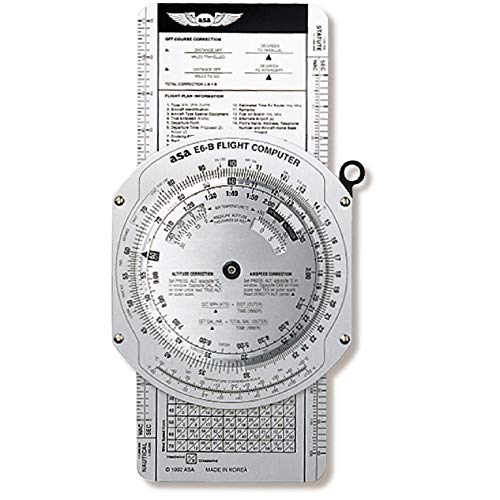
Photo-Based, Step-By-Step E6B Guide Included – This mechanical E6B flight computer for pilots comes with a photo-based guidebook using real examples to clearly explain wind correction, groundspeed, fuel burn, and time calculations, making flight training easier and faster to understand.

E6B FLIGHT COMPUTER - Essential aviation tool for accurate flight calculations. FAA trusted for exams, real-world flying, and student pilot essentials.

Electronic Flight Computer: This flight computer is an electronic device that provides pilots with important flight information.
Tactical Start Positioning
- Aim for the edge of the start cylinder, upwind of the first turnpoint, to maximize lift.
- Launch immediately when the window opens, allowing time to reach this ideal spot.
Thermal Flying
- Center in the strongest lift cores for maximum energy gain.
- Smooth control inputs conserve speed and reduce drag while steering.
Speed Management
- Choose the appropriate speed based on lift strength to glide efficiently.
- Avoid unnecessary circling; prioritize big glides using energy lines.
Situational Awareness
- Constantly reassess thermal quality and line choices, improving your overall tactics.
- Independent reasoning enhances performance, fostering a strong sense of belonging within the community.
Frequently Asked Questions
What Are the Best Glider Models for Long-Duration Flights?
The best glider models for long-duration flights include the Jantar, Ventus, and LS series, highlighting competitive glider designs and superior ergonomics considerations to guarantee comfort and performance for pilots seeking extended soaring experiences together with others.
How Do Weather Changes Impact Glider Performance?
Weather changes greatly impact glider performance, as varying thermal conditions influence lift availability, while shifting wind patterns can either enhance or hinder altitude gain. Pilots must adapt to these dynamics for successful flights and safety.
What Clothing Is Best for Extended Glider Flights?
For extended glider flights, ideal clothing includes breathable fabrics facilitating temperature regulation. Loose-fitting garments and layered outfits enhance comfort, while moisture-wicking materials and versatile accessories promote belonging and ease during shared flying experiences among pilots.
How Can I Improve My Gliding Skills as a Beginner?
To improve gliding skills as a beginner, focusing on consistent training techniques and mastering flight maneuvers fosters confidence and competence. Engaging with a supportive community enhances learning, making progress enjoyable and ensuring a sense of belonging.
What Safety Equipment Should Always Be in a Glider?
In the skies, crucial safety gear includes emergency procedures, important parachutes, and extensive land-out kits. These tools are integral, fostering a sense of security and unity among pilots, ensuring safe adventures and shared experiences in soaring flight.