As an Amazon Associate, we earn from qualifying purchases. Some links on this site are affiliate links at no extra cost to you. Our recommendations are based on thorough research and editorial judgment.

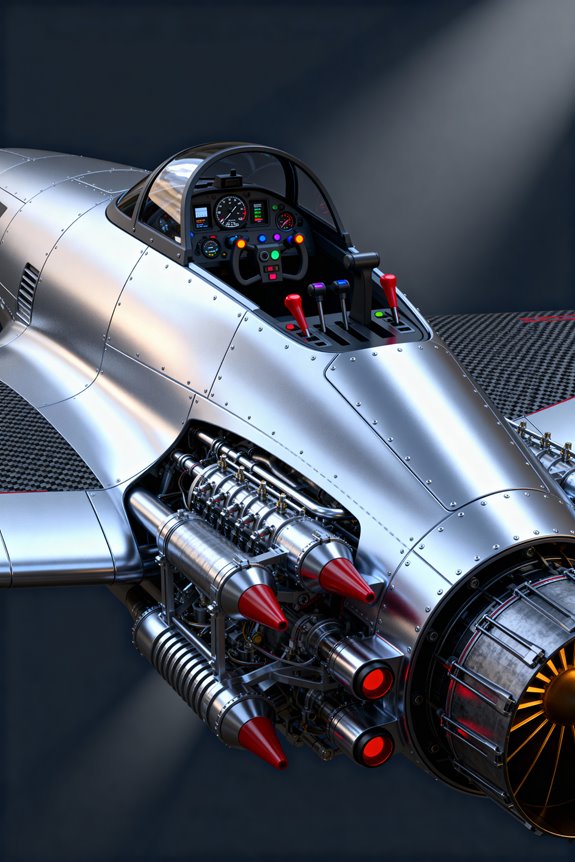
RC Jet FAQs: How Much Does An Entry-Level Turbine Jet Cost?

Entry-level turbine RC jets primarily range from $1,500 to $3,000. Models with advanced features can exceed these prices, especially those equipped with turbine engines, costing between $2,000 and $5,000. Airframe materials also impact pricing; foam jets may start at $100, while balsa wood or composite models begin around $1,500. Beginners can opt for almost-ready-to-fly (ARF) or plug-and-play (PNP) setups for easier assembly. For those interested in exploring the hobby further, additional details await.
Key Takeaways
- Entry-level turbine RC jets generally range from $1,500 to $3,000, depending on features and performance.
- Almost-ready-to-fly (ARF) models start at around $1,700, while ready-to-fly packages typically exceed $2,000.
- Turbine engines alone cost between $2,000 and $5,000, significantly affecting overall jet pricing.
- Basic transmitters add an additional cost ranging from $60 to over $1,000 based on functionality.
- Maintenance costs, including fuel and engine overhauls, should also be factored into the overall budget.
Understanding Entry-Level Turbine RC Jet Pricing
You may be interested


Understanding Entry-Level Turbine RC Jet Pricing can seem overwhelming, especially for newcomers enthusiastic to enter this exciting hobby. Entry-level turbine RC jets typically range from $1,500 to $3,000, with complete models often exceeding this price due to their advanced features and turbine performance. Here are some key insights:
- Turbine Engines: The engine alone can cost between $2,000 and $5,000.
- ARF Models: Some almost-ready-to-fly models, like military scale jets, start around $1,700.
- Ready-to-Fly Packages: These are generally above $2,000, including necessary electronics.
For beginner experiences, understanding these costs is essential. This knowledge helps newcomers select options that fit their budget while ensuring they embrace the thrill and performance that turbine jets offer. Additionally, considering battery type is crucial for optimal operation of the turbine jets.
Factors Influencing Cost

The cost of entry-level turbine RC jets is shaped by several critical factors that determine the overall investment. Key considerations include:
- Engine and Power Systems: Turbine engines range from $2,000 to over $5,000, impacting jet performance considerably. Alternatives like gasoline engines start around $500.
- Airframe Materials: Foam jets for beginners are affordable, costing $100 to $300, while balsa wood and composite kits begin at about $1,500.
- Electronics and Control Systems: Basic transmitters can cost between $60 and $200, but advanced options exceed $1,000.
- Fuel and Maintenance: Specialized turbine fuel and maintenance add ongoing costs, making cost comparison crucial for budgeting. To enhance the experience, consider investing in user-friendly controls that can improve your overall operation efficiency.
Investing wisely in these areas guarantees a fulfilling entry into the thrilling world of turbine RC jets.
Basic Models and Pricing

When considering entry-level turbine RC jets, aspiring hobbyists encounter a variety of models at differing price points and specifications, ensuring there’s an option for everyone.
Popular Turbine Jet Options
Models like the Freewing L-39 Albatros 80mm EDF and 6S Hawk T1 70mm EDF cater to beginners with prices around $300-$400. These jets usually feature brushless motors, retractable landing gear, and excellent flight stability.
Jet Model Comparisons
Standard entry turbine jets start at approximately $1,500, with beginner-friendly ARF and PNP configurations available, allowing for easy customization or quick setup. Many basic models require additional components like transmitters and batteries, meaning hobbyists can tailor their setups while keeping costs manageable. Advanced features such as LED lighting enhance the flying experience, making these jets a fantastic choice for newcomers.
Recommended Products

✈️Suitable for beginners: The "64mm Futura" is a remote controll jet airplane designed specifically for beginners, boasting excellent flight performance. Equipped with basic systems, it is an adult remote controlled airplane tailored for entry-level jet pilots.

SUITABLE FOR BEGINNERS AND EXPERTS: equipped with Xpilot gyro stabilizer system, with 3 level flight control assist (Beginner level with full assist/ Intermediate with partial assist/ Expert for manual control) , this rc planes is ideal for pilots of all levels. Beginners can gradually gain confidence, while experts can show off their skills right out of the gate
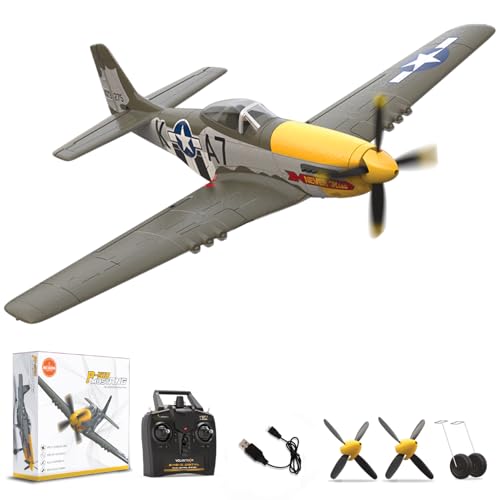
Perfect for All Skill Levels: Featuring the advanced Xpilot gyro stabilizer system and three levels of flight control assistance, this RC plane caters to both beginners and experts. Whether you're just starting out (with full assist for an easy, stable flight), progressing to intermediate skills (with partial assist for more control), or a seasoned pro (with full manual control for ultimate freedom), this plane ensures an exciting experience at every stage. Perfect for building confidence, mastering new skills, or showcasing your expertise from the start!
Price Range of EDF Jets

For those exploring the world of Electric Ducted Fan (EDF) jets, price points vary considerably based on size, power, and features. Entry-level models typically range from $140 to $650. Smaller 50mm EDF jets, like the Arrows Viper, cater to beginners with prices around $140-$170, while medium 64mm to 70mm jets often sell for $250-$650, enticing users with improved performance ratings. When comparing models and jet brands, it’s crucial to evaluate user reviews and features like brushless motors or stabilization systems, which can raise costs. Higher-end beginner EDF jets, featuring advanced electronics and better components, hover around $350-$615, providing a more thrilling flight experience for aspiring pilots. Additionally, considering the safety features of each model can help ensure a safe flying experience.
Recommended Products

【What is this】 This is a jet engine for an aircraft model. It provides power for your model so that your model can fly. Of course, you can also use it for other purposes, such as automatic robots, laboratory research aerodynamics, large flow inhalation or exhaust.

【What is this】 This is a jet engine for an aircraft model. It provides power for your model so that your model can fly. Of course, you can also use it for other purposes, such as automatic robots, laboratory research aerodynamics, large flow inhalation or exhaust.

DIY EDF RC Aircraft Kit: Hands-on DIY RC plane kit with flat board parts for cutting and assembly, ideal for hobbyists seeking a custom fixed wing aircraft build
Features of Entry-Level Turbine RC Jets
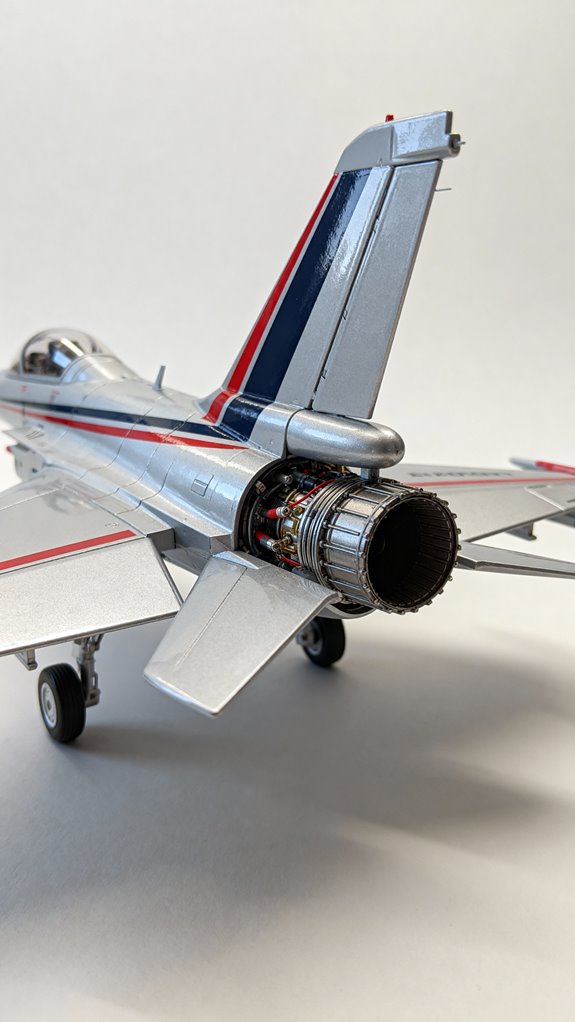
Entry-level turbine RC jets offer an impressive blend of performance and accessibility, making them an exciting option for both newcomers and experienced enthusiasts.
Materials and Construction
These jets utilize lightweight composites like fiberglass and carbon fiber, optimizing strength while maintaining a low weight for agility. Pre-fabricated components ease assembly and enhance precision.
Power and Thrust
With thrust ranging from 50 to 100 Newtons, these turbines deliver commendable power, enabling speeds over 100 mph.
Flight Systems
Equipped with advanced electronics, including multi-channel radio systems and electronic control units, these jets provide reliability and control during flight. Additionally, the design often incorporates safety features such as intelligent control systems to enhance user experience and prevent accidents.
Recommended Products

Original Design: This Jet engine model is meticulously crafted based on the original blueprints of the Trent 900 engine. Every detail is captured with precision, bringing an authentic and functional replica to your fingertips

This model has adjustable pusher speed, magnetic base design, infinitely variable adjustable pusher, Tpye-C charging port, middle and tail LED light design, and full sense of technology.

Pushrod adjustable speed base, white fairing, light effects on nozzle, Tpye-C charging port.
Cost Breakdown of Turbine Engines
The cost of turbine engines for RC jets can considerably influence both initial purchases and long-term ownership experiences. A turbine pricing analysis reveals that entry-level turbines generally range from $1,500 to $4,100. Lower thrust models (around 45 Newtons) start near $1,500, while popular mid-range options like the JetCat P220-RXi can exceed $4,000. Additionally, brushless turbines introduce another pricing category, sitting between $2,000 and $3,000.
Operating costs also factor into ownership; fuel types—like Jet-A and biodiesel—vary in expenses. Maintenance is crucial, with services occurring every 25 hours at around $300 each. Keep in mind that additional setup costs can rival the engine price itself, making a thorough budget essential for enthusiasts maneuvering their options.
Airframe Material Impact on Price
Airframe material choices play a critical role in determining the overall price of turbine jets, greatly affecting both initial acquisition costs and long-term performance.
- Metal Alloys dominate the market due to cost-effectiveness but demand extensive machining, considerably impacting purchase prices.
- High-strength Titanium and advanced composites boost performance and weight efficiency, yet come with high upfront costs.
- Traditional Aluminum Alloys remain popular in entry-level models, offering a balance between cost and efficiency.
In cost analysis, the manufacturing complexity and labor involved often exceed raw material costs. Advanced production technologies help reduce fabrication expenses, making high-performance airframes more accessible. Ultimately, the choice of airframe materials shapes both the immediate price and the future operational costs of turbine jets, creating a dynamic market landscape. Additionally, large heating pads have been shown to be effective in providing relief for muscle tension, which may influence the choice of materials in jet design for comfort during operation.
Electronics and Additional Gear Costs
Electronics and additional gear greatly contribute to the overall cost of RC turbine jets, necessitating careful consideration during setup.
Recommended Products

A scale jet model with incredibly smooth sport airplane handling and amazing aerobatic capability

Exceptional Detailing: Enjoy an outstanding level of dynamic and static details, ensuring a realistic and eye-catching appearance that stands out from the crowd.

【High Power ESC】Supports 6-12S LiPo batteries,Adjustable BEC output (6V/7.4V/8.4V),current up to 25A.The ESC supports 400A continuous current and a maximum instantaneous current of 800A,Turbo timing adjustable is available from 0°to 26°
Key Components and Costs
- Electronic Speed Controllers (ESCs): Ranging from $100 to $400, these are essential for managing thrust and control responses.
- Flight Controllers and Gyros: Costs between $150 and $400, enhancing stability and precision during flight.
- High-Quality Servos: Expect $30 to $100 each, important for control surfaces, while electric retract systems range from $200 to $500.
- Radio Systems: Starting at $150, advanced systems can surpass $500, especially with telemetry features.
Budget Considerations
Balancing performance and affordability is fundamental. Quality components are significant for safe electronics integration, ensuring reliable operation and peak performance of the turbine jet.
Assembly Options and Their Costs
Choosing the right assembly option for an RC turbine jet can markedly impact both the overall experience and costs.
Assembly Options Overview
- ARF (Almost Ready to Fly): Requires full assembly, taking several hours or days, depending on kit complexity. Additional components must be purchased, leading to higher assembly costs overall.
- PNP (Plug and Play): Most components are pre-installed, needing around 20-35 minutes for setup. A higher upfront cost is balanced by reduced installation time.
- BNF (Bind and Fly): Includes all components pre-installed, but at a premium price; perfect for those seeking a quick setup.
Assembly Tools and Costs
Invest in basic assembly tools and budget for consumables like adhesives and wiring. Professional assembly services may add $200 to $1000, influenced by complexity.
Maintenance Costs for Turbine RC Jets
The experience of owning and flying a turbine RC jet goes beyond assembly; it also involves understanding the financial implications of maintenance. Regular maintenance frequency is critical to guarantee component longevity and avoid unexpected repairs.
- Overhaul Importance: Scheduled engine overhauls are necessary approximately every 25 flight hours, costing around $250 plus shipping.
- Part Replacement: Components like blades and filters need timely replacement to prevent serious engine damage, contributing to repair budgeting.
- Fuel Efficiency: Managing fuel expenses and using quality jet fuel can improve overall operation costs.
- Diagnostic Challenges: Early detection of issues during routine checks can mitigate high repair costs.
Adopting longevity strategies and utilizing service availability effectively can keep maintenance manageable and your jet flying smoothly.
Comparison With Electric Ducted Fan Jets
When comparing turbine RC jets to electric ducted fan (EDF) jets, several factors emerge that highlight their distinct characteristics.
Cost and Setup
- Turbine Jet Benefits: Typically more powerful with higher speeds, offering a thrilling flying experience, but initial costs range from $2,000 to $5,000+, excluding airframe.
- EDF Jet Limitations: More affordable, from about $230 to $600+, and simpler to set up as they often come Ready-to-Fly (RTF).
Performance
- Turbine jets can execute longer flights with incredible realism, but require skilled handling.
- EDF jets emphasize ease of use for intermediate pilots, delivering quieter flights but limited to 3-5 minutes of runtime.
Maintenance
– Turbine jets need intensive maintenance and pricey fuel, while EDFs are low-maintenance with minimal emissions, making them user-friendly.
Recommended Products

The easiest to fly and best handling high-performance airliner EDF (Electric Ducted Fan) jet model yet
The easiest to fly and best handling high-performance airliner EDF (Electric Ducted Fan) jet model yet
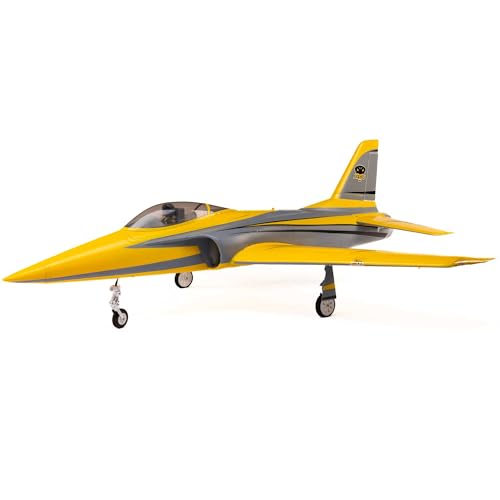
A more powerful and capable “full-house” version of the popular Habu SS (Super Sport) 50mm and 70mm models that offers “eXtra” speed and aerobatic capability
Comparison With Piston or Glow Engine Jets
While both turbine and piston or glow engine jets present unique advantages, the differences between them are pronounced and cater to different types of pilots.
Cost Considerations:
- Entry-level turbine jets range from $2,000 to over $5,000.
- In contrast, piston or glow engines often cost several hundred dollars.
Performance:
- Turbine engines boast higher static thrust and greater speeds, enhancing turbine efficiency.
- Piston/glow engines are ideal for slower, scale flying with simpler handling.
Maintenance:
- Turbine jets require specialized parts and kerosene-based fuel, increasing running costs.
- Piston engines offer lower maintenance and cheaper fuel options.
Ultimately, for those prioritizing jet safety and advanced performance, turbine jets can be a rewarding investment.
Market Trends in Turbine RC Jets
As the hobby of remote-controlled (RC) aviation continues to evolve, market trends in turbine RC jets illustrate a significant shift toward innovation and consumer demand.
Growing Market
- The global aircraft micro turbine market is expected to surge from $29.1 million in 2021 to $58.7 million by 2028.
- The remote control airplane market is projected to grow from $1.5 billion in 2026 to $2.8 billion by 2033.
Turbine Technology Advancements
- Turbojet engines dominate, providing high-speed performance and efficiency.
- Innovations in hybrid and electric turbine technologies are slowly gaining traction.
Customer Base Dynamics
- A younger demographic, mainly under 45, is driving interest in turbine RC jets.
- The rise in business aviation influences supply chains and enhances demand, shaping a vibrant market landscape.
Tips for Beginners Entering the Turbine RC Jet Hobby
Entering the thrilling world of turbine RC jets can be both exciting and intimidating for beginners, especially without the right guidance.
Turbine Engine Basics
Understanding turbine components like fuel systems is essential. Guarantee proper fuel flow to avoid mishaps.
Safety Precautions
Always follow safety protocols. Perform flight control checks before takeoff to prevent errors.
Starting Procedures
Learn throttle management; start with gradual throttle application for engine adaptation.
Maintenance Tips
Regularly inspect fuel filters and pneumatic systems to guarantee reliability.
Recommended Accessories
Consider essential gear like ground support units and quality batteries.
Community Support
Connect with knowledgeable enthusiasts for tips and shared experiences, helping you avoid common beginner mistakes. Their support is invaluable on this exciting journey!
Frequently Asked Questions
What Are the Best Entry-Level Turbine RC Jet Models?
In turbine jet comparisons, the best beginner models include ShockJet and DV8R for wood frames, along with composite options like Viper Jet and TopRC Models Odyssey, balancing performance, accessibility, and an engaging entry experience in the hobby.
How Much Do Replacement Parts Typically Cost?
In the world of turbine jet maintenance, replacement part pricing ranges widely, with servos averaging $20 to $100, while critical components may soar into the hundreds, reflecting both the passion and commitment of dedicated enthusiasts.
Can I Convert an EDF Jet to a Turbine Jet?
Yes, the conversion process from EDF to turbine jet is feasible. However, it involves significant complexity and cost, with turbine jets offering superior power and performance compared to EDF, appealing to advanced enthusiasts.
What Type of Fuel Is Used for Turbine Jets?
Turbine jets primarily utilize jet fuel types such as Jet A-1 and Jet A, which enhance turbine efficiency. Specialized fuels like Jet B and TS-1 cater to specific needs, ensuring peak performance across diverse operational conditions.
Are There Beginner-Friendly Clubs for Turbine RC Pilots?
Yes, numerous clubs exist for turbine RC pilots, emphasizing turbine pilot training and supportive environments. Membership requirements often include registration with organizations like AMA, ensuring beginners find belonging and camaraderie among fellow enthusiasts.


