As an Amazon Associate, we earn from qualifying purchases. Some links on this site are affiliate links at no extra cost to you. Our recommendations are based on thorough research and editorial judgment.


Is It Expensive To Maintain An RC Plane?

Maintaining an RC plane can be reasonably manageable, but costs vary. Initial acquisition ranges from $100 to $400, while ongoing maintenance includes battery replacements and regular inspections. Expect to spend $50 to $100 annually on supplies like adhesives and lubricants. Propellers may need replacing after 10-15 flights, leading to additional costs. Factors such as model type and usage affect overall expenses, paving the way for informed financial decisions. Discover more insights on managing these costs effectively.
Key Takeaways
- Ongoing maintenance for RC planes includes regular inspections and potential repairs, contributing to overall costs.
- Lithium polymer batteries typically require replacement every 1 to 3 years, adding to maintenance expenses.
- Propellers often need replacing after 10-15 flights, with costs ranging from $8-$15 each.
- Maintenance supplies like adhesives and lubricants can add $50-$100 annually to your expenses.
- Membership fees for local clubs and insurance can total $135-$285 yearly, further increasing costs.
Initial Acquisition Costs of RC Planes
You may be interested


When entering the world of remote-controlled (RC) planes, understanding the initial acquisition costs is vital for aspiring pilots. Beginners often start with budget options, such as electric foam trainers priced between $100 to $300. These starter models are user-friendly and often come as Ready-to-Fly (RTF) packages, simplifying setup.
For those interested in building their own plane, more complex kits can add around $100 for tools and materials, while basic budget builds may be accessible for under $100.
Aspiring pilots should also factor in the cost of a transmitter, with entry-level options ranging from $60 to $200. This essential piece guarantees effective control, making it a significant part of the overall investment. Additionally, considering the long-term savings on RC plane maintenance and upgrades can help pilots make informed financial decisions.
Ongoing Maintenance Expenses

Ongoing maintenance expenses for RC planes are a critical aspect of ensuring their longevity and performance. These costs encompass various dimensions, including:
- Routine Inspections and Repairs: Regular airframe checks and servo evaluations are essential for safety, addressing wear and ensuring flight control integrity.
- Battery and Power System Maintenance: Lithium polymer batteries require careful handling and periodic replacements as they age, impacting overall reliability.
- Motor and ESC Upkeep: Brushless motors necessitate occasional cleaning and lubrication, while ESCs may need updating for peak performance.
- Structural Wear and Crash Damage: Foam and balsa wood frames need repairs or reinforcements post-crash, leading to recurring expenses.
Additionally, investing in quality components can significantly reduce ongoing maintenance expenses and enhance performance over time. Adhering to well-structured maintenance schedules and effective repair strategies can greatly minimize long-term costs and enhance flying experiences.
Recommended Products
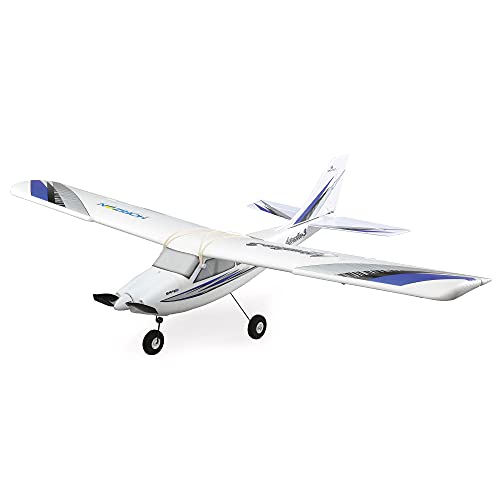
EASY TO FLY RC AIRPLANE: The best and most convenient traditional trainer for first-time pilots and experienced pilots who teach others to fly

The easiest to buy, assemble and fly flat foamy model yet – capable of slow cruising, sport flying, basic and all-out 3D aerobatics
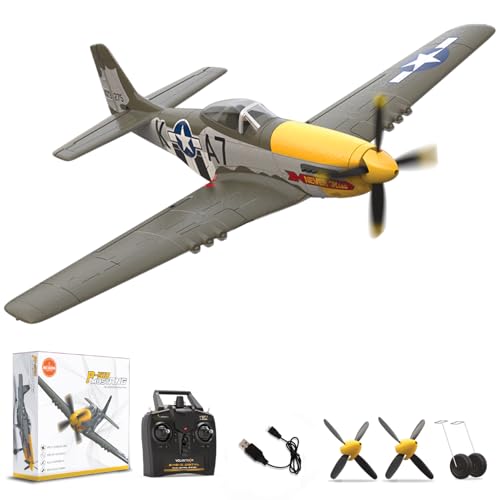
Perfect for All Skill Levels: Featuring the advanced Xpilot gyro stabilizer system and three levels of flight control assistance, this RC plane caters to both beginners and experts. Whether you're just starting out (with full assist for an easy, stable flight), progressing to intermediate skills (with partial assist for more control), or a seasoned pro (with full manual control for ultimate freedom), this plane ensures an exciting experience at every stage. Perfect for building confidence, mastering new skills, or showcasing your expertise from the start!
Consumables and Upgrades Frequency

Many RC enthusiasts often overlook the critical aspect of consumable replacements and upgrades, which play an essential role in maintaining peak performance and safety. Understanding replacement intervals helps in crafting effective maintenance strategies.
- Batteries typically need replacement every 1 to 3 years, depending on usage and storage.
- Servos and receivers require upgrades every 1-2 years, especially after crashes.
- Propellers often break and may need replacing after just a few flights.
- Structural components, like wooden spars, may require reinforcement every few years due to wear.
Flying frequency affects these intervals; more flights lead to quicker wear. Devoting time to consumables and upgrades not only enhances performance but also promotes a deeper bond within the RC community. Additionally, investing in adjustable heat settings can provide comfort and customization, similar to how careful maintenance enhances the longevity of RC planes.
Recommended Products

Unique and optimized airframe design improves low speed handling and slow speed performance, making it possible to learn to fly radio-controlled (RC) airplanes successfully with a jet
The best and most convenient traditional trainer for first-time pilots and experienced pilots who teach others to fly

Hidden and Miscellaneous Costs

While the excitement of flying an RC plane often captures enthusiasts’ attention, the hidden and miscellaneous costs associated with ownership can greatly impact budgets.
Recommended Products

Incredible deep-V styling and performance

Easy control: LEAMBE Airplane has a simple operation mode which only needs to press the switch and pull the stick to easily control the aerobatics of the aircraft. It can take off after you assemble the wheels, and it is also convenient to carry. Best outdoor games and toys for you

[Easy to Fly] Equipped with ultra stable Xpilot gyro stabilizer system, the over-grade powerful motor system provides easy control for doing aerobatic flying. This RC plane is ideal for beginners or adults.
Hidden Expenses
– Maintenance Supplies: Costs for adhesives, lubricants, and replacement hardware can add up to $50-$100 annually.
Replacement Parts
– Regular Need: Propellers often need replacing after every 10-15 flights, costing $8-$15 each.
Regulatory Fees
– Insurance and Memberships: Liability insurance and local club fees can total $135-$285 yearly.
Maintenance Challenges
– Deferred Repairs: Ignoring small issues can lead to costly repairs later, impacting reliability and enjoyment. Additionally, consistent maintenance is crucial for ensuring the longevity and performance of your RC plane.
Over time, these various costs accumulate, reshaping the overall financial commitment required for maintaining an RC plane and enhancing the flying experience.
Comparative Cost Context to Other Hobbies

Underneath the thrill of flying RC planes lies the reality of their costs, particularly when compared to other hobbies. The initial investment for a starter kit averages around $400, which is substantial compared to less demanding pastimes like casual fishing. While some inexpensive RTF models are available under $100, higher-end options can run $2,000 to $5,000, paralleling the costs of competitive flying setups.
Ongoing expenses for fuel and equipment maintenance can easily surpass those of more stable hobbies, like reading. Additionally, RC aviation regulations often require club memberships for field use, adding to the overall investment. Ultimately, while RC flying involves notable costs, it remains more affordable than owning a full-sized aircraft or horses, making it an enticing option for enthusiasts. Investing in targeted muscle therapy is another way to relieve stress after a long day of flying.
Recommended Products

IDEAL FOR ALL SKILL LEVELS: Whether you're a beginner or an expert, this rc plane is designed to cater to all. Equipped with the Xpilot gyro stabilizer system and 3 level flight control assist (Beginner, Intermediate, Expert), it ensures that beginners can learn at their own pace while experts can showcase their skills effortlessly.
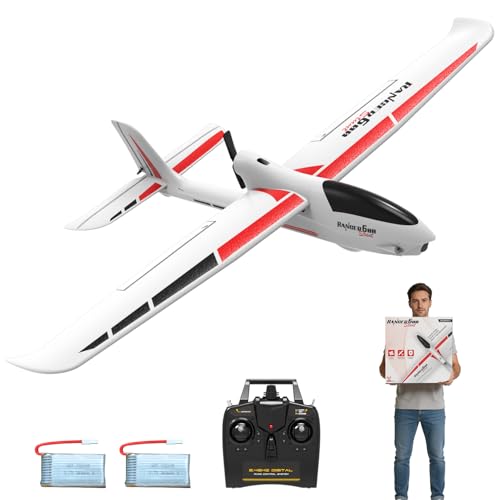
RC PLANE EASY TO CONTROL: Xpilot stabilizer makes the rc glider be able to fly stably even in breeze. Powerful upgrade motor system allows easy controlling to do aerobatic flying. It's a great remote control plane for adults.

1.Advanced 4-Channel Remote Control Airplanes: Ranger600 RC glider plane features a 4-channel remote that allows for precise control over ascents, descents, turns, and aerobatic maneuvers, catering to the needs of adult enthusiasts seeking expert-level control.
Insights From Business and Professional Repair
Insights from the business and professional repair sector provide a fascinating glimpse into the intricacies involved in maintaining RC planes.
Repair Complexity
RC plane repairs vary considerably based on model complexity. For example, advanced turbine engines necessitate meticulous servicing, with parts costs alone exceeding $360, not including labor. The higher the repair complexity, the greater the expense.
Parts Sourcing
Equipped with knowledge about parts sourcing, repair professionals must stock a variety of components. From servos to specialized airframe elements, having the right parts on hand decreases downtime. Economic viability hinges on balancing these repair costs with labor, meeting the demand for efficient service while transforming technical expertise into customer satisfaction. Additionally, understanding the benefits of light therapy can provide insights into how mood improvements may enhance focus and decision-making during repairs.
This detailed focus on both complexity and sourcing highlights the professional landscape of RC plane maintenance.
Strategies for Managing RC Plane Costs
How can RC plane enthusiasts effectively manage the costs associated with their hobby?
Budgeting Initial Setup Costs
Start by budgeting for essential components. Beyond the airframe, account for the motor, ESC, servos, batteries, and transmitter. Investing in quality, compatible components from the beginning avoids frequent replacements.
Repair Strategies
Utilize repair strategies like fixing damaged parts instead of full replacements. This approach requires skill but greatly decreases long-term costs.
Routine Maintenance
Engage in regular maintenance such as inspections and routine cleaning to extend the lifespan of components.
Utilizing Budget Tools
Leverage budgeting tools to track expenses and plan for unexpected costs. Building relationships within the hobby community often uncovers discounts and supplies. By integrating these strategies, enthusiasts can enjoy their hobby while keeping costs manageable.
Recommended Products

Ideal for every skill level: This RC plane is perfect for beginners, intermediate flyers, and seasoned pros alike. With three levels of flight control assistance, you can start off easy and stable, gain more control as you progress, and eventually enjoy full manual control for ultimate freedom in the sky. Build confidence, master new skills, and show off your flying expertise with this versatile and exciting aircraft.

The most affordable and convenient scale replica of the STOL (Short Take-Off and Landing) capable cargo and passenger carrying utility aircraft

Scale replica of the agricultural “crop dusting” utility aircraft including molded-in panel lines, rivets and more
Frequently Asked Questions
How Do Weather Conditions Affect Maintenance Costs for RC Planes?
Weather conditions markedly impact maintenance costs for RC planes, as increased weather wear correlates with flying frequency. Harsh environments necessitate more frequent repairs, inspections, and protective measures, ultimately driving up overall maintenance expenses for enthusiasts.
Are There Any Tax Deductions Related to RC Plane Expenses?
Tax regulations stipulate that RC plane expenses may be deductible if used for business purposes, with deduction eligibility hinging on ordinary necessity, documentation, and distinguishing between personal and professional use for accurate reporting and compliance.
Can Insurance Help With RC Plane Maintenance Costs?
Insurance policies can considerably assist with RC plane maintenance costs by providing maintenance coverage for unexpected repairs. This financial support can alleviate burdens, allowing hobbyists to focus on enjoying their pastime without constant worry over expenses.
What Are Common Mistakes That Increase Maintenance Expenses?
Neglecting regular inspections leads to a 60% increase in repair costs. Frequent crashes and poor storage practices dramatically elevate expenses by causing hidden damage, corrosion, and component failures, making responsible handling essential for community success.
How Do Hobby Clubs Impact RC Plane Maintenance Costs?
Hobby clubs greatly impact RC plane maintenance costs by promoting hobby networking and providing access to shared club resources. This collaboration leads to reduced expenses, expert guidance, and a supportive environment encouraging responsible maintenance and longevity of planes.


